Newsletter Subscribe
Enter your email address below and subscribe to our newsletter

Enter your email address below and subscribe to our newsletter
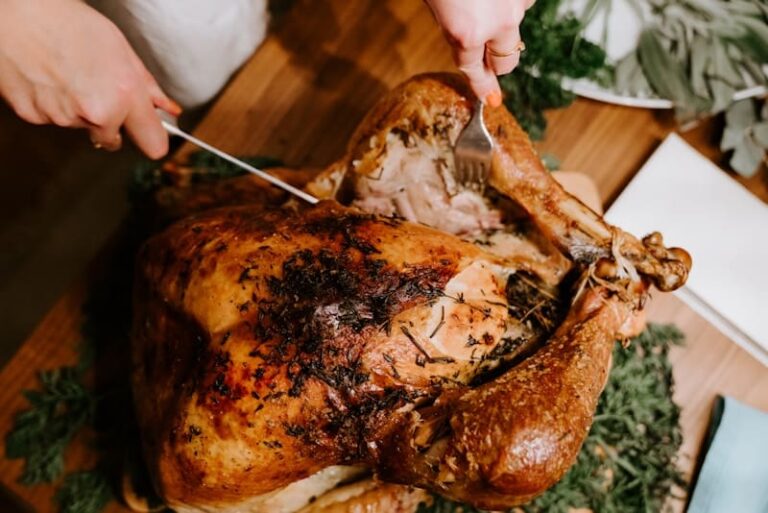
Thanksgiving dinner costs are down 2-3% this year, but you can save even more with some smart shopping strategies. The average feast for 10 now rings up around $58, or about $5.80 a person.
But honestly, a lot of folks don’t realize how much cash they’re leaving behind by skipping price checks and sticking to the same old brands. Store brands alone can save families up to $17 compared to name-brand items for the whole meal.
Prices bounce all over the place depending on the grocery store. Smart shoppers hit a couple different stores before buying, especially since turkey prices can swing by several bucks a pound.
Planning ahead is everything. If you know where to look, you’ll score the best deals—and maybe even brag about it at the table.
Turkey supply drives prices all season long. Most whole birds sell in the two weeks before Thanksgiving, so stores order them months in advance.
Frozen turkeys bought early usually cost less than those fresh birds you grab last minute. Want to save more? Scan the bottom shelves, compare package sizes, and don’t ignore those store meal deals—they can slash costs without sacrificing taste.
If you’re aiming to cut Thanksgiving meal costs, start by planning ahead and checking prices at different stores. Store brands can shave 20-30% off your bill for the basics.
Set a clear budget so you don’t blow your grocery money. Most families spend $50-80 for a Thanksgiving dinner for eight.
Write down every single ingredient you’ll need. Don’t forget the turkey, sides, desserts, and drinks—those little things add up.
Essential Budget Categories:
Simpler recipes = more money in your pocket. Three or four sides beat seven or eight expensive ones, unless you love leftovers.
Build your menu around what’s on sale at local stores. Check those weekly ads before you finalize your plan.
Many grocery stores throw together meal bundles that cost less than buying everything piece by piece. These deals usually include the turkey and all the basics.
Walmart often sells meal bundles for 8-10 people under $50. Aldi sometimes beats that with even lower prices.
Start shopping for canned goods, spices, and frozen stuff a couple weeks ahead. Those go on sale early, so why not get a jump on things?
Don’t forget the store apps—they’re loaded with digital coupons. Some retailers even let you stack manufacturer coupons with store ones for double the savings.
When turkeys go on sale in early November, grab one and freeze it until Thanksgiving week. No shame in being prepared!
Price differences between stores can stack up to $20-30 for the whole meal. Aldi usually wins for lowest prices on the basics.
Store brand items are typically 20-30% cheaper than national brands. Use them for stuffing, gravy, and dinner rolls for easy savings.
Check at least three stores for turkey prices. Some places even hand out free turkeys with a big enough purchase.
Price Comparison Tips:
Here’s a weird twist: fresh cranberries and pumpkin pies sometimes cost less with name brands than generics. So, always double-check.
Smart shopping can cut Thanksgiving costs by 20-30%. Major retailers run special deals, early birds get better selection, and loyalty programs unlock extra discounts.
Walmart goes hard on Thanksgiving pricing. Complete meal packages usually stay under $7 per person, and turkeys are often less than $1 a pound.
Aldi is the go-to for rock-bottom prices on the staples. Their store brands are 40-50% less than name brands, and a full Aldi dinner for eight often costs just $30-40.
Target keeps it competitive with frequent promos. Their Good & Gather brand saves shoppers 25-35%, and Circle offers add even more discounts.
Many stores run free turkey promotions when you spend $100 or more. Albertsons, H-E-B, and Hy-Vee all run these deals every November.
Giant sometimes sells frozen turkeys for 37 cents a pound with a $25 minimum purchase. That’s a wild 60-70% savings.
Turkey prices actually drop as Thanksgiving gets closer. Last year, prices fell from $1.18 per pound in late October to 95 cents in early November.
But if you wait too long, you’ll find slim pickings. Free turkey deals disappear fast, and rain checks for these promos are rare.
Early shoppers snag the best deals on staples. Stores stock up in early November and usually drop prices even more.
Frozen turkeys, veggies, and desserts can hang out in your freezer for weeks. That means you can shop the big sales without worrying about freshness.
Planning ahead helps you avoid those last-minute impulse buys. People who plan meals and check circulars spend 15-20% less than the “wing it” crowd.
Store loyalty cards unlock member-only pricing. Safeway and Stop & Shop even throw in gas rewards. These programs cost nothing and save you cash right at checkout.
Digital apps like Ibotta hand out cash rebates. New users can score up to $21.55 back on Thanksgiving items at participating stores. Flipp is great for comparing prices, too.
Credit card rewards help maximize savings. The American Express Blue Cash Preferred card gives 6% back on supermarket spending up to $6,000 a year. That’s $360 back if you max it out—pretty sweet.
Store brands through loyalty programs offer the biggest discounts. Costco and Trader Joe’s get rave reviews for their private labels, which are 20-25% cheaper than name brands.
Double and triple coupon days can really stack up the savings. Stop & Shop doubles manufacturer coupons daily, and Bi-Lo doubles anything under 60 cents every day.
Store brand Thanksgiving groceries typically cost $17 less than name brands for a meal for 10. But sometimes, name brands sneak in cheaper than generics—so you really have to compare.
A full Thanksgiving dinner for 10 runs about $90 with name brands. Switch to store brands and you’re looking at $73.
Key Price Differences:
Store brands usually cost 15-30% less than name brands, but that’s not a hard rule for every Thanksgiving item.
Some categories barely save you anything, while others can really cut costs across your whole list.
Store brands are perfect for dinner rolls, salad mixes, and stuffing. You get the biggest savings and most people can’t tell the difference.
Best Store Brand Buys:
Stick with Name Brands:
Frozen veggies for casseroles and sweet potatoes are great as store brands. Canned cranberry sauce is another easy way to save.
Flour, sugar, and spices for mashed potatoes or homemade dishes are almost always cheaper as store brands.
Quality differences between brands really depend on the product. Some store brands taste just as good as the big names. Others… well, sometimes you notice.
Minimal Quality Differences:
Potential Quality Gaps:
Store brands often come from the same factories as name brands. The main differences? Packaging and marketing, mostly.
Try store brand versions of your favorites before the big day. It’s a good way to avoid any last-minute disappointments.
Price gaps change week to week. Check both options and pick what’s best for your wallet—don’t just assume the generic is always cheaper.
Turkey prices climbed this year thanks to lower supply, but deals are still out there if you know where to look. The savviest buyers hunt for big birds at better prices and aren’t afraid to try alternatives.
Large turkeys usually give you more bang for your buck per pound. Most stores stock birds from 12 to 24 pounds during Thanksgiving season.
Best Places to Shop for Large Turkeys:
Warehouse stores often sell frozen turkeys for $0.89 to $1.29 a pound. Local farms might charge a bit more, but you’ll get a fresher bird.
Many grocery chains offer free turkeys with purchases over $100 or $150. WinCo is running a deal right now: free turkey with $125 spent.
Compare prices at a few stores. The difference can be as much as $0.30 to $0.60 per pound—it adds up fast!
Turkey prices jumped 2% to 8% this year compared to 2024. Disease outbreaks hit turkey farms across the country and made supplies tighter.
Money-Saving Strategies:
Store-brand turkeys typically run 15% to 25% less than big-name birds. Honestly, most folks won’t notice a quality difference once it’s on the table.
Food distribution programs and local churches sometimes hand out free turkeys to neighbors. That can make Thanksgiving dinner doable for families who need a break.
Swapping out the classic bird can really slash your holiday costs. Plenty of options work for smaller gatherings or if you’re watching your wallet.
Cost-Effective Turkey Options:
A bone-in turkey breast feeds 4 to 6 people and goes for $3 to $5 per pound. You skip paying for parts nobody wants.
Warehouse stores sell pre-cooked rotisserie turkeys that feed 8 to 10 for about $15 to $20. No oven wrestling required.
Some folks ditch turkey altogether and serve chicken or ham. Big roasting chickens cost $1 to $2 per pound and cook up fast—tempting, right?
Smart shoppers can shave real dollars off Thanksgiving meals by knowing a few tricks and keeping an eye on the market. Store brands usually save $17 over name brands for a meal for 10, and turkey prices actually dropped 5.6% from last year.
Spread out your shopping over a few weeks to scoop up sales and dodge a monster grocery bill. Planning ahead means you can stack coupons and hunt for better deals.
Check prices online before heading out. Most grocery chains post their sales on their websites, which makes it easy to compare.
Larger packages usually cost less per unit. Look low on the shelves—bigger, cheaper options tend to hide down there.
Canned or frozen veggies often beat fresh ones on price. With the right seasoning, they taste just as good in most recipes.
Store brands can save you about $17 on a full Thanksgiving spread for 10. That’s a noticeable chunk off your total bill.
But, it pays to double-check prices—sometimes store brands aren’t cheaper, and it depends on the store and the product.
Most store brand items taste almost identical to name brands but cost way less. That’s a win for budget-conscious families.
Big grocery chains run Thanksgiving meal specials. Aldi, for example, offers a dinner for 10 at $47 with a Butterball turkey and all the sides.
ShopRite has meal packages for 10 people under $8 per person. These bundles come with a fully cooked turkey and classic sides.
Some stores and charities give away free turkeys during the season. It’s worth asking your local grocery store about these deals.
Target and Walmart both roll out Thanksgiving dinner packages with big savings compared to buying everything separately.
Surprisingly, turkey prices dropped this year. A 16-pound turkey averages $25.67, or about $1.60 per pound.
That’s down 5.6% from last year. Lower prices helped trim Thanksgiving meal costs for everyone.
Right now, turkey supply looks solid, and prices reflect a pretty normal market—no panic buying needed.
Comparing prices between stores can uncover some wild savings. Each store runs different sales every week.
It only takes a few minutes online to check, but you can save a bundle. Most stores advertise their specials on their websites.
Some stores are just better for certain items. Comparing lets you cherry-pick the best deals for your list.
Store loyalty programs and coupons can stack up with sale prices for extra savings. These perks really depend on the retailer, so it pays to look around.
Processed foods like dinner rolls and stuffing have jumped over 8%—blame labor costs and that sneaky non-food inflation. If you wait until the last minute, you’ll probably pay even more for these.
But here’s a surprise: fresh veggies and milk are actually cheaper than last year. You might even score a better deal if you shop closer to Thanksgiving.
Honestly, shopping early isn’t just about dodging crowds—it’s the best way to beat those price hikes. Stores roll out deals weeks ahead, so you can snag stuff bit by bit and avoid a wallet meltdown.
Soft drink prices are all over the place. Two-liter bottles dropped 10.8%, but those 12-ounce cans? Up 1.7%. It’s wild how much the package size can mess with your budget as the holiday creeps up.