Newsletter Subscribe
Enter your email address below and subscribe to our newsletter

Enter your email address below and subscribe to our newsletter
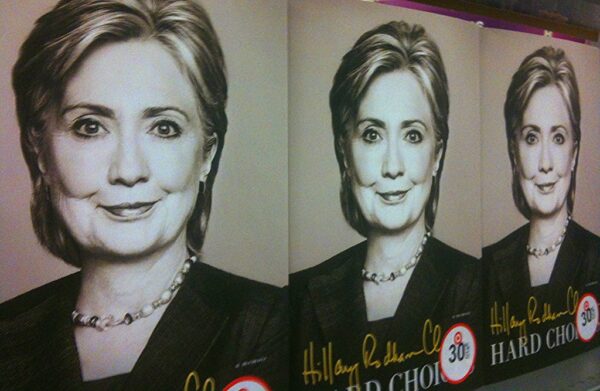
New intelligence documents have exposed claims about Hillary Clinton’s mental and physical health during her 2016 presidential campaign. Declassified reports reveal that Russian intelligence obtained information suggesting Hillary Clinton suffered from psychological problems and was using heavy tranquilizers, details that were allegedly kept secret from her own campaign advisors.
The newly released House Intelligence Committee report indicates that Russia’s intelligence service accessed Democratic National Committee communications about Hillary Clinton’s health concerns. According to the documents, Russian operatives discovered information about her alleged emotional instability and physical ailments, including heart disease and breathing problems.
What makes this revelation particularly striking is that Russia chose not to leak this damaging information during the 2016 election, despite later accusations that Moscow favored Donald Trump. The intelligence was declassified by Director of National Intelligence Tulsi Gabbard, raising new questions about what foreign powers knew about American political candidates.
Recently declassified documents from a 2020 House Intelligence Committee review revealed that Russian intelligence services possessed sensitive information about Hillary Clinton’s alleged mental and physical health issues during the 2016 presidential campaign. Director of National Intelligence Tulsi Gabbard released these documents in July 2025, claiming they expose how the Obama administration manipulated intelligence assessments.

The declassified report indicates that Russia’s Foreign Intelligence Service (SVR) obtained internal Democratic National Committee communications containing detailed health information about Clinton. These materials allegedly came from DNC emails and communications that Russian hackers accessed during the 2016 campaign.
Russian intelligence reportedly had access to secret DNC information describing Hillary Clinton’s condition in clinical terms. The documents suggest these communications originated from within Democratic Party leadership circles.
The intelligence materials were part of a broader collection of compromising information that Russian operatives gathered on various American political figures. The SVR’s collection methods reportedly included cyber operations targeting Democratic Party infrastructure and communications systems.
According to the declassified documents, Russian intelligence described Clinton as experiencing several serious health conditions during her 2016 presidential run. The alleged mental health issues included what the documents termed “psycho-emotional problems” with reports of uncontrolled mood swings.
The physical health claims were equally serious:
The report claims Clinton was taking “heavy tranquilizers” daily to manage her psychological state. Russian intelligence allegedly documented behavioral patterns described as alternating between aggression, anger, and inappropriate cheerfulness.
These health assessments came from what the documents describe as internal Democratic Party medical evaluations. The materials suggested Hillary Clinton’s condition was deteriorating during the campaign period.
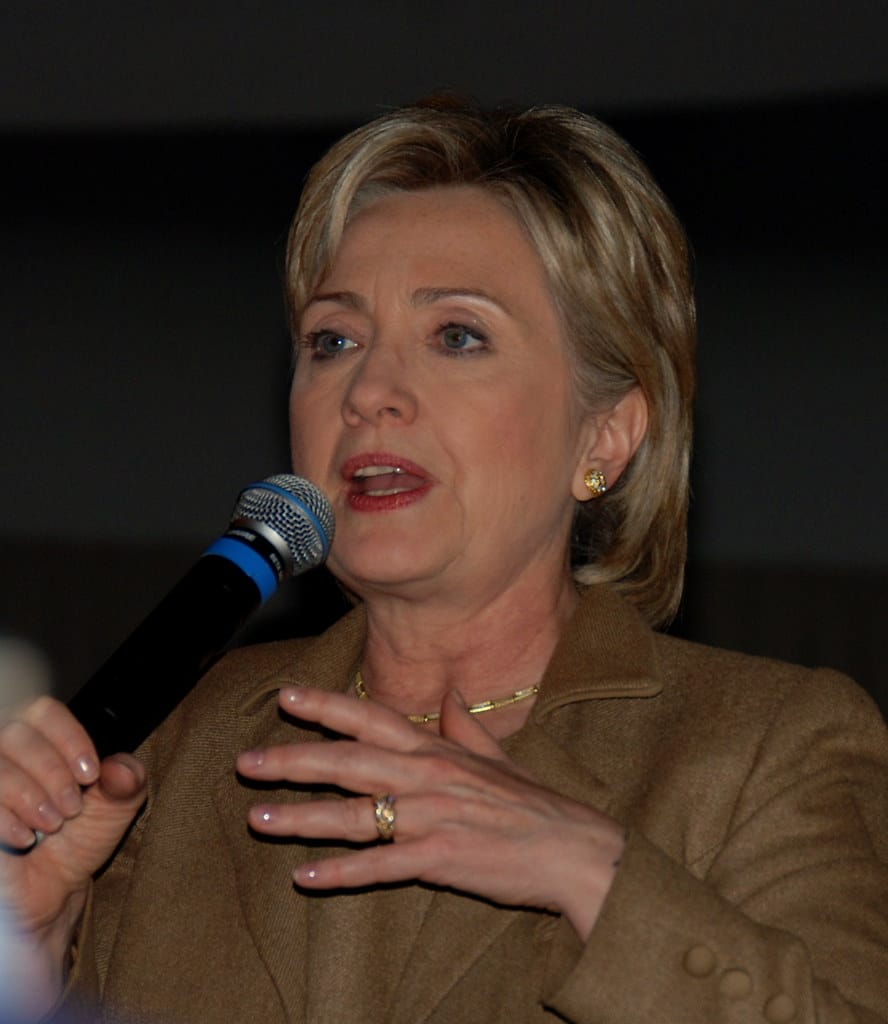
The declassified report alleges that Barack Obama and Democratic Party leaders were privately concerned about Clinton’s health status. Intelligence officials claim Obama’s team found Clinton’s health “extraordinarily alarming” and worried about potential negative impacts on election prospects.
According to the documents, Democratic leadership maintained strict secrecy around Clinton’s health information. Even close advisors were reportedly not fully informed about her medical conditions.
The intelligence assessment suggests Obama and party officials decided to suppress this information while expecting a Clinton victory. This decision allegedly involved high-level coordination between the White House, Democratic National Committee, and Clinton campaign leadership.
CIA Director John Brennan and other intelligence community leaders were reportedly aware of Russian knowledge about Hillary Clinton’s health. The documents claim these officials chose not to include this information in public intelligence assessments about Russian election interference.
Vladimir Putin and Russian leadership made calculated decisions about how to use the compromising health information they possessed. The declassified materials suggest Putin chose not to leak the damaging material before the 2016 election because Moscow expected Clinton to win.
Russian strategy reportedly involved waiting until after Clinton’s presumed victory to release the health information. Putin’s intelligence services planned to use this material to undermine Clinton’s presidency from the beginning of her term.
The Russian Foreign Intelligence Service maintained detailed files on Hillary Clinton’s medical conditions throughout the 2016 campaign period. These materials were reportedly updated regularly as new information became available through cyber operations and human intelligence sources.
The strategic decision to withhold the information demonstrates Russian intelligence’s long-term planning for post-election influence operations. Putin’s team apparently viewed Clinton’s health vulnerabilities as more valuable for destabilizing a sitting president than for affecting election outcomes.
The Russian intelligence claims about Hillary Clinton’s health created major political fallout when declassified in 2025, reigniting debates about 2016 campaign transparency and intelligence community practices. These revelations sparked responses from former presidents and renewed scrutiny of campaign communications.
During the 2016 presidential election, Hillary Clinton’s health became a frequent topic of discussion. Trump and his supporters regularly questioned her fitness for office.
Several public incidents fueled these concerns. Clinton collapsed at a 9/11 memorial event in September 2016. Her campaign later revealed she had pneumonia.
The BBC reported that health theories moved from fringe social media posts to mainstream political talking points. Conservative media outlets frequently covered potential health issues.
Key 2016 Health Incidents:
Trump made direct references to Clinton’s “stamina” during debates. He suggested she lacked the physical strength needed for the presidency.
Media coverage varied widely between outlets. Some dismissed health concerns as conspiracy theories. Others gave them serious attention.
Obama strongly rejected the recent declassified claims about Clinton’s health. His office called the allegations “ridiculous” and a weak attempt at distraction.
The former president’s statement emphasized that nothing in the documents changes accepted conclusions about Russian interference. Obama pointed to a bipartisan 2020 Senate Intelligence Committee report that confirmed Russian influence efforts.
Trump embraced the newly released information. He posted a video on social media showing Obama in a prison jumpsuit. The current president has long claimed the Russia investigation was a “witch hunt” against him.
Political Reactions:
Clinton herself has not publicly responded to the recent declassified documents. Her 2016 campaign consistently denied serious health problems during the election.
Democratic Party leaders largely stayed silent on the specific health claims. Most focused on defending the broader Russia investigation findings.
CIA Director John Brennan faced new criticism from the declassified report. Director of National Intelligence Tulsi Gabbard accused Brennan of mischaracterizing intelligence and relying on dubious sources.
The Intelligence Community Assessment from 2017 concluded Russia preferred Trump over Clinton. Gabbard claimed this assessment was deliberately manipulated by Obama administration officials.
Alleged Intelligence Issues:
The Democratic National Committee communications allegedly contained detailed health information about Clinton. Russian operatives reportedly accessed these internal party discussions about her condition.
Brennan has not responded to the recent accusations about his role. The former CIA director previously defended the intelligence community’s Russia findings.
The declassified documents suggest Democratic Party leaders knew about Clinton’s health issues. They allegedly kept this information in “strictest secrecy” from advisors and the public.
Critics argue the timing of these revelations serves political purposes. They point out the five-year statute of limitations for federal conspiracy charges has likely expired.
Recent declassified documents have sparked public questions about Hillary Clinton’s health during her 2016 presidential campaign. These claims involve allegations about tranquilizer use and physical conditions that Russian intelligence reportedly obtained.
Director of National Intelligence Tulsi Gabbard released declassified documents in July 2025 that contain allegations about Clinton’s health during the 2016 campaign. The documents suggest Russian intelligence obtained information about Clinton’s alleged use of heavy tranquilizers and various physical conditions.
The report claims Russian sources had access to Democratic National Committee communications. These communications allegedly described Clinton as having daily tranquilizer use and experiencing emotional instability.
The documents also list several physical health conditions. These include Type 2 diabetes, heart disease, blood clots, and lung problems.
The declassified report contains allegations about Clinton’s mental state during the 2016 campaign. Russian intelligence claimed Clinton suffered from “psycho-emotional problems” including uncontrolled anger and mood swings.
The documents suggest Democratic Party leaders were concerned about these issues. The report claims Obama and party officials found Clinton’s condition “extraordinarily alarming.”
These allegations come from Russian intelligence sources accessed through hacked Democratic communications. The accuracy and reliability of these claims remain disputed.
Clinton’s official medical records from 2015 showed a different picture than the recent allegations. Her doctor’s examination in March 2015 described her as “a healthy-appearing female” who exercises regularly.
During the 2016 campaign, Clinton did experience some publicized health incidents. She was diagnosed with pneumonia in September 2016, which led to her stumbling at a 9/11 memorial event.
The newly released documents contain unverified claims about more serious conditions. These include heart disease, diabetes, and lung problems that were not part of her official medical records.
Medical professionals have not independently verified the claims in the declassified documents. The allegations about tranquilizer use and multiple chronic conditions come from intelligence reports rather than medical examinations.
Clinton’s personal physician, Dr. Lisa Bardack, provided official health assessments during the campaign. These reports did not mention the conditions alleged in the Russian intelligence documents.
Independent medical experts have not had access to examine Clinton or review comprehensive medical records. The recent claims remain unsubstantiated by verified medical documentation.
Clinton has not issued a direct public response to the specific health allegations contained in the recently declassified documents. She has not addressed claims about tranquilizer use or the various physical conditions mentioned in the report.
During the 2016 campaign, Clinton did respond to health questions that arose from public incidents. She provided medical information through her physician after the pneumonia diagnosis became public.
The recent allegations emerged in 2025, nearly nine years after the campaign. Clinton has maintained a relatively low public profile since leaving politics.
Clinton’s team has not released specific statements addressing the health allegations in the declassified documents. Her representatives have not commented on claims about tranquilizer use or chronic medical conditions.
During the 2016 campaign, Clinton’s team did provide medical information when health questions arose. They released physician statements and medical records in response to public concerns about specific incidents.
Obama’s office has dismissed the entire matter as “bizarre allegations” and called them “ridiculous”. His statement characterized the declassified documents as a political distraction rather than legitimate health concerns.