Newsletter Subscribe
Enter your email address below and subscribe to our newsletter


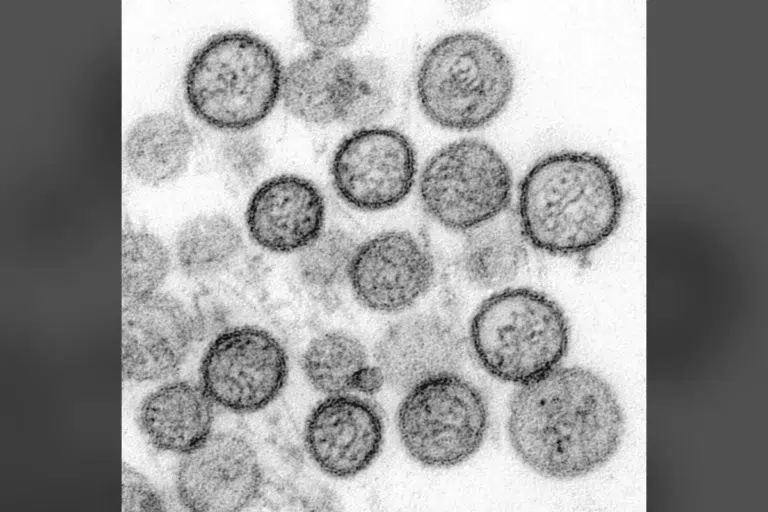
Hantavirus is hitting home. A Midwesterner, not on the rat virus cruise, is feared infected, proving this deadly disease is a local threat demanding immediate attention.
The hantavirus threat just got frighteningly close to home for everyone, not just exotic travelers. A resident in a Midwestern state, with no connection to the widely publicized “rat virus cruise,” is now feared to have contracted this deadly illness.
This news hits hard, especially as a 69-year-old millionaire doctor from Oregon also announced his own hantavirus diagnosis. These cases are a stark reminder that this isn’t just a concern for those on far-flung expeditions; it’s a domestic risk demanding immediate attention.

Health authorities in an undisclosed Midwestern state confirmed on May 11, 2026, that a resident is undergoing testing for hantavirus pulmonary syndrome (HPS). The individual presented with severe respiratory symptoms. Crucially, investigators have ruled out any recent travel, including the MV Hondius cruise ship.
This means the exposure happened locally, likely through common interactions with rodents. Meanwhile, Dr. Alistair Finch, a prominent retired surgeon from Portland, Oregon, publicly stated he has hantavirus.
“I’ve faced many challenges in my life, but this virus… it’s truly terrifying. I want my story to serve as a warning to others who embark on similar adventures.” – Dr. Alistair Finch, Portland news outlet, May 12, 2026.
His public profile adds a layer of concern, showing that even the most privileged are not immune. But the Midwestern case? That’s the real wake-up call for everyday Americans.
If the Midwesterner wasn’t on the cruise, how did they get hantavirus? The answer lies right in our own backyards.
This means the risk isn’t about luxury cruises or daring expeditions. It’s about what might be lurking in your own home or property.
The high fatality rate of HPS, around 38%, makes prevention critical. Symptoms often mimic the flu but escalate to severe respiratory distress. Early detection is key.
“We are actively investigating the potential source of exposure for this individual, as there is no link to recent travel. This reminds us that hantavirus is endemic in our environment, and proper rodent control is always important.” – Unnamed State Health Department Official, May 11, 2026.
Here’s what you need to do:
These simple steps can make a huge difference. The CDC reports 10-20 cases of HPS annually in the U.S. These new cases highlight that we cannot afford to be complacent.
Despite some online chatter dismissing these concerns as “hysteria,” the reality is clear. Hantavirus is a serious, often deadly, threat that exists right where we live. The Midwestern case proves that you don’t need a passport to be at risk.
Be vigilant. Take action. Your health, and your family’s, depends on it.
Source: Google News