Newsletter Subscribe
Enter your email address below and subscribe to our newsletter


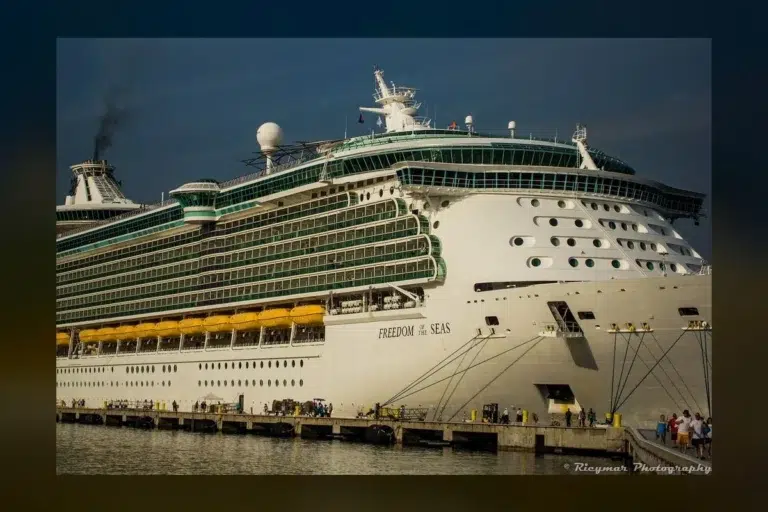
Forget paradise. Haiti is a living nightmare, and the State Department's "Do Not Travel" warning reveals why you must avoid this terror-ridden nation now.
Forget the postcard-perfect Caribbean. Haiti isn’t a dream destination; it’s a living nightmare, and it’s time we stopped pretending otherwise. Americans are being told to stay away, and for good reason: the nation is riddled with terror, crime, and a humanitarian crisis of staggering proportions.
The U.S. State Department just reinforced its stark Level 4 “Do Not Travel” advisory for Haiti. This isn’t just a routine warning; it’s a siren call highlighting an escalating crisis of rampant kidnapping, unchecked crime, and civil unrest that has pushed a nation to the very brink of collapse. For too long, we’ve averted our gaze. No more.

The glossy brochures lie. Haiti, a nation once synonymous with vibrant culture and breathtaking landscapes, has been transformed into a war zone. Armed gangs, not a legitimate government, now control vast swathes of the capital, Port-au-Prince, turning daily life into a brutal struggle for survival.
Reports from the United Nations paint a chilling picture: thousands of kidnappings occur every year, with both locals and foreigners targeted indiscriminately. This isn’t just a statistic; it’s a daily terror that stalks families, shatters communities, and leaves an indelible mark of fear.
Major cruise lines, including Royal Caribbean, have already made the painful but necessary decision to pull out. Their private destination, Labadee, a fenced-in sliver of paradise on Haiti’s northern coast, cannot escape the suffocating chaos surrounding it. The illusion of safety crumbles when the reality outside its gates is pure anarchy.
“The Level 4 ‘Do Not Travel’ advisory for Haiti remains in effect. U.S. citizens should not travel to Haiti due to kidnapping, crime, and civil unrest. The U.S. government’s ability to provide emergency services to U.S. citizens in Haiti is severely limited.”
— U.S. State Department Spokesperson
Cruise ships reroute, finding safer harbors and protecting their passengers. This decision is understandable, even commendable, from a business perspective.
But it leaves Haiti’s people more isolated, more forgotten, and more vulnerable than ever before. It’s a stark reminder that while we can reroute our vacations, we cannot reroute our moral compass.
The real question isn’t just about travel warnings; it’s about the international community’s egregious inaction. Haiti is quite literally in America’s backyard. So why, in the face of such profound human suffering, is so little being done to stabilize it?
The answer is a damning indictment of global priorities – and frankly, it’s infuriating. Are we truly so jaded by past failures that we’re willing to watch a nation burn?
While a trickle of humanitarian aid might arrive, it barely scratches the surface. The root causes of the violence fester, the suffering deepens, and the world looks away.
As with every crisis, it is women who bear the heaviest burden. Haiti’s economy, already shattered, boasts one of the lowest GDPs per capita in the Western Hemisphere.
Tourism, however small, offered a crucial lifeline for countless women who ran small businesses, sold goods to visitors, or worked in informal service jobs. With tourism gone, these livelihoods have vanished, plunging families into deeper destitution.
This advisory isn’t just about canceled vacations; it’s about mothers losing their ability to feed their children, about grandmothers struggling to find safe shelter, and about young women facing increased vulnerability to exploitation and violence in a country where basic protections have utterly crumbled. When a society breaks down, the safety nets for women are always the first to disappear.
“These travel advisories, while understandable, highlight the desperate need for international intervention and support for the Haitian people. Our country is beautiful, but our people are suffering. We need peace, not just warnings.”
— Dr. Emmanuela Douyon, Haitian Human Rights Activist
Her words cut deep, a raw plea that demands our attention. They remind us that behind every stark warning are real people – resilient, courageous people – fighting for peace, for dignity, and for the sheer right to survive.
Over 5.5 million Haitians are in desperate need of humanitarian assistance. Over 360,000 people have been violently displaced from their homes, their lives shattered, their futures uncertain. These are not just numbers; they are individual tragedies, collective heartbreak, and a searing indictment of global indifference.
The very idea of Haiti as a “stunning Caribbean cruise destination” is a cruel, outdated joke. It exposes how profoundly out of touch we’ve become, how easily we sanitize suffering for the sake of a vacation itinerary.
While we debate where to reroute ships, Haiti burns, its people cry out, and the international community’s inaction becomes a silent, unforgivable betrayal.
We must look past the glossy ads and confront the raw desperation. Haiti needs more than just warnings; it needs a real, actionable plan, and it needs it now.
Our humanity demands it. Our conscience compels it. What will it take for the world to finally heed the cries from Haiti?
Photo: Photo by R9 Studios FL (Thanks to all the fans!!!) on Openverse (flickr) (https://www.flickr.com/photos/53477219@N02/6914956788)
Source: Google News