Newsletter Subscribe
Enter your email address below and subscribe to our newsletter


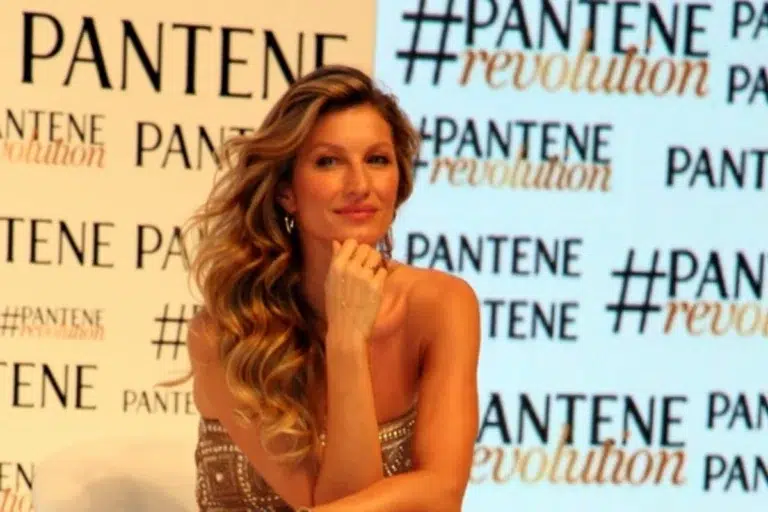
Gisele Bundchen was a modeling "failure" until three words changed everything. But was it self-acceptance or something far more cynical that fueled her rise?
Gisele Bundchen. Just the name hits different, doesn’t it? Her career is so stratospheric it’s practically mythical. Now 45, she’s not just a supermodel; she’s a titan, a brand unto herself.
She fundamentally reshaped what a supermodel could even be. So, when she recounts her early days as a “failure,” struggling in the cutthroat fashion world of the late ’90s, you have to pause. That word, “failure,” doesn’t exactly gel with the Gisele Bundchen we know today.
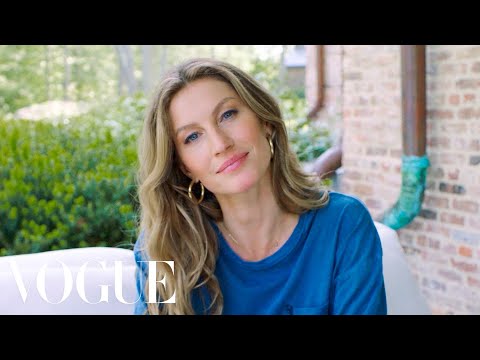
She arrived in New York City from Brazil, a raw talent trying to break into an industry fixated on “heroin chic.” This aesthetic favored a waifish, ethereal look. Gisele, with her athletic build and Brazilian energy, simply didn’t fit the mold.
Casting directors picked her apart with brutal honesty: “big nose,” “small eyes,” “too athletic.” She was repeatedly told her face was a problem. Imagine being a teenager, far from home, hearing your very essence is commercially unviable.
It’s enough to send anyone packing, back home, defeated.
The story, often repeated, goes that a booker, seeing her distress, offered three words: “Your nose gives you character.” Suddenly, a perceived flaw was reframed as a unique asset. This shifted her mindset, giving her confidence to own her individuality.
Soon after, she was cast by Alexander McQueen for his Spring/Summer 1998 “Golden Shower” show. He famously dubbed her “The Body,” a moniker that stuck like superglue. This signaled the dawn of a new era of “healthy sexy” models. A fairy tale, right?
On the surface, it’s a feel-good narrative about self-acceptance and resilience. A young woman overcomes rejection by embracing her unique qualities. There’s undeniable power in belief, especially in an industry thriving on insecurity.
But let’s be brutally real for a moment. This isn’t just about Gisele’s personal journey; it’s about the relentless, often cynical, machinery of the fashion world. It’s always hungry for the next big thing, ready to declare a new aesthetic to sell more clothes, perfume, and dreams.
Was it purely those three words that launched Gisele into superstardom? Or were those words merely psychological fuel for a rocket already primed for launch? The fashion industry is notoriously fickle; trends shift faster than a New York minute.
The “heroin chic” era, while dominant, was nearing its natural expiration date. The market wasn’t just ready for something new; it was desperate. It craved something fresh, vibrant, healthier—something that screamed power, not fragility.
Gisele Bundchen was that something new. She possessed an undeniable physical presence, a powerful, confident walk, and natural charisma. Groundbreaking designers like McQueen recognized she wasn’t just another pretty face; she was a force of nature.
The “character” in her nose, her strong jawline, her athletic physique—these weren’t just personal traits. They were the building blocks of the *next trend* the industry was ready to sell. The booker’s words were insightful, yes, but they also articulated what the market was about to embrace. They gave a compelling narrative to a seismic shift already bubbling under the surface, ready to explode.
Her story is compelling, absolutely, but let’s not mistake a well-timed narrative for the sole engine of success. The fashion industry didn’t just ‘discover’ Gisele; it *needed* her. She was the perfect answer to a question the industry was already asking itself, loudly.
Her narrative reinforces the idea that true success comes from within, from embracing your authentic self. While there’s undeniable truth to that, it conveniently overlooks the brutal, commercial realities of high fashion.
Agencies and casting directors aren’t just looking for confidence; they’re looking for marketability. They want the face and body that can sell millions in clothes, accessories, and perfume. Gisele had that in spades.
Her unique look, once deemed a flaw, became a defining asset precisely because the industry was ready for a new definition of beauty. It wasn’t just about her changing; it was about the entire industry changing around her. She was perfectly positioned to ride that wave.
Let’s be crystal clear: Gisele Bundchen’s longevity, impact, and sheer star power are undeniable. She’s not just a legend; she’s an institution.
But the idea that three simple words alone sparked her unparalleled success is a romanticized oversimplification, a convenient fable. The real truth is harsher, more pragmatic. The fashion world is a ravenous beast, constantly devouring and reinventing itself, always chasing the next big thing, the next big dollar.
Gisele had the raw material and undeniable talent. Those words might have given her the belief to push through. However, her explosion onto the scene was fundamentally driven by the industry’s insatiable hunger for a *new aesthetic* to champion.
The “character” in her nose became a virtue only when the market decided it was time to move on from the previous, emaciated ideal. It wasn’t just Gisele changing her mind; it was the industry changing its mind. She was perfectly positioned to capitalize on that monumental shift.
The power here wasn’t just in self-acceptance; it was in perfectly aligning with the next dominant trend. The gatekeepers of fashion were desperate to establish this new trend. She wasn’t just resilient; she was, crucially, *the right look at the right time* for a paradigm shift the industry actively sought. This shift would redefine beauty for a generation.
So, next time you hear the “three words” story, remember: sometimes, the market decides your “flaws” are actually your superpowers.
Photo: Wikimedia Commons (query: Gisele Bündchen)
Source: Google News