Newsletter Subscribe
Enter your email address below and subscribe to our newsletter

Enter your email address below and subscribe to our newsletter
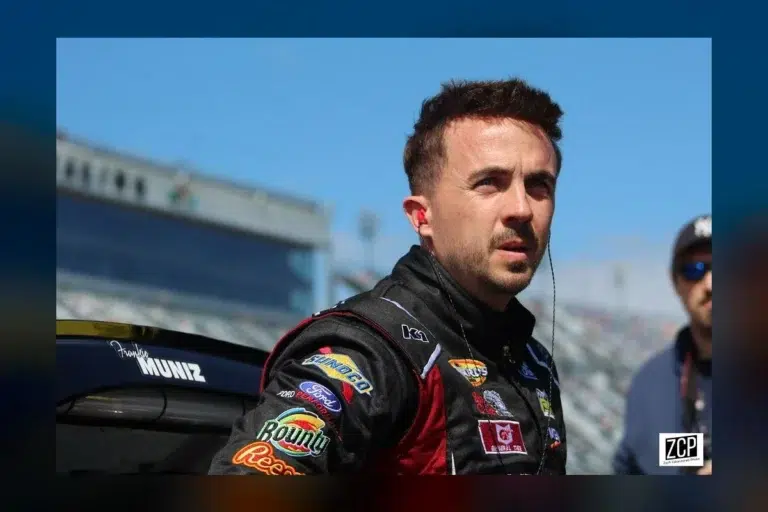
Frankie Muniz says Erik Per Sullivan "didn't want to do it anymore." But the truth about child stardom's dark side is far more unsettling.
The truth about why Erik Per Sullivan skipped the Malcolm in the Middle reunion isn’t some heartwarming tale of academic pursuit. It’s a brutal, unsettling reminder of child stardom’s dark side. The idea that he “turned down buckets of money” for a “normal life” isn’t just naive; it’s pure Hollywood gaslighting, and frankly, as someone deeply invested in evidence-based wellness, I’m beyond tired of this tired narrative.
Let’s cut through the public relations fluff that often accompanies these stories. Frankie Muniz and Bryan Cranston are, perhaps inadvertently, spinning a narrative of a well-adjusted kid choosing Harvard over Hollywood. But the internet, that ever-vigilant observer, sees through the shiny facade. Erik Per Sullivan has been a ghost since 2007, with his last reported public appearance in that year and his final on-screen credit in 2010. That’s almost two decades of total silence, a complete erasure from public life. Does that truly sound like a guy happily pursuing a master’s degree or simply opting for a quieter life? Or does it sound like someone who ran for the hills from an industry that all too often chews up children and spits them out, leaving them to pick up the pieces?

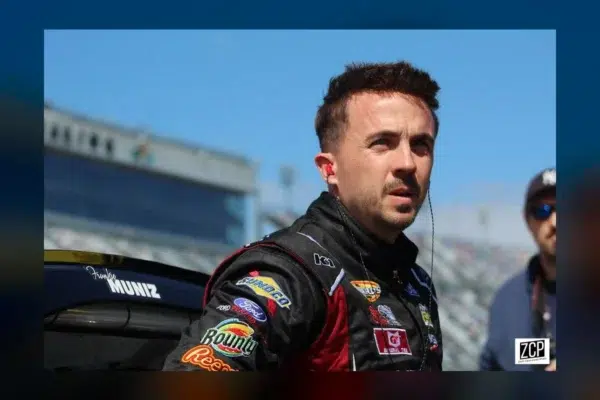
The official line, dutifully repeated by his former co-stars, is that Sullivan is living a “normal life.” Muniz stated, “I know that Bryan Cranston has like, reached out to him and told him that, you know, if he wants to come back, that the door is open. But I mean, Erik was just, he was so good at being a child actor, and then he just, he didn’t want to do it anymore.” Cranston echoed this sentiment on his podcast, saying Sullivan was “going to Harvard, a normal person now.”
“Normal person”? Let’s be honest with ourselves. This isn’t merely about choosing education over acting. This is about a complete disappearance, a profound withdrawal. It feels less like a casual career pivot and more like a desperate, perhaps even necessary, need for anonymity and a complete break from a past that may have been far from idyllic. We need to challenge the simplistic narrative and ask ourselves what “normal” truly means in this context.
The public’s cynical reaction to this narrative is not only valid but entirely justified. Reddit threads are exploding with theories, and they aren’t pretty. Users are calling out the “happy normal life” narrative as a convenient cover-up, a way to avoid confronting uncomfortable truths. They suggest Sullivan’s absence is less about a quiet academic journey and more about escaping the profound and often invisible trauma of being a child star.
One comment on r/television put it bluntly:
Erik’s not at Harvard getting a masters—he’s a recluse dodging demons from child stardom, and this ‘happy normal life’ tale is Hollywood gaslighting us into forgiving the recast.
Another on r/popculturechat scoffed at Cranston’s “normal” comment:
Normal? Bro’s a trust-fund ghost haunting fan wikis. ‘Buckets of money’ rejected? Nah, he’s allergic to sets after the industry’s meat grinder.
This isn’t just idle speculation; it’s a reflection of a collective understanding. The entertainment industry has a long, ugly history of exploiting child actors. The immense pressure, the forced maturity, the lack of a genuine childhood, the constant scrutiny, the loss of privacy—it breaks people. We’ve seen it happen again and again, with tragic consequences. For Muniz and Cranston to paint this as a simple, well-adjusted choice for “normalcy” feels incredibly tone-deaf and, frankly, dismissive. It ignores the very real possibility that Sullivan’s retreat is a profound, perhaps even life-saving, act of self-preservation. It’s time we acknowledge the deep emotional and psychological toll that early fame can exact.
Hollywood loves a good comeback story. It loves to tug at our nostalgia heartstrings, to remind us of simpler times and beloved characters. But when a key player is conspicuously missing, and the explanation feels forced and incomplete, it exposes the cracks in the carefully constructed facade. The reunion series, while undoubtedly well-intentioned, is trying to bank on our collective love for Malcolm in the Middle, but it’s doing so while glossing over a potentially very painful reality for one of its most memorable stars.
This isn’t about criticizing Sullivan’s choices; it’s about criticizing the narrative being sold to us, a narrative that often prioritizes comfort over truth. It’s about acknowledging that “buckets of money” are rarely worth sacrificing your mental health, your peace, or your sense of self. It’s about understanding that for some child stars, the only way to heal, to find equilibrium, and to reclaim their lives is to completely disappear from the public eye, no matter how much the industry, or even well-meaning colleagues, might wish otherwise.
When will we, as a society and an industry, stop romanticizing child stardom? When will the industry take real, meaningful responsibility for the damage it so often inflicts? Erik Per Sullivan’s absence speaks volumes, far more eloquently than any carefully crafted public statement. It’s a stark, undeniable reminder that sometimes, the most profound act of self-care, the truest path to wellness, is to walk away from everything you once knew, no matter how much fame or fortune is on the table. It forces us to confront a difficult question: What price are we truly willing to pay for “success” in Hollywood?
What do you think? Is it really a simple choice for a “normal life,” or is there something darker, more complex, and perhaps more tragic at play? Share your own “taboo” confessions or insights about child stars in the comments below. Let’s keep this vital conversation going.
Photo: Photo by Zach Catanzareti Photo on Openverse (flickr) (https://www.flickr.com/photos/58980992@N03/52703160866)
Source: Google News