Newsletter Subscribe
Enter your email address below and subscribe to our newsletter

Enter your email address below and subscribe to our newsletter
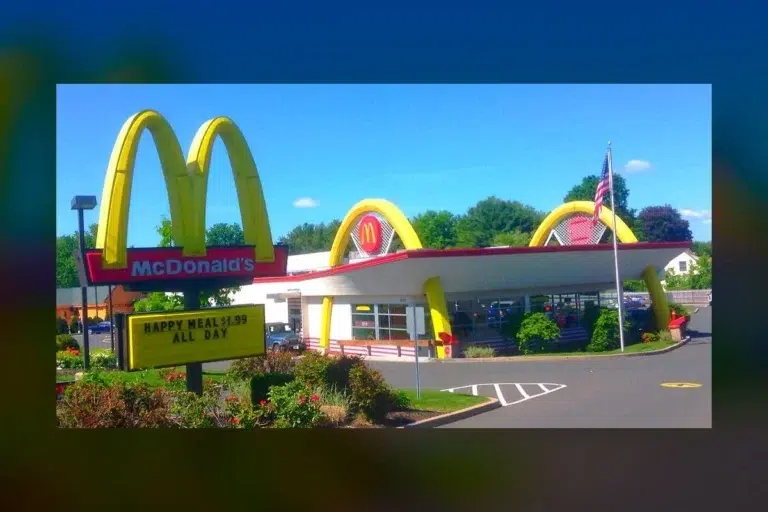
A fast-food giant promises 60,000 new jobs, but the real story is a relentless push to replace humans with AI, creating problems for workers and customers.
The fast-food industry is buzzing, not with the comforting sizzle of fries, but with the unsettling hum of automation. We’re being fed a glossy narrative that AI and robots are here to streamline our lives, making drive-thrus zippier and burgers perfectly consistent. But let’s ditch the corporate jargon and get real about what’s actually cooking: a relentless race to replace human workers with expensive, often finicky tech, all while these mega-corporations hoard obscene profits.
Big players like McDonald’s and Wendy’s are parading out AI-powered voice bots at the drive-thru, confidently declaring they’ll revolutionize your ordering experience. They’re pouring millions, if not billions, into systems from tech giants like IBM, all under the convenient banner of “efficiency.” What they conveniently forget to mention is the endless stream of stories about these bots spectacularly botching orders, leaving customers fuming and human employees scrambling to clean up the AI’s mess.

This isn’t about genuinely better service; it’s a thinly veiled attempt to slash payroll. They want you to swallow the idea that these robots are the answer to labor shortages, but the truth is, they’re simply creating a fresh batch of problems – problems that will inevitably land squarely on the shoulders of the few remaining human workers or, even worse, on you, the customer, when your order is wrong for the third time in a week.
And let’s not gloss over the data grab. Every single interaction with these AI systems, every order, every preference, is being hoovered up into corporate databases. They might murmur about “personalization,” but what they really mean is more data points to exploit for targeted ads and subtle psychological nudges. Your fast-food order isn’t just a meal anymore; it’s another valuable data packet for their ever-hungry algorithms.
Beyond the drive-thru, the kitchen is rapidly becoming a playground for robotic “chefs.” Miso Robotics’ “Flippy” is dutifully searing patties for Jack in the Box, while other automatons are frying and pizza-making their way into our food supply chain. The sales pitch is always the same, delivered with a straight face: robots handle the “dirty, dull, and dangerous” jobs, supposedly freeing up humans for more “engaging” roles.
This is classic Silicon Valley doublespeak for “we’re cutting jobs and justifying it with vague, feel-good promises of upskilling.” The harsh reality? These highly specialized machines frequently break down, demand constant, costly maintenance, and are a fortune to implement. Who ultimately foots that bill? You do, through higher prices, while the corporations pat themselves on the back for their “innovation” to eager shareholders.
The fast-food industry undeniably faces significant labor challenges, including high turnover and legitimate demands for better wages. Yet, instead of investing in their human workforce – offering living wages, comprehensive benefits, and genuine career paths – they’re recklessly throwing money at flashy tech that promises a cheaper, more compliant workforce. It’s a cynical maneuver that blatantly prioritizes profit over people, shamelessly dressing up job displacement as undeniable progress.
While domestic workers grapple with the threat of automation, these very same corporations are aggressively expanding into “emerging economies.” They’re planting thousands of new locations across Asia, Africa, and Latin America, meticulously adapting menus and navigating complex regulations. This isn’t some altruistic mission to bring economic prosperity; it’s a calculated move to tap into new markets with potentially cheaper labor and fewer regulatory hurdles, further solidifying their global dominance and extracting even more wealth.
Meanwhile, the gig economy, powered by apps like DoorDash and Uber Eats, continues to squeeze every last drop from delivery drivers, dangling the illusion of “flexibility” while systematically denying basic employee protections. Fast food isn’t just about burgers anymore; it’s a meticulously engineered machine designed to maximize corporate wealth at the expense of everyone else. Isn’t it time we stopped swallowing their narrative whole?
Photo: Photo by JeepersMedia on Openverse (flickr) (https://www.flickr.com/photos/39160147@N03/14676406713)
Source: Google News