Newsletter Subscribe
Enter your email address below and subscribe to our newsletter


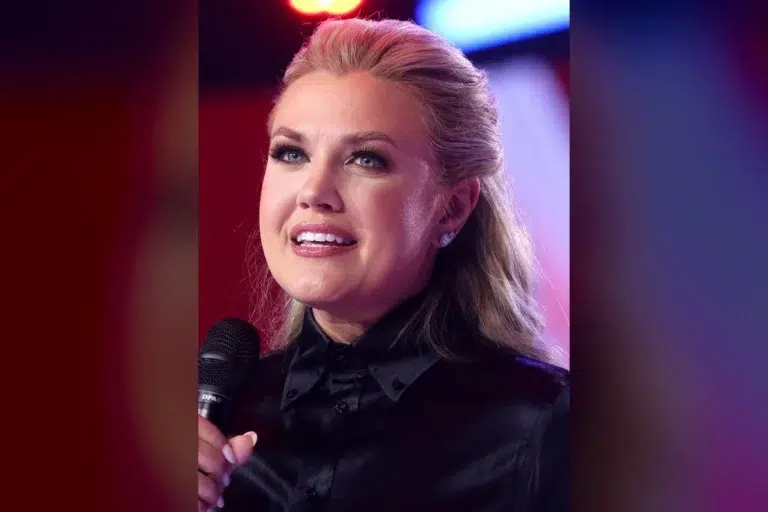
Erika Kirk's "I want to go home" after the WHCD shooting revealed raw fear. Yet, her distress sparked cruel mockery, exposing society's harsh double standard.
Distraught Erika Kirk sobbing “I want to go home” after the White House Correspondents’ Dinner shooting reveals a raw truth about public vulnerability. Her plea cut through the noise, exposing the intense fear many felt that night.
The 2026 White House Correspondents’ Dinner was supposed to be a night of celebration. Instead, gunfire erupted outside the Washington Hilton ballroom on the evening of April 25, 2026. Chaos took over the traditional gathering of journalists and politicians.

Security personnel rushed prominent media personality Erika Kirk to safety. Eyewitnesses described her as deeply distressed. She sobbed uncontrollably, repeatedly saying, “I want to go home.” This raw display became a symbol of trauma for many at the scene.
The incident sparked an immediate, intensified security review. The Secret Service and D.C. Metropolitan Police Department are investigating. Questions about perimeter security protocols are being asked.
President Donald Trump and other leaders condemned the violence. They stressed the importance of protecting democratic institutions. Support for attendees, including mental health professionals, is now available.
Kirk’s visceral reaction has dominated news and social media discussions. Her cry for home resonates deeply. It highlights the human cost of violence on individuals in the public eye.
Erika Kirk’s distress was real. It was a natural response to terror. Yet, online, she faced brutal mockery and accusations of being a “crisis actor.” This reaction is a harsh reflection of how society often treats women in public life.
When a woman shows fear, she is often judged. She is expected to be stoic. This double standard is exhausting for women in leadership and public roles. Her “I want to go home” was not a performance; it was a desperate human need for safety.
The online discourse was savage. Users dissected her tears, comparing her to alleged hoaxes. This dismisses genuine trauma. It creates a hostile environment for anyone, especially women, daring to show emotion publicly.
The shooting at such a high-profile event is alarming. It raises serious questions about public safety. If the White House Correspondents’ Dinner is not safe, what is?
This incident will increase security costs for future events. It will also have a chilling effect on attendance. The mental health impact on attendees is immeasurable.
Studies confirm that public acts of violence cause lasting psychological effects. These include PTSD, anxiety, and depression. The collective trauma is a significant, hidden cost.
“President Donald Trump and other political leaders have issued strong condemnations of the violence, emphasizing the importance of protecting democratic institutions and the press.”
This commitment must extend to protecting the emotional well-being of individuals. We must offer empathy, not scorn, when people are vulnerable. We must support those who move through public spaces with caution.
Erika Kirk’s reaction speaks to a universal human need. We all seek comfort and safety in moments of terror. To mock that instinct is to diminish our shared humanity.
Women in the public eye already face immense pressure. They face a world that often demands perfection. Their emotional labor is constant, their resilience tested daily.
Her tears were not a weakness. They were a clear sign of the horror of the moment. We must challenge the toxic culture that shames vulnerability. We must demand better from ourselves and from society.
The incident at the WHCD demands a stronger commitment to safety. It also demands a renewed commitment to empathy. We must create a world where seeking safety is met with support, not ridicule.
Photo: Wikimedia Commons (query: Editor’s Blog)
Source: Google News