Newsletter Subscribe
Enter your email address below and subscribe to our newsletter

Enter your email address below and subscribe to our newsletter
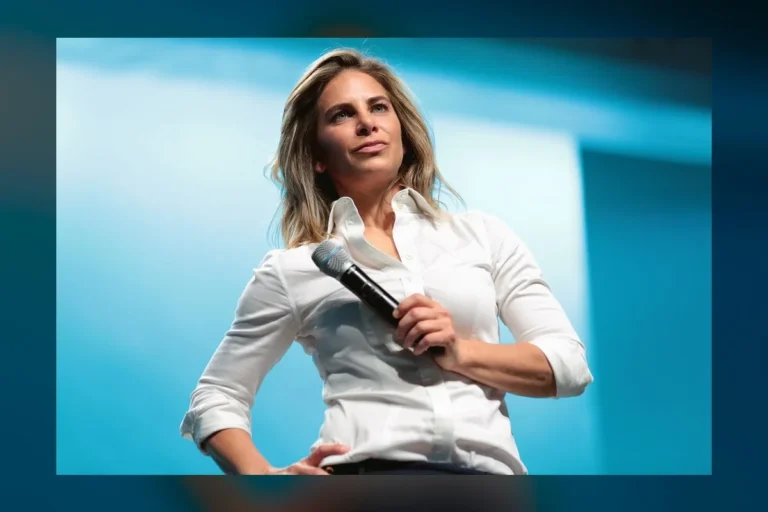
Jillian Michaels reveals how her frozen shoulder was actually early menopause, cured in weeks with hormone therapy—exposing a crucial but overlooked women’s health issue.
Frozen shoulder is a brutal, relentless pain—one that left me desperate, frustrated, and misunderstood. Jillian Michaels just exposed a medical blind spot: her frozen shoulder was actually an early menopause symptom. The treatment that wiped out her pain in three weeks? Hormone therapy combined with physical therapy. Yet this lifesaving connection remains ignored, leaving millions of women trapped in needless pain.
For years, Michaels endured agonizing shoulder stiffness that traditional treatments failed to fix. The breakthrough came when she discovered her frozen shoulder was a warning sign of hormonal imbalance. After targeted hormone replacement therapy (HRT) alongside physical therapy, her pain disappeared almost overnight.
“It’s a travesty more women don’t know this,”Michaels declared on April 7, 2026, calling out the medical community’s dangerous myopia that confines menopause symptoms to hot flashes and mood swings alone.

Here’s what every woman needs to understand:
So why does this vital link go unnoticed? Because the medical system clings to outdated menopause narratives, reducing the experience to hot flashes and mood swings, while dismissing the complex hormone-joint relationship. Women endure endless physical therapy, painkillers, and even unnecessary surgeries—all while the root cause remains untreated: hormonal imbalance wreaking havoc on their bodies.
Jillian’s story is far from isolated—it echoes millions of women’s experiences. The silence around musculoskeletal symptoms of menopause is a public health crisis. Dr. Marissa Langford, a leading menopause specialist, states plainly,
“Estrogen plays a crucial role in joint health. When levels drop, symptoms like frozen shoulder aren’t just possible—they’re common. Recognizing this can revolutionize care for millions of women.”
Yet the backlash online has been vicious. Fitness enthusiasts and skeptics flooded social media with dismissive memes and rants, branding the hormone-joint connection as “pseudoscience” or a celebrity cash grab. Reddit’s r/Fitness forum insisted frozen shoulder is purely orthopedic, not hormonal. Some accuse Michaels of exploiting menopause to sell supplements or podcasts.
But here’s the inconvenient truth skeptics refuse to face: the science is clear. Ignoring early menopause symptoms condemns women to chronic pain, disability, and lost chances for relief. Dismissing women’s pain as “all in their heads” or purely mechanical isn’t just wrong—it’s rooted in decades of medical sexism and outdated biases that continue to harm women’s health.
Jillian’s revelation is more than a personal story—it’s a rallying cry for women to reclaim their health. If you’re over 40 and struggling with unexplained joint pain or stiffness, don’t accept a vague injury diagnosis. Demand answers. Ask your doctor to consider menopause as a cause. Insist on hormone screening and informed treatment options.
Healthcare providers must expand menopause symptom checklists to include musculoskeletal issues. Medical education urgently needs an overhaul to catch these signs early and prevent needless suffering. Without this, women will continue to receive band-aid solutions while their hormones silently destroy their quality of life.
HRT, once demonized and underused due to outdated safety fears, is now making a comeback as a powerful, effective treatment—when carefully managed. Doctors and patients must collaborate to weigh risks, but ignoring HRT’s benefits is a disservice to millions desperate for relief.
Jillian’s story highlights a bigger problem: glaring disparities in menopause care. Women of color and those from lower-income backgrounds often lack access to specialized treatment. Younger women in perimenopause with atypical symptoms remain invisible in research and mainstream media. Until these gaps close, the “travesty” Michaels speaks of will persist.
Frozen shoulder as a menopause symptom isn’t fringe—it’s a red flag demanding urgent attention. Women deserve to know the full spectrum of menopause’s impact. They deserve treatments that work. And above all, they deserve to be heard and believed.
Breaking the silence requires better doctor education, more research funding, and women empowered to challenge outdated medical scripts. Jillian Michaels’ story is the starting gun. The race for awareness has begun. Will you join it?
Because if you don’t, who will?
Explore how women are redefining strength and health at TheManEdit.
Photo: Photo by Gage Skidmore on Openverse (flickr) (https://www.flickr.com/photos/22007612@N05/34144495611)
Source: Google News