Newsletter Subscribe
Enter your email address below and subscribe to our newsletter


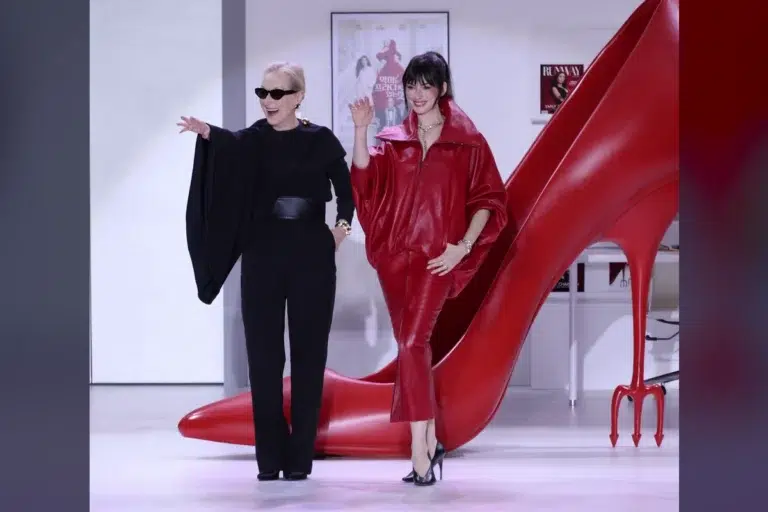
Jane Tippett calls The Devil Wears Prada 2 a "disgrace to fashion" and guilty of the biggest sin of all. This urgent review reveals why it's a fashion felony.
Let’s be brutally honest: the idea of a sequel to The Devil Wears Prada isn’t just a bad idea – it’s a fashion felony. With the original film’s 20th anniversary approaching in 2026, the buzz isn’t just about nostalgia; it’s a full-on celebration of a movie that absolutely defined an era.
We’re re-watching, re-analyzing, and obsessing over its enduring style legacy. When a classic reaches such stratospheric heights, sequel whispers inevitably follow. Sometimes, those whispers turn into a full-blown scream of creative bankruptcy.

I’ve been tracking the early chatter, the leaked reports, the hushed discussions around a potential The Devil Wears Prada 2. Frankly, if Jane Tippett’s searing assessment is anything to go by – she called it “searingly silly, ridiculous, a complete disgrace to fashion” – then we’re not just talking about a minor misstep; we’re talking about a full-blown cinematic crime against everything we love about the original. My red marker is already out.
The original film, thanks to Patricia Field’s genius costume design, didn’t just show us clothes. It revealed fashion’s transformative power, the brutal elegance of high fashion, and a profound shift of identity.
Andy Sachs’s iconic journey from that infamous cerulean sweater to those jaw-dropping Chanel boots wasn’t just a glow-up. It was a masterclass in how style shapes perception, ambition, and destiny. The film offered a sharp, witty, and often brutally honest look at the industry, feeling both aspirational and terrifyingly real.
So, what exactly is this rumored sequel doing that makes critics like Tippett spit fire? If it’s truly “silly” and “ridiculous,” they’ve fundamentally missed the entire point. The magic of the first film wasn’t just its grounded, albeit deliciously exaggerated, reality. It held a polished mirror up to the industry’s absurdities while still making us aspire to its glamour.
A “silly” sequel suggests a catastrophic descent into slapstick. It cheapens characters we admire for their razor-sharp wit and complex motivations. Miranda Priestly wouldn’t tolerate silly; neither should we, the discerning audience who fell in love with her icy brilliance.
Anne Hathaway and Emily Blunt have evolved into genuine red-carpet powerhouses. Their real-life style mirrors the sophistication their characters achieved on screen.
To bring them back, only to have them wade through a narrative that’s a “disgrace to fashion,” isn’t just an insult to these actors. It’s a slap in the face to the original’s essence. It reduces meticulous world-building to a cheap punchline, turning aspirational style into a tacky costume party. Who needs that?
Tippett’s verdict that it’s “guilty of the biggest sin of all” for fashion is a damning, utterly precise statement. What is that sin? It’s not just bad clothes or questionable styling choices; it’s making fashion utterly irrelevant.
It’s failing to grasp that the original film’s success wasn’t just about the designer labels – though we loved those. It was about the compelling story those labels told: power, aspiration, identity, and the relentless pursuit of perfection. If a sequel can’t deliver compelling, meaningful fashion, what is the point? Seriously.
A truly awful sequel would trade the original’s incisive commentary for broad strokes and tired, predictable tropes. It would replace the subtle, thrilling power plays with obvious melodrama, and the cutting, unforgettable dialogue with bland, focus-grouped quips. It would be a cinematic beige sweater in a world of Oscar de la Renta gowns – utterly forgettable and completely devoid of sparkle. Trust me, nobody wants to watch that.
The original didn’t just set a benchmark; it created the benchmark for how fashion can drive narrative and define character. To follow that with something “silly” and “ridiculous” isn’t just a misstep; it’s a profound, unforgivable misunderstanding of its legacy.
It’s essentially saying that the intricate web of influence, the relentless grind, and the genuine artistry behind Runway magazine (and the film about it) can now be replaced by a cheap, uninspired imitation. That, my friends, is simply unacceptable.
The biggest sin of all isn’t just bad fashion; it’s making fashion feel utterly pointless.
Red Marker Verdict: Let’s be brutally, unapologetically honest. The mere talk of a “silly” sequel isn’t about artistic integrity. It’s not a burning desire to expand a compelling narrative. It’s a transparent, calculated cash grab, banking shamelessly on the enduring goodwill of a generation who adored the original.
This is the kind of cynical play made by executives who see a beloved classic not as a work of art, but as an untapped revenue stream, regardless of how badly they butcher it. The “biggest sin of all” isn’t just poor taste or a fashion faux pas; it’s the financial motive overriding any shred of respect for the original’s intelligence, its unparalleled style, and its very soul.
Some legends are best left untouched, preserved in their iconic, untouchable glory. They should not be dragged through the mud for a quick, dirty buck. Don’t touch our Prada.
Photo: Wikimedia Commons (query: Jane Tippett)
Source: Google News