Newsletter Subscribe
Enter your email address below and subscribe to our newsletter


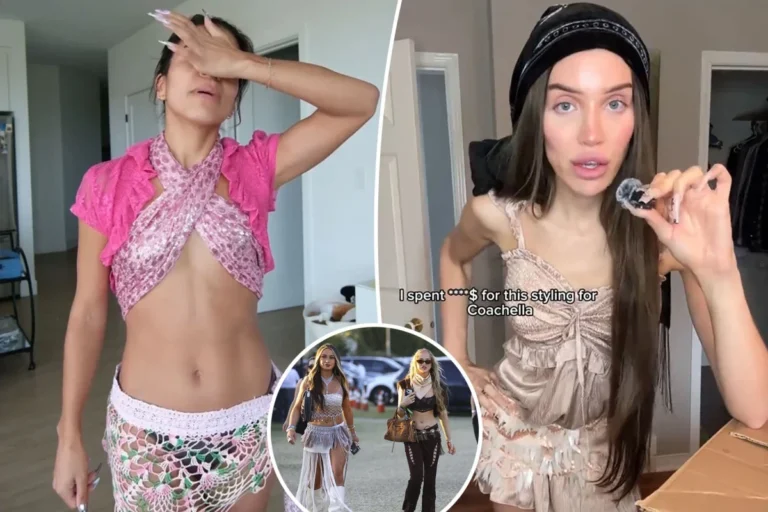
$20K stylists, tragic outfits. Coachella influencers became a meme, exposing the industry's fake style and desperate plea for attention.
The internet didn’t just mock Coachella influencers; it held a public execution. Their “tragic” outfits weren’t merely fashion faux pas. They were a glaring example that money can’t buy genuine style, only a desperate, pathetic plea for fleeting attention.
Coachella’s first weekend, April 11-13, 2026, has come and gone. It left a trail of glitter, dust, and unprecedented online ridicule. The looks paraded by the festival’s influencer class dominated social media.

This year, however, the conversation wasn’t about trendsetting or aspiration. It was a brutal, collective takedown.
Social media platforms erupted with mockery, dissecting “tragic,” “confused,” and frankly, “clownish” ensembles. This wasn’t some organic fashion rebellion. These influencers reportedly blew thousands of dollars on professional stylists, making the resulting disaster all the more damning.
The backlash wasn’t a ripple; it was a tsunami across TikTok, Instagram, and X. Viral posts accumulated millions of views. Seasoned fashion commentators didn’t hold back, tearing apart the worst looks and comparing them to genuinely iconic festival styles of yesteryear.
The message was clear: if you pay that much, the results better be revolutionary, not risible. These weren’t.
This isn’t merely about bad fashion choices. It’s a stark, public indictment of the rotten core of influencer culture. We’re constantly fed the narrative that these individuals are “authentic” trendsetters, tastemakers, the very pulse of popular culture.
But the Coachella influencers debacle proves it’s all a meticulously constructed, obscenely expensive facade. This is performative hypocrisy at its most brazen. The public is finally seeing through it.
Netizens, ever-sharp, recognize engineered virality when they see it. One Reddit thread, dripping with sarcasm, sneered, “They pay thousands for outfits that look like Shein rejects styled by a drunk toddler.” Another X user cut even deeper: “Influencers cosplaying wealth while dressing like poverty tourists—Coachella’s real headliner is irony.”
This “tragic” display is nothing more than pure algorithm bait. Post the flop. Feign vulnerability. Rake in sympathy likes, then pivot to brand deals.
It has nothing to do with personal expression or genuine style. It’s about content. It’s about staying relevant by any means necessary, even if it means sacrificing dignity and looking utterly ridiculous.
The public isn’t just tired of it; they’re actively rejecting it. This ridicule isn’t just noise; it’s a resounding exposé of the illusion of influence. It screams that “authenticity” is often just a carefully bought commodity, easily shattered by a thousand mocking memes.
“Honestly, I saw some of these outfits and thought, ‘Did they just pull that out of a dumpster, or did someone actually charge them for that?’ It’s baffling.” — Popular TikTok fashion commentator @StyleSnark (April 13, 2026)
That quote nails it. The shock isn’t just the outfits themselves. It’s the astronomical price tag attached to them. It’s the galling idea that someone, a supposed “professional,” was paid handsomely for such an unmitigated disaster.
This entire mess also casts a harsh, unforgiving light on the professional stylists involved. Their reputations are on the line, shredded alongside their clients’ credibility. If their clients are consistently panned, doesn’t that reflect damningly on their skills?
Are they truly experts guiding taste, or merely enablers of excess, pushing absurdity for a paycheck?
An anonymous L.A. stylist, speaking candidly in The Hollywood Reporter, offered a glimpse into the pressure cooker:
“Clients often come with very specific, sometimes unrealistic, ideas, and the pressure from brands to push certain looks can be immense. It’s not always about what looks good, but what gets noticed.” — Anonymous L.A. stylist (April 14, 2026)
This quote lays bare the ugly truth. It’s not about genuine style, craftsmanship, or even aesthetic appeal. It’s about shock value.
It’s about generating clicks and eyeballs, even if it’s for all the wrong reasons. Stylists find themselves in a moral and creative trap, forced to deliver “viral” looks, not necessarily good ones.
This inevitably pushes them towards the absurd, transforming fashion into a grotesque caricature.
This destructive dynamic isn’t just a blip; it actively harms the entire fashion industry. It devalues true craftsmanship, turning creativity into a clown show. It’s a desperate race to the bottom for attention, where genuine artistry is sacrificed at the altar of the algorithm.
An X post from @FestivalFails, which quickly went viral, perfectly captured the public’s mood:
“It’s not just about the clothes; it’s the whole vibe. It feels less like personal expression and more like a desperate plea for attention that just… didn’t land.” — X user @FestivalFails (April 14, 2026)
Source: Google News