Newsletter Subscribe
Enter your email address below and subscribe to our newsletter


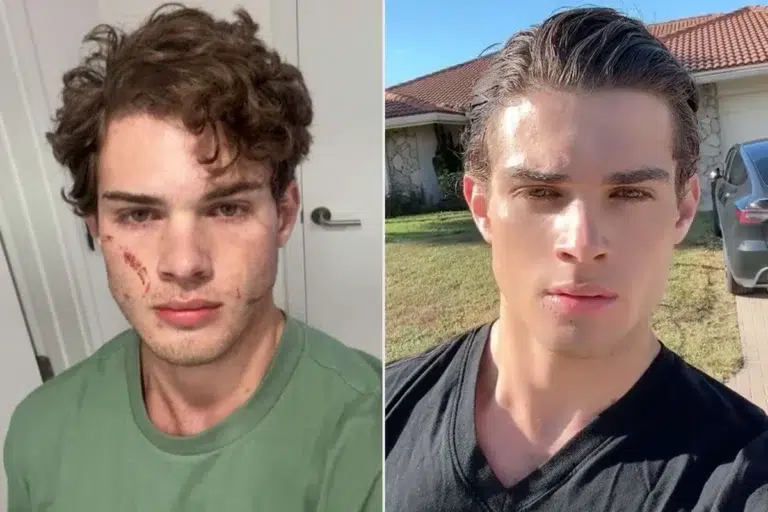
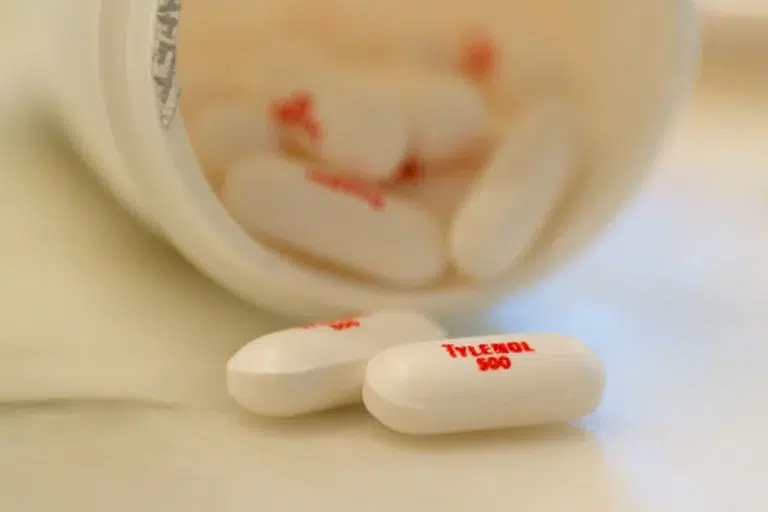
Streamer Clavicular's suspected overdose became a brutal public spectacle. The internet's chilling response reveals the dark side of online "perfection.
When a young streamer’s suspected overdose became a brutal public spectacle, the internet’s response was swift and, for many, chillingly devoid of empathy. Braden Eric Peters, known online as Clavicular, was hospitalized after an unsettling livestream, sparking not concern, but a torrent of online mockery. This isn’t just a story about one young man’s crisis; it’s a stark reminder of the dangerous pursuit of superficial “perfection” and the crushing isolation it breeds in our digital age.
Peters was livestreaming from a Brickell restaurant when viewers reported his behavior growing erratic. With glazed eyes and slurred words, his suspected overdose quickly led to hospitalization, igniting a fervent debate across social media platforms about the true cost of online validation.

Instead of offering compassion, the online world responded with a scathing judgment. Reddit threads and X feeds erupted with schadenfreude, turning Clavicular into a cautionary tale. The very “looksmaxxing” community he championed—those obsessed with physical “perfection”—now labels him the “ultimate failson.” It makes you wonder: where does our collective empathy go when someone is clearly struggling in the public eye?
Users on r/Looksmax.org and r/BlackPillScience are quick to declare it karma, referencing his past “gator-shooting stunt” in the Everglades. Memes now mock him as “alligator chad who chokes on trenbolone.” Meanwhile, those outside the looksmaxxing bubble on X are piling on, branding the entire movement “suicide fuel.”
“This is what happens when you let 4chan rewrite your face—looksmax to liver failure.”
Accusations of roid rage, benzos, or “NPC drugs” are circulating rapidly. Clips of his “unsettling” stream are being endlessly recirculated, making it hard to distinguish between a genuine cry for help and a performance gone terribly wrong. It’s a tragic dance between public persona and private pain, where vulnerability is monetized and then mercilessly judged.
This saga pulls back the curtain on the harsh reality of online “self-improvement” cultures. Looksmaxxing, with its seductive siren song, promises a path to physical and social “ascension.” Yet, its intense, often obsessive, focus on superficiality rarely builds true confidence. Instead, it often masks deep insecurities and fosters profound isolation, rather than genuine connection. We’re led to believe that if we just fix our jawline or perfect our physique, happiness will follow. But at what cost?
The pursuit of an “ideal” image becomes an all-consuming quest, frequently involving extreme measures like surgeries, steroids, and a relentless, unhealthy self-assessment. This system is built on quicksand: when one person inevitably “fails” to meet its impossible standards, the very community that once uplifted them turns with brutal swiftness, proving the entire edifice is fundamentally flawed and unsustainable. It’s a cycle designed for disappointment, not genuine growth.
Amidst this digital chaos, the authentic wellness world is charting a different course. Experts are increasingly championing “relational recovery” for mental health and substance use. This empowering approach recognizes that healing is never a solo mission; it thrives in connection and community.
As Wellness Today highlighted in late 2025, their pivotal article, “Beyond the Individual: The Rise of Relational Recovery in Mental Health and Addiction Care,” underscores the urgent need for community. It emphasizes family therapy, couples counseling, and peer support as crucial elements for sustained, meaningful recovery. True strength, it reminds us, is found in the bonds we forge, not in the isolation of a solo grind.
https://www.wellnesstoday.com/relational-recovery-2025Further reinforcing this, the Journal of Behavioral Health Policy published a study in early 2026, revealing that neglecting relationship dynamics during treatment leads to significantly higher readmission rates. Conversely, strong relational components are directly linked to higher life satisfaction and lasting well-being. This research unequivocally proves that genuine self-care isn’t about isolating ourselves to fix perceived flaws; it’s about nurturing our connections and embracing our shared humanity.
https://www.jbhpolicy.org/relational-trauma-recovery-2026Here’s the brutal, undeniable truth: While wellness experts advocate for relational recovery, the digital sphere often offers the exact opposite. Clavicular’s situation is a tragic illustration of this massive disconnect. He was chasing an impossible standard of physical perfection, relentlessly fueled by fleeting online trends. When he hit rock bottom, the response was not the support he desperately needed, but a feeding frenzy of mockery and judgment.
The mainstream wellness narrative, focused on individual responsibility, often misses this brutal reality. It frequently overlooks the powerful financial and ego-driven motives behind chasing online clout. For many “looksmaxxers” and those caught in similar traps, the goal isn’t genuine self-improvement; it’s about views, donations, and a warped sense of digital status. The line between a genuine cry for help and a “staged clout-chasing” performance blurs completely, leaving us all to wonder what’s real.
This isn’t just about one young man’s very public crisis; it’s a mirror reflecting a culture that monetizes vulnerability, punishes perceived failure, and often leaves us feeling more alone than ever. Until we courageously confront the toxic undercurrents of online communities and commit to fostering spaces built on empathy and authentic connection, genuine mental wellness will remain an uphill battle. Let’s choose to prioritize real human connection over digital validation, and remember that our true worth lies not in how we look, but in how we connect, how we care, and how we show up for ourselves and each other.
Source: Google News