Newsletter Subscribe
Enter your email address below and subscribe to our newsletter

Enter your email address below and subscribe to our newsletter
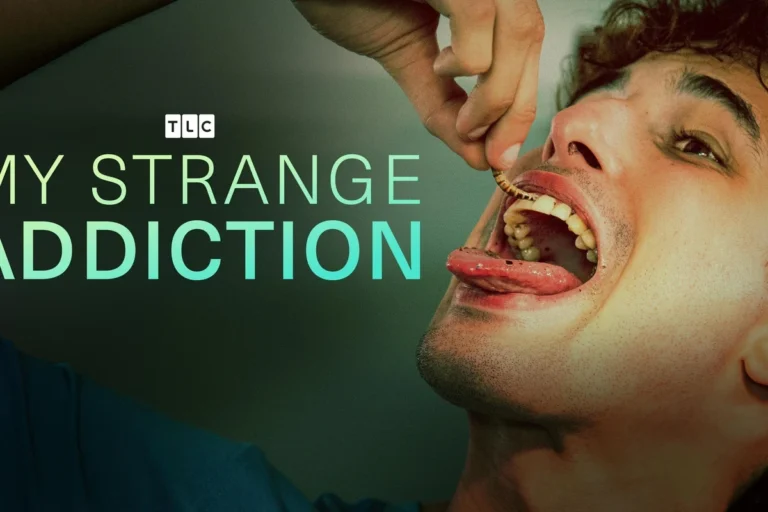
TLC's "My Strange Addiction" rerun featuring a live bug-eater is pure trauma porn. Are we really this desperate for shock value?
Let’s be real: TLC isn’t just scraping the bottom of the barrel; they’re actively digging through the muck beneath it with their latest “My Strange Addiction” rerun. We’re talking about Carlos, a man who finds culinary delight in live bugs, all for the sweet, sweet nectar of clicks. This isn’t just not entertainment; it’s pure, unadulterated trauma porn designed to make you gag, question your life choices, and maybe even dry heave a little.
The network, bless its heart, clearly thinks we’re all mindless zombies, eagerly awaiting our next dose of decade-old shock value. They’re hoping we won’t notice their desperate grab for ratings, a plea so transparent it’s practically invisible. But honey, we see you, and frankly, we’re not impressed.

TLC, in its infinite wisdom, recently resurrected an episode of “My Strange Addiction” featuring Carlos, a man whose dietary choices include live insects. He claims mealworms taste like “buttered popcorn,” a statement that frankly, makes me question his taste buds, or perhaps his definition of popcorn. He even goes so far as to describe the delightful sensation of bugs “tickling his throat.” My gag reflex just went into overdrive.
And guess what? Viewers are absolutely not impressed. Social media platforms are awash with a collective wave of disgust. People are not just calling it “nasty”; they’re questioning the very ethics of broadcasting such content. One Instagram user perfectly encapsulated the general sentiment, wondering, “How does one not only start eating live bugs but enjoy it lol.” Another, perhaps too disgusted for words, simply posted a sick emoji. The clip, in all its stomach-churning glory, even shows Carlos shrugging off doctor’s warnings about parasites, declaring with a chilling nonchalance, “I don’t care if it’s bad for me.” This isn’t quirky; it’s a health hazard paraded as prime-time viewing.
This kind of sensationalism isn’t just a misstep; it’s a glaring symptom of everything that’s fundamentally wrong with reality TV today. It’s a race to the bottom, and TLC is leading the pack with a spoonful of live mealworms.
“My Strange Addiction” has always prided itself on walking a tightrope, claiming to document “extraordinary human experiences.” But let’s call a spade a spade: in reality, it’s often a thinly veiled exploitation machine, turning vulnerable individuals’ struggles into a veritable freak show. This isn’t about understanding; it’s about gawking.
The show, unsurprisingly, has faced a barrage of criticism for its sensationalization of conditions and its glaring lack of adequate support for its participants. While networks claim they’ve had an ethical awakening and now care deeply about participant welfare, the insatiable drive for shocking content remains the elephant in the room – a very large, very hungry elephant. As Reuters recently discussed, the ethical landscape of reality TV is supposedly evolving, yet shows like “My Strange Addiction” keep crawling out of the woodwork, proving beyond a shadow of a doubt that networks prioritize shock value over human dignity every single time.
Let’s be clear: this isn’t about fostering a deeper understanding of unusual behaviors. This is about one thing and one thing only: getting us to watch, to click, to generate those sweet, sweet viral clicks. It’s a cynical manipulation of human curiosity, dressed up as documentary filmmaking.
The public’s reaction to Carlos’s bug-eating escapades isn’t genuine interest; it’s pure, unadulterated revulsion. People aren’t just calling Carlos a “lizard”; they’re genuinely asking, “Are you a lizard?” The line between human and… whatever he’s becoming, is blurring. And honestly, who can blame them?
Others, perhaps more jaded by the machinations of reality television, believe the entire spectacle is staged. They suspect Carlos is a paid actor, just another pawn in the network’s game, desperately trying to snatch his 15 minutes of fame. This skepticism isn’t new; reality TV has a long, illustrious history of faking it until it makes it – or until it gets caught. As one Redditor astutely commented, “Many people eat insects… not live!” This perfectly highlights the show’s deliberate extremism. TLC isn’t just pushing boundaries; they’re obliterating them for no good reason other than to elicit a visceral gag reflex from their audience. It’s a cheap trick, and we’re tired of falling for it.
This isn’t entertainment; it’s trauma-baiting theater, packaging human oddities as a consumable spectacle. It’s a sad, stomach-churning reflection of our media consumption habits, where the bizarre trumps the beautiful, and the shocking trumps the sincere.
“My Strange Addiction” didn’t just air; it paved the way for an entire genre of “trauma-tainment,” a beast that thrives on shock and exploits niche communities and unusual lifestyles for profit. Now, Netflix, Hulu, and Peacock are all in on the game, churning out similar shows that promise insight but deliver exploitation.
These shows, with their saccharine claims of fostering empathy and providing insight, are nothing more than elaborate schemes to capitalize on our inherent curiosity. They profit from the “other,” turning unique human experiences into a commodity. Even E! News, in its coverage of celebrity “quirks” and “unusual habits,” now uses the show’s insidious language, framing these as “addictions.” This just proves how deeply “My Strange Addiction” has infected popular discourse, normalizing the abnormal and sensationalizing the mundane.
Are we truly so starved for content that we need to watch people eat live bugs? Is this truly what we’ve collectively decided constitutes entertainment in the 21st century? Because if it is, we need to have a serious, collective intervention.
The show’s format, for better or worse, has undeniably influenced the landscape of TikTok and YouTube, where viral videos often showcase unusual hobbies, emphasizing the “strange” or “addictive” quality. It’s a performative aspect that undeniably echoes TLC’s successful, albeit morally dubious, formula.
But here’s the crucial difference: most online content creators, for all their eccentricities, are generally choosing what they share. They’re in control of their narrative. TLC, however, is a massive corporation, and with that power comes a responsibility – a responsibility they are spectacularly failing. They are not just promoting content; they are promoting pathological capitalism, shamelessly selling human discomfort for profit. It’s a transactional relationship where the currency is human dignity, and the network is always the one making bank.
So, when will networks learn? When will they finally stop parading people’s struggles for profit, turning genuine human experiences into a grotesque spectacle? Don’t we, as an audience, deserve better than this utterly nauseating spectacle? Or are we destined to forever be force-fed live bugs, one rerun at a time?
Source: Google News