Newsletter Subscribe
Enter your email address below and subscribe to our newsletter

Enter your email address below and subscribe to our newsletter
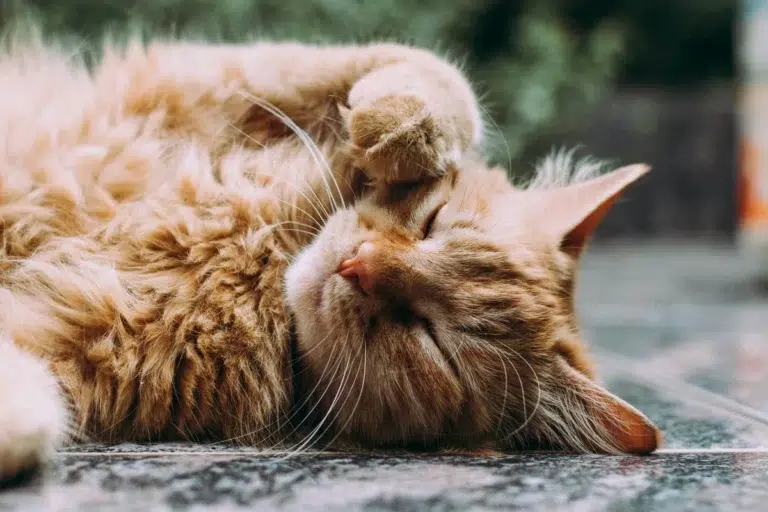
That viral video of a cat drinking milk? It's a dangerous myth. Most adult cats are lactose intolerant, and dairy can make them seriously sick.
Let’s get straight to it: that adorable image of a kitten lapping up a saucer of milk? It’s a myth, a dangerous one at that, and it’s time we put it to bed for good. Stop giving your cat milk. It will make her sick, plain and simple.
You see those viral videos? The ones showing cute cats blissfully enjoying milk, cheese, or even ice cream? They’re not just misleading; they’re actively harmful. These so-called “treats” are far from benign; for most felines, they’re akin to a mild poison.

Forget the old cartoons and storybooks that painted a picture of contented cats and creamy milk. The truth, my dears, is that cats and milk simply don’t mix. The vast majority of adult cats are, in fact, lactose intolerant.
Their digestive systems lack the necessary enzyme, lactase, to properly break down the sugar (lactose) found in milk. What does this mean for your beloved furball? Big trouble for their tiny, delicate tummies.
Feeding your cat dairy products isn’t a sweet gesture; it’s a recipe for disaster. It commonly leads to painful diarrhea, distressing vomiting, and general stomach upset that can leave your cat feeling miserable. This isn’t a “treat” by any stretch of the imagination; it’s often a direct route to an emergency vet visit. And trust me, you’ll be paying a hefty sum for a problem that was entirely preventable.
Oh, the internet! While it connects us to so much wonderful information, it’s also a breeding ground for misinformation, especially when it comes to our pets. TikTok and Instagram are unfortunately rife with terrible advice, often disguised as adorable content.
So-called “catfluencers” frequently feature their pets happily drinking milk or munching on cheese, confidently declaring it’s perfectly fine. Let me be clear: they are wrong, and their content is irresponsible.
These viral videos, designed for clicks and likes, are incredibly dangerous. They spread a false narrative that puts countless unsuspecting cats at risk. Is a moment of internet fame truly worth compromising your cat’s health? Your cat’s well-being is infinitely more important than a fleeting viral trend. Don’t fall for the hype; trust science and veterinary advice over online fads.
The dangers lurking in our homes extend far beyond just dairy. The ASPCA consistently lists common household items as leading causes of pet poisoning. This includes many foods you might innocently consider harmless. Dairy is just one example in a long list of no-nos.
Sharing “people food” with our feline companions is a common, albeit risky, practice. A 2023 survey reported by Reuters indicated that a staggering 30% of cat owners admit to regularly sharing human food with their pets. While done with love, this practice can have dire consequences and cost you dearly.
Emergency veterinary visits for poisoning or severe gastrointestinal distress can easily range from $500 to over $3,000, depending on the severity and required treatment. Is a moment of perceived cuteness or a misguided “treat” truly worth such a significant financial and emotional toll?
Cats are notoriously stoic creatures. It’s one of their endearing qualities, but it also means they are masters at hiding pain and discomfort. You might not see immediate, obvious signs of distress, but internal damage or discomfort could be silently brewing.
This stoicism often delays owners from seeking help until a condition is quite advanced. Dr. Anya Sharma, DVM, a respected veterinary toxicologist, frequently warns pet owners about this very issue.
“We’re seeing a concerning rise in cases of feline toxicity related to common household items,” Dr. Sharma states in a recent interview with CNN. “Owners often don’t realize the unique way a cat’s liver metabolizes substances, making many ‘natural’ products incredibly dangerous for them. What’s safe for a human, or even a dog, is often not safe for a cat.”
Your cat is not a tiny human, nor is she a small dog. Her physiology is distinct, and what’s perfectly safe for you or another pet can be profoundly toxic for her.
Milk is just the tip of the iceberg, my friends. Our homes, while havens for us, can be minefields for our curious cats. It’s crucial to adopt a “cat’s eye view” of your living space.
Mark Thompson, a renowned Pet Safety Educator, strongly suggests performing a “cat-level” walkthrough of your home. Get down on your hands and knees and literally see what your cat can reach, chew on, or get into. “It’s often the things we overlook or consider insignificant that pose the biggest risks to our pets,” Thompson advises in a recent article for The Guardian.
The internet is overflowing with well-meaning but ultimately bad advice. It’s your responsibility, as a loving cat parent, to be discerning. Don’t believe everything you see or read online. Do your research, consult your veterinarian, and prioritize the health and safety of your furry family member above all else.
Your cat depends entirely on you for her well-being. Don’t let viral trends or old wives’ tales dictate her diet or safety. Give her real love, proper nutrition, and a safe environment, not toxic “treats” or dangerous fads. So, I ask you, what seemingly harmless thing are you still giving your cat? If it’s dairy, or anything else on our danger list, please, stop it now. Her health, and your peace of mind, are worth it.
Source: Google News