Newsletter Subscribe
Enter your email address below and subscribe to our newsletter

Enter your email address below and subscribe to our newsletter
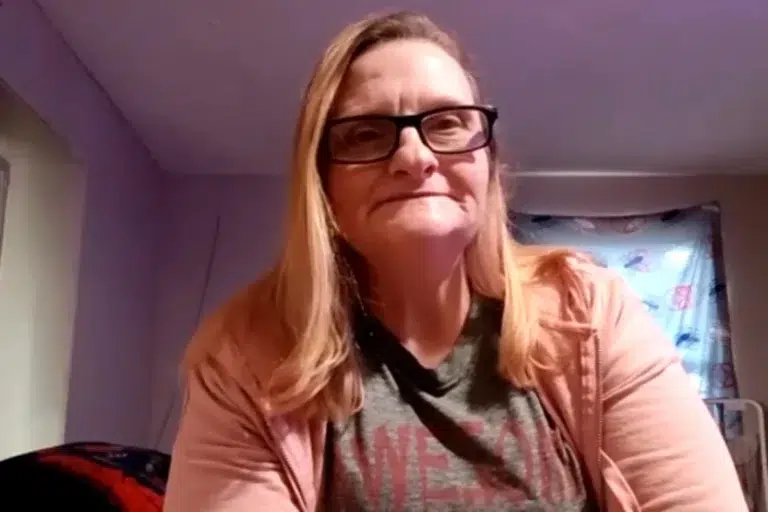
A woman spent 5 months in jail after facial recognition wrongly identified her as a criminal in a state she'd never visited. This isn't sci-fi, it's a terrifying reality.
Hold onto your hats, ladies, because what I’m about to tell you isn’t some dystopian Netflix show – it’s real life, and it’s absolutely terrifying. Imagine spending five months in jail, dragged 1,500 miles from home, all because a computer program decided you looked like a criminal. That’s exactly what happened to Angela Lipps, and frankly, it’s a total disaster.
Angela, a resident of Tennessee, was simply babysitting in July 2025 when U.S. Marshals burst in. Their claim? She’d committed crimes in North Dakota. The kicker? Angela had never even set foot in North Dakota. Yet, she was hauled off, imprisoned until December, all thanks to a facial recognition algorithm that apparently couldn’t tell its left from its right, or more accurately, its Angela from its actual suspect.

This isn’t just a minor glitch in the system; it’s a full-blown, catastrophic breakdown of justice. We’ve been told facial recognition would make our lives easier, safer even. Instead, it ripped Angela Lipps’ life apart, proving that sometimes, technology isn’t just imperfect – it’s downright dangerous. Let’s break down the sheer absurdity of it:
The public, bless their cotton socks, is absolutely livid. And honestly, who can blame them? This isn’t just a warning; it’s a flashing red siren. People are jokingly, but also terrifyingly, calling it “Skynet’s beta test on grannies.” And you know what? They’re not wrong to be scared. Because if it can happen to Angela, it can happen to any of us.
Oh, you bet social media exploded! Reddit and X (formerly Twitter) became a hotbed of outrage, with users tearing into the system and calling out the “AI doomerism” that’s now morphing into a very grim reality. The message from the masses is crystal clear: this technology, in its current form, is a menace.
“AI + lazy badges = gulag lottery,” one user posted, perfectly encapsulating the chilling fear.
This isn’t just about Angela’s individual nightmare; it’s about the potential for this to become everyone’s nightmare. What if a faulty algorithm decides you look like someone who jaywalked in a different state? What then?
Even the big guns like the ACLU and EFF have weighed in, calling this incident a “prelude to mass surveillance hell.” And frankly, after reading Angela’s story, it’s hard to argue with them. This case is a stark, terrifying illustration of how easily our fundamental rights can be snatched away by a line of code.
Fargo PD tried to save face, claiming they took “additional investigative steps.” But seriously, what steps? Did they even bother to do basic detective work? Or did they just blindly trust the machine, shrugging their shoulders and saying, “The computer said so!”?
This whole debacle screams of a much larger, more insidious problem. Are our law enforcement agencies becoming overly reliant on algorithms, forgetting the art of actual human investigation? It certainly looks that way. One particularly scathing, yet spot-on, sarcastic comment summed it up perfectly:
“US Marshals flew her 1,500 miles on probable cause thinner than her social media selfies.”
That, my friends, is the heartbreaking truth. A woman’s freedom, her very life, was gambled away on the flimsy premise of a faulty computer match. It’s not just negligent; it’s a profound failure of human judgment.
And let’s not ignore the elephant in the room. Black Twitter, as always, brought a vital perspective to the conversation, with the hashtag #AIButNotBlackEnough trending. Many believe the actual suspect might have been darker-skinned, and the software, notoriously prone to bias, simply “whiffed” and pinned it on Angela.
This isn’t some wild conspiracy theory; facial recognition technology has a well-documented, deeply troubling history of misidentifying people of color. Is this what “tech racism” looks like when it hits the streets? It certainly feels like it, and it’s a chilling thought that our supposedly “neutral” algorithms are perpetuating existing societal biases.
This case isn’t just about Angela Lipps; it’s a glaring spotlight on systemic issues at the intersection of technology, justice, and racial bias. The implications are not just terrifying; they are a direct threat to the foundational principles of a fair society.
Angela Lipps lost five precious months of her life. She was forcibly removed from her home, from her routine, and thrown into a jail cell for crimes she absolutely did not commit. So, who’s going to pay for that? Who’s going to give her those months back?
Will she sue? She absolutely, unequivocally should. This is a textbook case of wrongful imprisonment, a gross miscarriage of justice. But even if she wins a massive settlement, will true justice ever really be served for the trauma she endured?
This incident is more than just a wake-up call; it’s a blaring air horn. We cannot, under any circumstances, blindly trust technology, especially when it holds the power to snatch away our freedom. We demand accountability. We demand robust safeguards. Because without them, more innocent people like Angela Lipps will suffer, and that, my dears, is a future none of us can afford.
Source: Google News