Newsletter Subscribe
Enter your email address below and subscribe to our newsletter

Enter your email address below and subscribe to our newsletter
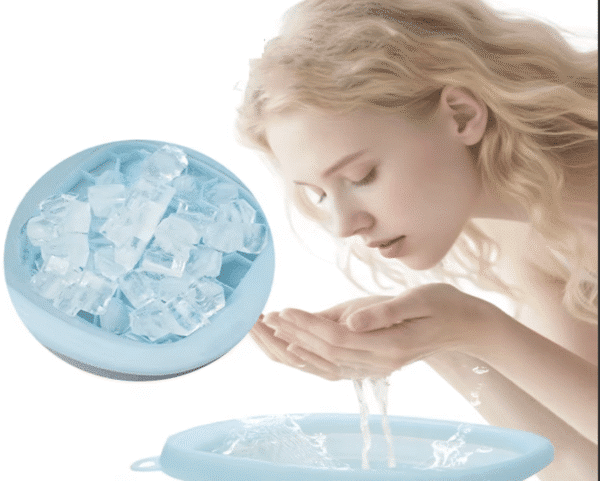
Starting your day by dunking your face in cold water might sound wild, but honestly, it feels amazing—and the health perks are legit. Across cultures, folks have used cold face plunges for centuries as a natural way to wake up and give their skin a boost.
A daily face plunge can reduce puffiness, tighten pores, boost circulation, strengthen immunity, and improve mental alertness in just 30 seconds. Cold water makes your blood vessels constrict, which means less swelling and redness.
When your face warms up again, fresh blood rushes back in, delivering nutrients straight to your skin. It’s like a mini facial—except you can do it every morning, no spa required.
Cold water exposure kickstarts white blood cell production, giving your immune system a little nudge. Plus, it triggers noradrenaline, a chemical that helps you focus and keeps stress in check.
A daily face plunge is exactly what it sounds like: dunking your face in cold water for 10-30 seconds. This simple ritual triggers the mammalian dive reflex—yep, we all have it—and delivers many of the same perks as a full-body cold plunge.
When cold water hits your face, your body’s dive reflex kicks in. Your heart rate slows, and blood flow shifts to your core organs—pretty wild, right?
Facial blood vessels clamp down fast, which calms swelling and inflammation. As you warm back up, those vessels open, flooding your skin with fresh blood.
Temperature Range: Most people stick with water between 50-60°F (10-15°C). If you’re new, you might want to start at 65°F and drop the temp as you get braver.

Duration Guidelines:
That jolt you feel? It’s your body releasing stress hormones like noradrenaline. Deep breaths before and after help you ride out the shock and keep things chill.
Face plunging is a gentler intro to cold therapy than plunging your whole body into an ice bath. Ice baths last 2-15 minutes in 50-59°F water, but a face plunge? You’re done in seconds.
| Method | Temperature | Duration | Difficulty Level |
|---|---|---|---|
| Face Plunge | 50-65°F | 10-30 seconds | Beginner |
| Cold Shower | 50-70°F | 2-5 minutes | Intermediate |
| Ice Bath | 50-59°F | 2-15 minutes | Advanced |
Forget fancy cryotherapy chambers that cost a fortune. Face plunging is free and gives you a solid chunk of the same benefits as those pricey treatments.
Surprisingly, face plunging triggers about 70% of the same body responses as a full-body cold plunge. Turns out, your face is loaded with nerve endings wired straight to your brain’s stress system.
If ice baths seem way too intense, face plunging is a great place to start. Build your tolerance here, and maybe one day you’ll be ready for the big leagues.
What You Need:
If you have any heart issues, definitely check with your doctor first. Cold shock can mess with your heart rate and blood pressure.
Don’t plunge right after eating or if you’ve had alcohol. Wait at least 30 minutes after a meal. Alcohol and cold water are not a fun mix for your body.
How to Prep:
Start with shorter, warmer plunges. Over a few weeks, go colder and stay in a little longer. If you feel dizzy, get chest pain, or can’t breathe, stop right away.
If you’re pregnant or have an eating disorder, skip face plunging. The stress response isn’t worth the risk.
Cold face plunges give you instant skin tightening and set off a cascade of good-for-you nervous system responses. They can lift your mood, reduce inflammation, and even help with anti-aging goals. Not bad for 30 seconds in the sink.
Cold water zaps swelling and puffiness in your face by making blood vessels clamp shut. That tight squeeze pushes excess fluid away from your skin’s surface.
As soon as you dunk, your body’s anti-inflammatory response kicks in. It’s like a reset button for irritated, puffy skin.
Inflammation-busting perks:
Cold water also wakes up your white blood cells, which help fight inflammation all over your body. Sensitive skin? You might notice the biggest difference—it’s like icing your whole face at once.
Cold water makes your pores look smaller and firms up your skin almost instantly. The cold contracts the tiny muscles under your skin, giving you a subtle lift.
As your face warms back up, blood flow surges, bringing oxygen and nutrients to your skin cells.
Instant skin wins:
Better blood flow means your skin repairs and renews itself faster. Over time, this can help your skin stay elastic and healthy—think of it as cardio for your face.
Face plunges unleash endorphins and norepinephrine—your body’s own feel-good chemicals. That cold shock wakes up your nervous system and puts you on high alert (in a good way).
You’ll probably feel more awake, and honestly, it’s a better jolt than coffee some mornings.
Mental perks:
Some studies say norepinephrine levels can skyrocket by over 500% after cold exposure. That’s a serious brain boost and can help keep the blues at bay.
As you recover, your parasympathetic nervous system takes over, helping you feel calm and relaxed after the initial shock fades.
Cold water encourages your body to make more white blood cells, which are your main line of defense against germs. Regular plunges can help you dodge colds and other bugs.
The temperature shock also keeps your blood vessels in shape. They get a workout from all the constricting and relaxing.
Circulation upgrades:
People who take cold showers miss fewer days of work due to illness—about 29% less, apparently. Face plunges won’t make you invincible, but they’re a good start.
Improved circulation can also help fade dark circles. More blood flow means less pooling under your eyes, so you look more awake.
Cold water can help your skin stay young by boosting collagen and keeping it elastic. That shock to your system signals your cells to repair and renew themselves.
It’s a free, easy addition to any skincare routine. You’ll see instant results, and it works well with your other favorite anti-aging products.
Anti-aging benefits:
Cold water preserves your skin’s natural oils but still gets rid of extra sebum. That balance keeps your skin healthy without drying it out.
It also protects your skin’s elastin fibers, which help your face bounce back from every smile and frown. Not bad for a quick dunk, right?
People who stick with daily face plunges or cold showers often say they look younger than their age. Maybe it’s the circulation, maybe it’s the glow—either way, it works.
Getting the timing right and prepping your skin can make a big difference. Some skincare ingredients love cold therapy, but others? Not so much—skip them right before or after plunging.
Morning plunges are a game-changer if you want energy and less morning puffiness. That cold splash fires up your blood flow and makes you look more awake.
Most people get results with 3-5 plunges a week. If you have oily or acne-prone skin, daily is fine. For sensitive skin, start every other day and see how it goes.
Begin with 30-60 seconds per session. If you’re feeling brave, work up to 90 seconds—but don’t force it.
Evening plunges can help you wind down, but try to finish at least two hours before bed. Otherwise, you might find yourself too wired to sleep.
Skip the plunge if you have breakouts, cuts, or irritated skin. Cold water can make these issues worse.
Before you plunge, wash off all makeup and use a gentle cleanser. Oil-based products block the cold from doing its thing.
Fill a bowl with 50-60°F water and toss in some ice cubes. Don’t go colder than 45°F—your skin isn’t a polar bear’s.
During the plunge, close your eyes and breathe through your nose. Holding your breath just adds stress, so keep it steady.
Pat your face dry right after with a clean towel. Don’t rub—cold skin is extra sensitive.
Moisturize within a minute of drying off. Cold water can mess with your skin’s moisture barrier, so hydration is key.
Hyaluronic acid serums hit differently after face plunges. The cold helps these serums sink in and gives a nice hydration kick.
Skip retinoids or AHA/BHA acids for at least four hours after a plunge. These can make your skin extra sensitive, and the cold just adds fuel to the fire—hello, redness and irritation.
Vitamin C serums and morning face plunges? That’s a power couple. Antioxidants plus a cold jolt get your circulation buzzing.
Niacinamide is a real MVP for calming post-plunge redness. It soothes inflammation, which is great if your skin tends to overreact.
Steer clear of alcohol-based toners right before or after plunging. That combo dries you out fast—think flaking, irritation, the works.
Ceramide moisturizers are clutch for aftercare. They help patch up your skin barrier and lock in every bit of moisture the cold might have chased away.
Face plunges don’t work like full-body cold exposure. They’re not for everyone, either.
It helps to know the risks and who should probably just sit this one out.
If you’ve got heart disease, high blood pressure, or circulation issues, face plunges can be risky. Sudden cold is no joke for those conditions.
High-risk groups include:
The diving reflex from cold water can slow your heart rate by 10-25%. That’s a big shift, and your cardiovascular system feels it.
If you deal with panic disorders, you might find the shock overwhelming. It can trigger anxiety attacks for some.
Anyone with open wounds or serious skin issues should wait until things heal up. Cold water can make inflamed skin even angrier.
Face plunges fire up the diving reflex. Full-body cold plunges? They light up brown adipose tissue, which burns calories for warmth.
Face plunges are quick—about 60 seconds—and are more about mental perks. Full-body plunges last 2-15 minutes and amp up your metabolism.
Key differences:
Both methods toughen you up mentally and help with stress. That’s pretty cool, right?
Face plunges win on convenience. All you need is a sink and some cold water—no fancy setup required.
Some people get fancy and add breathing techniques. The Wim Hof method, for example, mixes controlled breathing with cold for an extra boost.
Research says cold exposure can spike norepinephrine by 200-300%. That means sharper focus and a better mood for hours afterward.
Advanced protocols include:
Regular cold exposure might actually increase brown fat by 45%. That’s the stuff that burns calories to keep you warm.
Some folks toss in ice cubes to go colder. Others try contrast therapy—switching between cold and warm water for a different vibe.
Timing matters, apparently. Mornings are best for feeling alert, while evenings might help you sleep better by cooling things down.
People have a ton of questions about daily face plunges. Is it safe? What’s the best time? Let’s tackle the big ones.
Cold water makes facial blood vessels tighten up right away. That cuts down puffiness and calms inflammation fast.
Once your face warms up again, blood flow rebounds and brings more oxygen and nutrients to your skin cells. That’s a nice little bonus.
The temperature shock can even kickstart collagen production. Collagen keeps things firm and helps smooth out fine lines.
Cold water also shrinks pores for a few hours, giving your skin a smoother look. Who doesn’t want that?
Cold water slows down oil production for a bit. Less oil means fewer clogged pores, and that’s good news if you’re fighting acne.
The anti-inflammatory effect helps calm angry pimples. Redness and swelling fade, at least temporarily.
If you’ve got severe acne, though, talk to a dermatologist first. Some skin conditions can get worse with extreme temps.
Cold water also helps wash away bacteria and gunk from your pores. That can help prevent new breakouts.
Most people can handle daily face plunges just fine. If your skin is healthy and you’re not overdoing it, you’re good.
If you have heart problems, circulation issues, or extreme cold sensitivity, check with your doctor first. Better safe than sorry.
Keep the water between 50-60°F. Going colder than that every day could actually hurt your skin.
Stick to 30-60 seconds per session. Anything longer ups your risk for irritation or even frostbite-like injuries. Yikes.
Morning plunges give you an instant energy jolt. The cold wakes you up and clears your head for the day.
Evening plunges, on the other hand, can help you sleep better. The relaxation after the shock helps your body wind down.
Morning is best if you want to fight puffiness and eye bags. That anti-inflammatory effect really comes through.
If your skin’s sensitive, evenings might be better. You’ve got all night to recover from any redness or irritation.
Too much cold can dry your skin out. If you’re already prone to dryness, you might see some flaking or tightness.
People with rosacea or super sensitive skin might notice more irritation. The cold can set off inflammation in those cases.
Broken capillaries can pop up if you go too hard with the cold. You’ll see tiny red lines, especially around your nose and cheeks.
Some folks get headaches or sinus pain after a plunge. That sudden chill can mess with blood vessels in your head.
Most folks find that 15 to 60 seconds does the trick. If you’re new to this, try starting at 15 or 20 seconds—there’s no need to rush.
Going past a minute? Honestly, it’s just not worth it. More time won’t give you extra benefits, but it might annoy your skin or cause weird reactions you don’t want.
Your face should get numb, but not hurt. If you feel sharp pain, either the water’s way too cold or you’ve stayed in too long—time to bail.
Here’s a fun tip: take three deep breaths while your face is in the water. That’s usually the sweet spot—long enough to get the perks, short enough to avoid any drama.