Newsletter Subscribe
Enter your email address below and subscribe to our newsletter

Enter your email address below and subscribe to our newsletter
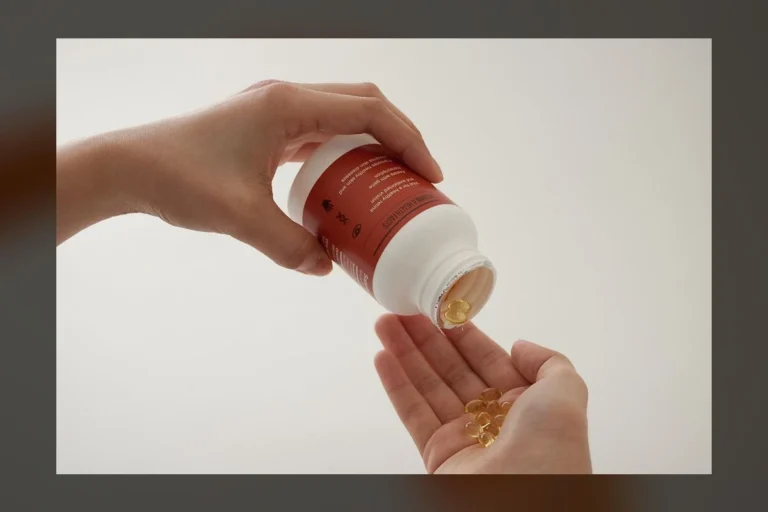
Anti-aging pills are a booming business, but new research suggests popular NAD+ boosters might accelerate tumor growth. Is eternal youth worth the cancer risk?
Forget eternal youth. Your trendy anti-aging pills might be feeding a monster: cancer. This isn’t some fringe theory; it’s a stark warning the wellness industry doesn’t want you to hear, especially not when the global anti-aging market is projected to hit a staggering $422.8 billion by 2030.
The core fact is chilling. Recent research indicates that certain popular anti-aging supplements, specifically those boosting NAD+ levels, can accelerate tumor growth and make cancer cells resistant to treatment. This isn’t about scare tactics. This is about what happens inside your body when you pump it full of compounds without fully understanding the consequences.
For years, biohackers and longevity gurus have pushed NAD+ boosters like NMN (Nicotinamide Mononucleotide) and NR (Nicotinamide Riboside). They promise cellular repair, increased energy, and a reversal of aging. Sounds great, right? But the science is getting darker, and frankly, a lot more inconvenient for the self-proclaimed prophets of eternal youth. Studies suggest these compounds, while potentially beneficial for healthy cells, act like rocket fuel for existing cancer cells. They don’t just grow faster; they become tougher to kill.
This isn’t a minor side effect. It’s a fundamental biological mechanism. Cancer cells are greedy. They hijack cellular pathways to grow uncontrollably. NAD+ is vital for these pathways. By flooding your system with NAD+ precursors, you could be inadvertently supercharging dormant cancer cells, or even making active tumors untreatable. Think about that next time you pop a pill hoping to look younger. Is a wrinkle-free forehead really worth the risk of an untreatable tumor?
The backlash is immediate, predictable, and frankly, tiresome. The internet is ablaze with outrage. Biohackers and wellness warriors are screaming “fear-mongering!” They claim this is a coordinated attack by Big Pharma to protect their chemotherapy profits. It’s the same old song and dance: any scientific finding that challenges the lucrative supplement narrative is immediately branded a conspiracy.
Users on Reddit’s r/longevity and r/NMN are dismissing the findings. They call it a “hit piece,” citing mouse studies as “irrelevant to humans.” They argue supplements are safe for healthy people, only risky during chemo. One top comment, with 10,000 upvotes, reads: “David Sinclair popping NMN daily at 55, looking 40—where’s his pancreatic tumor? Funded by Big Pharma to protect chemo cash cow.”
This level of denial is astounding. When inconvenient truths emerge, the default response from the wellness crowd is always to shout “conspiracy!” Are we to ignore scientific findings because they threaten someone’s supplement stack? This isn’t about protecting pharmaceutical giants; it’s about protecting consumers from potentially fatal choices based on wishful thinking and poorly regulated marketing.
The anti-aging market is a $60 billion industry, projected to balloon even further. It thrives on hope and promises, often peddling a fantasy of immortality. But what if those promises come with a hidden, deadly cost? The idea that these “miracle” supplements could turn against you is terrifying. It forces a hard look at the entire biohacking movement, which often prioritizes anecdotal evidence and celebrity endorsements over rigorous scientific scrutiny.
The problem isn’t necessarily these compounds in isolation. It’s the unregulated, often irresponsible, way they’re marketed. Companies push these products with minimal human clinical data, relying instead on anecdotal evidence, cherry-picked mouse studies, and the cult of personality surrounding certain “longevity gurus.” This isn’t science; it’s snake oil with a slicker marketing campaign.
Why isn’t this information front and center? Because it challenges a lucrative narrative. It forces consumers to question everything they’ve been told by their favorite Instagram influencer or podcast host. And it could decimate the profits of countless supplement companies. The wellness influencers on X are quick to jump on the “grift alert” bandwagon. They accuse mainstream media of clickbait, pushing statins instead. “Natural B3 derivatives = cancer fuel? Lmao, tell that to every celeb on rapamycin stacks,” one influencer quipped. But what if those celebrities are unknowingly putting themselves at risk, and by extension, influencing millions to do the same?
The truth is, many cancer survivors are also using these supplements. A shocking 81% of survivors secretly take supplements, convinced their oncologists are “too dumb to notice interactions.” This isn’t just ignorance; it’s a dangerous defiance of medical expertise, fueled by a deep-seated distrust in conventional medicine and an almost religious belief in the power of “natural” remedies.
We’re not saying every anti-aging supplement is a death sentence. But ignoring the potential risks is pure recklessness. This isn’t about stopping people from seeking better health. It’s about demanding transparency and real science, not just the feel-good narratives that sell products. The narrative of “NMN saves lives, chemo kills” is a dangerous oversimplification. Cancer is complex. Aging is complex. And blindly ingesting compounds without understanding their full impact is a fool’s game, especially when your life is on the line.
Are you willing to risk feeding a silent killer just to shave a few years off your appearance? It’s time to stop chasing immortality at any cost. It’s time to demand better science and hold the supplement industry accountable for the claims they make and the products they sell. Your life might depend on it, and frankly, a healthy dose of skepticism is the best anti-aging supplement you can take.
Photo: Photo by colindunn on Openverse (flickr) (https://www.flickr.com/photos/31192024@N05/4397922637)
Source: Google News