Newsletter Subscribe
Enter your email address below and subscribe to our newsletter

Enter your email address below and subscribe to our newsletter
NFL player salaries in 2025? Absolutely wild. Top stars are now pulling in tens of millions every year. The league’s salary cap keeps ballooning, which means teams can throw even bigger bags at their most valuable guys.
Quarterbacks rule the highest-paid list, no shock there, but you’ll spot some elite talent at other positions cashing in too. The 25 highest-paid NFL players in 2025 earn anywhere from $22 million to a jaw-dropping $60 million per year, with Dallas Cowboys quarterback Dak Prescott sitting at the very top.
These numbers reflect both what the players do on the field and how much their teams want them around. You’ll find quarterbacks, wide receivers, running backs, tight ends, and some defensive monsters who all scored monster deals thanks to their skills and impact.
Dak Prescott? He’s now the highest-paid player in NFL history. The Cowboys quarterback inked a four-year, $240 million contract right before the 2024 season kicked off. That’s $60 million per year—never seen that before in the league.
Prescott’s deal includes $231 million guaranteed. He also snagged an $80 million signing bonus the moment he signed. The Cowboys wrapped up the agreement just hours before their opener against the Browns. Talk about dramatic timing.
This extension locks Prescott in Dallas through 2028. His deal leapfrogged contracts signed by Joe Burrow, Trevor Lawrence, and Jordan Love. Prescott’s contract just left theirs in the dust.
For 2025, Prescott’s base salary is $2 million. Add a $45.75 million restructure bonus and a workout bonus just shy of nine grand. His cap hit? A league-high $50.5 million. Ouch.
The dead cap on his contract? $180.5 million. The Cowboys put all their chips on Prescott here. Moving on from him during this contract would be next to impossible.
Prescott’s been the Cowboys’ guy since 2016. Remember his rookie year? He grabbed Offensive Rookie of the Year and hasn’t looked back. He’s steady, reliable—exactly what Dallas needs under center.
Before 2024, Dallas barely dipped their toes into free agency. They doubled down on their core instead. After handing CeeDee Lamb a $160 million deal, it was time to secure their QB.
The extension came after months of negotiating. Both sides went back and forth, but they finally hammered it out on game day. Guess the Cowboys really didn’t want any distractions.
Prescott’s $60 million per year sets a new bar for NFL contracts. That’s the average annual value, and it’s a statement about his value to the Cowboys.
He’s now the highest-paid player at any position. No one else, offense or defense, is even close. Quarterbacks just keep winning the salary race in pro football.
Jerry Jones, the Cowboys’ owner, went big here. The team clearly sees Prescott as their ticket to a championship. The contract’s size says it all—they’re all-in on Dak.
Prescott’s earnings aren’t just salary. Bonuses and incentives pad his total compensation. That huge restructure bonus in 2025? It’s the main reason his earnings spike that year.
The $231 million guaranteed gives Prescott serious financial security. It protects him if he gets hurt or if the team’s front office changes direction. That’s one of the highest guarantees in NFL history.
This contract definitely affects Dallas’s roster-building. The massive cap hit limits what they can do in free agency. They’ll have to get creative to keep a strong team around Prescott.
Prescott’s been consistent year after year. He’s led Dallas to the playoffs more than once. Statistically, he’s right up there with the league’s top QBs.
Leadership matters, too. Prescott’s the face of the franchise and a locker room leader. Dallas clearly values those intangibles enough to pay big.
Now, with the extension done, the speculation about his future is over. Fans and the team finally have clarity. No more “Will he, won’t he?” drama.
Other teams? Oh, they paid attention. Prescott’s deal just set a new standard for quarterback contracts. Agents will be referencing this one for years.
$60 million a year for a QB seemed like a fantasy not long ago. But with the salary cap and team revenues climbing, here we are. The numbers just keep going up.
Nick Bosa signed a five-year, $170 million extension with the 49ers in 2023. For a moment, he was the highest-paid defensive player ever. But Prescott’s contract blew right past Bosa’s annual value.
The Cowboys have gone all-in on offense. Between Prescott and Lamb, they’ve shelled out hundreds of millions. Clearly, they’re building around elite talent on that side of the ball.
Quarterback is still king in the NFL. If you want to win, you need a star under center. Prescott’s deal just proves the point again.
He’ll have to live up to the price tag, though. Dallas expects playoff wins—and maybe a Super Bowl. The pressure on Prescott? Never been higher.
The contract has some clever mechanisms to manage the cap hit. Restructures and bonuses help spread out the pain. Dallas is trying to stay competitive while paying Prescott top dollar.
Prescott signed this extension at age 31, so he’s set through his mid-30s. Four years feels like a good window—enough time, but not forever. The Cowboys can reassess when it’s up.
This contract’s ripple effect is huge. Other QBs will chase similar deals. Every big signing pushes the market just a little higher.
Fans in Dallas? Mixed feelings. Some are thrilled to keep their franchise QB. Others worry there won’t be enough cash left for the rest of the roster.
It’s a snapshot of today’s NFL economics. TV money and new revenue streams have driven up team values and the salary cap. That’s how we end up with contracts like this.
Prescott’s off-field earnings aren’t too shabby, either. He’s got endorsement deals and business ventures. Being the NFL’s top earner only boosts his brand.
The Cowboys have always paid for star power. Jerry Jones isn’t shy about spending. Prescott’s deal fits right into that tradition.
Workout bonuses and incentives are sprinkled throughout the contract. They might seem small, but over four years, they add up. Prescott gets rewarded for staying in shape and hitting team goals.
The guaranteed money? That’s the real cushion. While the total value grabs
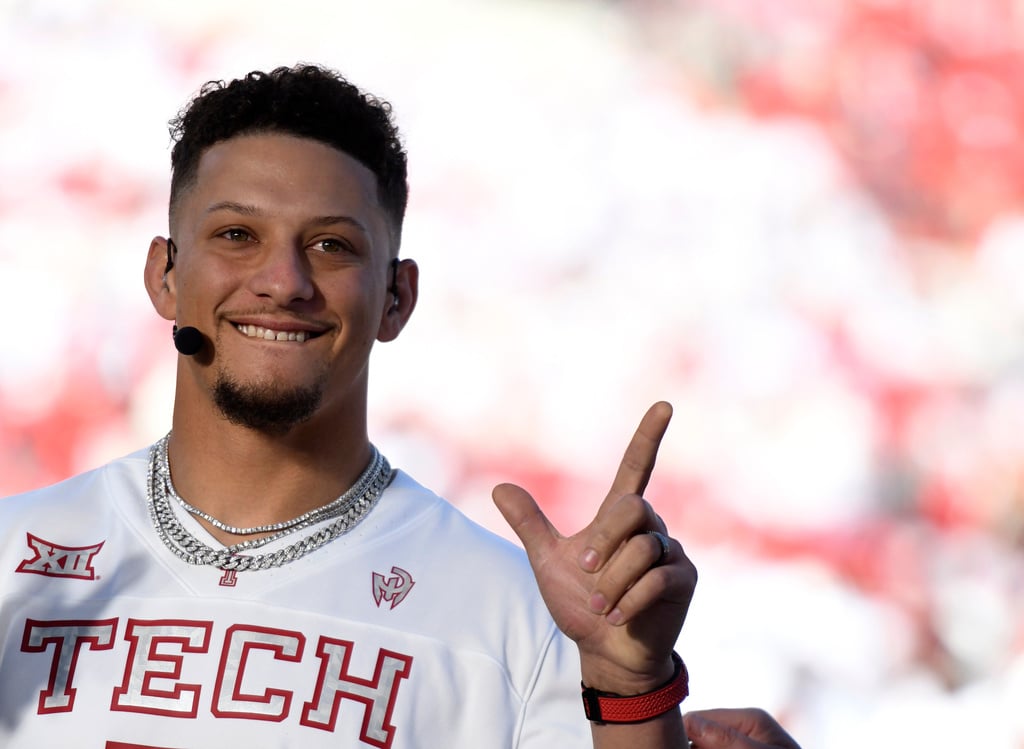
Patrick Mahomes? Still right up there with the NFL’s highest earners. The Kansas City Chiefs gave him a contract that basically rewrote the playbook on big-money deals.
Back in 2020, Mahomes inked a 10-year extension worth $450 million. That’s not just a lot—it smashed league records for both cash and length.
This monster contract runs through the 2031 season. That’s a decade of Mahomes magic in Kansas City (well, if he wants it).
But the deal’s structure? It’s weirdly unique, even by pro football standards. If you stretch it over the full ten years, he averages $45 million a season.
In 2023, the Chiefs decided to shake things up and restructured the contract. They paid Mahomes $210.6 million over just four years starting in 2023.
That’s the most any player has ever raked in over four seasons in NFL history. The Chiefs basically front-loaded the agreement, getting Mahomes his money faster.
And Mahomes isn’t just cashing checks from the Chiefs. Forbes counts his salary and all those endorsement deals—he’s everywhere.
He’s got big-name partnerships with brands across all sorts of industries. You’ve probably seen him in a commercial or two—State Farm, anyone?
On the field, Mahomes has three Super Bowl rings with the Chiefs. He won in 2020, 2023, and again in 2024. That’s dynasty stuff.
His Super Bowl wins have made him even more marketable. It’s almost unfair how much his star keeps rising.
Mahomes also boasts multiple MVP awards. He took home the NFL MVP in 2018 and 2022, plus three Super Bowl MVPs.
His contract is loaded with incentives and performance escalators. The Chiefs made sure to include clauses that protect him if the salary cap changes.
That way, his pay stays competitive as the NFL’s revenue machine keeps growing. Smart move, honestly.
The Chiefs built the deal to keep their roster flexible. Even with Mahomes’ gigantic contract, they’ve managed to keep other stars around.
That balance has helped Kansas City stay on top and chase more championships. It’s not easy, but they’re making it work.
Mahomes’ $450 million deal is still the biggest total in NFL history. But if you look at annual averages, newer quarterback contracts have started to leapfrog his.
Teams now seem to prefer shorter contracts with higher yearly pay. That gives players more chances to renegotiate as the cap climbs.
Mahomes’ influence goes way beyond just football. He’s boosted the Chiefs’ brand, ticket sales, and even their national profile.
Merchandise flies off the shelves since Mahomes became the starter. It’s wild how much one player can change a franchise’s fortunes.
His playing style? Electric. He combines a cannon arm with crazy mobility, and he can throw from just about any angle.
That unpredictability gives defenses headaches. Seriously, how do you stop him?
The Chiefs drafted Mahomes 10th overall in 2017. He spent his rookie year learning behind Alex Smith, then took over as starter the next season.
Since 2018, he’s turned the Chiefs into perennial contenders. Six straight AFC Championship appearances, four Super Bowl trips—it’s a run fans could only dream about before.
Mahomes’ contract has no-trade clauses, so he controls his future. The Chiefs can’t move him without his say-so, which is pretty standard for top-tier QBs.
Over time, the guaranteed money in his deal has grown thanks to restructures. The Chiefs keep converting salary into signing bonuses, giving Mahomes more upfront cash and freeing up cap space.
His endorsement roster is stacked—State Farm, Adidas, Oakley, and more. Those deals add a serious boost to his yearly income.
Mahomes pops up in national ad campaigns all the time. You can’t miss him if you watch TV during football season.
He’s also a social media pro. Millions follow him, and he’s pretty active online, which only increases his brand value.
That kind of engagement draws in even more sponsors. It’s a feedback loop of fame and fortune.
Teammates and coaches rave about his leadership. Mahomes never seems rattled under pressure, and he’s engineered more than a few playoff comebacks.
Andy Reid’s offensive system lets Mahomes shine. The Chiefs’ playbook gives him freedom to adjust at the line and go for big plays.
Statistically, Mahomes is already among the NFL’s all-time greats. He hit 200 touchdown passes faster than anyone, and his career passer rating is over 100.
He’s been remarkably durable, too. Mahomes bounced back quickly from a 2019 knee injury and has played through all sorts of bumps and bruises.
His contract set the bar for future quarterback deals. Agents now use it as a starting point in negotiations for other stars.
The structure showed teams are willing to commit huge resources to elite quarterbacks. It’s changed how everyone approaches big contracts.
Mahomes’ play absolutely justifies the money. He consistently produces at an elite level and lifts everyone around him.
That ability to deliver in crunch time makes the Chiefs’ investment look like a bargain. Hard to argue with results.
The Chiefs’ financial commitment shows just how crucial the quarterback spot is. Locking up a franchise QB is the foundation for any team hoping for long-term success.
Kansas City’s willingness to spend big underlines their trust in Mahomes to keep leading them. It’s a huge vote of confidence.
The contract also leaves room for future tweaks. The Chiefs can restructure again if they need cap space down the road.
That flexibility helps them juggle other roster moves while keeping Mahomes happy. It’s a delicate balancing act.
Opposing teams always have to game plan specifically for Mahomes. Defensive coordinators lose sleep trying to contain him.
His ability to improvise outside the play structure forces defenses to stay disciplined. Good luck with that.
Mahomes is known for his work ethic, too. He’s a film junkie and usually one of the first guys at the facility.
He takes a hands-on approach to learning defenses, which shows up in how he reads the field. Preparation pays off, clearly.
His partnership with Travis Kelce is legendary. They’ve hooked up for over 70 touchdowns, and their chemistry is off the charts.
They might be one of the greatest QB-receiver duos ever. It’s just fun to watch.
Mahomes’ contract is a snapshot of the NFL’s financial boom. With TV deals and salary caps rising, teams can afford to pay superstars like never before.
His deal anticipated that growth, locking in big numbers while leaving room for even more down the line. Pretty savvy, honestly.
Off the field, Mahomes’ family is a big part of his public life. He’s married to Brittany, and they have kids together. His brother Jackson and mom Randi are also in the spotlight. His father Pat Mahomes—well, that’s a story for another day.
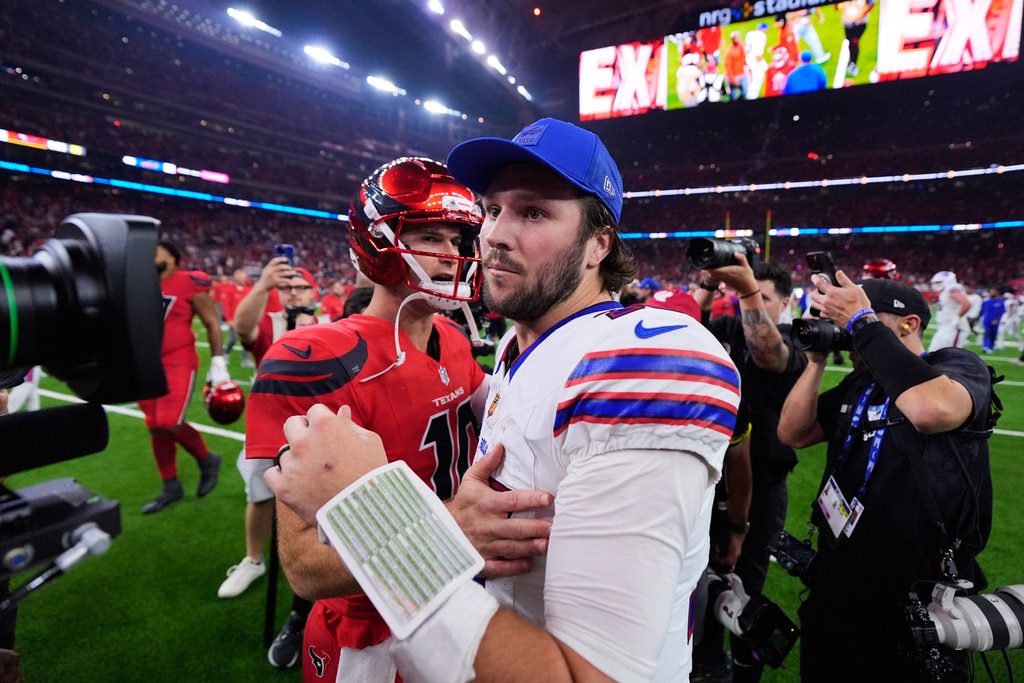
Josh Allen? Yeah, he’s right up there with the NFL’s top earners after his huge extension in 2025. The Bills locked him down with a six-year, $330 million deal.
That contract includes a mind-blowing $250 million guaranteed. When he signed, no one in the league had ever seen a guarantee that big.
Allen’s average salary clocks in at $55 million per year. He’s now tied to Buffalo through 2030, which is a huge win for the team and the fans.
The extension came right after Allen won the NFL MVP in February 2025. He still had four years left on his old deal, but the Bills weren’t about to risk losing him after that 2024 season.
ESPN’s Adam Schefter broke the news about the record-setting contract. That $250 million guarantee? It really set a new standard.
Allen’s new deal came with a $56.7 million signing bonus. For 2025, his base salary is just $1.26 million, but toss in the bonus and his cap hit jumps to $36.3 million.
At 28, Allen’s the face of the Bills. The contract reflects his value, and honestly, it’s hard to argue he hasn’t earned it.
Before the extension, Allen was only set to make $14.5 million for 2025. The Bills didn’t waste time bumping him up after that MVP campaign.
He worked with the team to structure the deal so Buffalo could stay competitive. That’s the kind of move that keeps a franchise in the hunt.
General Manager Brandon Beane played a big part in getting it done. The Bills’ front office made keeping Allen their top priority.
Now, Allen sits among the highest-paid players in league history. Only a handful of quarterbacks have ever signed deals with more total value or guarantees.
His play on the field made the investment a no-brainer. That MVP season was packed with big numbers and real leadership.
The $250 million guarantee gives Allen serious financial security for years. It was absolutely unprecedented at the time.
The Bills have made it clear: they’re building around Allen. They believe he’s their ticket to that elusive first Super Bowl.
Allen’s cap hit will shift as the contract goes on. The team designed the deal to help them manage the cap while still giving Allen his due.
The $56.7 million signing bonus gets spread out over the contract for cap purposes. That trick helps Buffalo pay other key players, too.
If the Bills tried to cut or trade Allen in 2025, they’d face a dead cap hit of $209.8 million. In other words, he’s not going anywhere.
The contract also includes incentives and bonuses beyond the base salary and signing bonus. Allen has plenty of ways to boost his earnings even more.
His deal reset the market for quarterbacks. Other stars are now using Allen’s contract as a baseline for their own negotiations.
Buffalo made sure to lock Allen up before he hit free agency. That move gave the team some much-needed stability at quarterback.
Allen’s contract eats up a significant chunk of the Bills’ salary cap. They’ll have to get creative with other roster decisions to stay under the cap.
Allen has said he wants to spend his whole career in Buffalo. This extension brings him a lot closer to that goal.
His steady improvement and leadership make him worth every penny. Since entering the league, Allen’s only gotten better—and he’s still trending up.
Negotiations between Allen’s reps and the Bills went pretty smoothly. Both sides wanted a deal, and they got it done without much drama.
At $55 million per year, Allen’s right at the top of the QB pay scale. Only a select few players in the league can say they earn more.
The Bills built in some flexibility for future years. That gives them room to keep building a contender around their star quarterback.
Allen’s MVP season proved he belongs among the league’s elite. The Bills responded with one of the richest contracts ever.
The massive guarantee also gives Allen protection if something goes wrong. Injury insurance was a big part of the talks for both sides.
Of course, future quarterback deals will probably leapfrog Allen’s numbers as the cap keeps rising. But for now, his contract is the gold standard.
The Bills are betting big because they see Allen as their best shot at a Super Bowl. That’s the kind of confidence you want in your franchise player.
His base salary increases as the contract goes on. That helps the Bills manage the cap now and still pay Allen what he deserves over time.
Once both sides got serious, the new deal came together fast. The Bills weren’t about to let Allen hit the open market.
Allen’s contract includes roster and workout bonuses on top of everything else. Those extras reward his commitment and keep him motivated.
Travis Kelce is one of the NFL’s highest-paid players in 2025, raking in $45 million each year. That figure comes from a blend of his Chiefs salary and a mountain of endorsement deals.
The Kansas City tight end has built a financial empire that stretches way past the end zone. In April 2024, Kelce inked a two-year extension with the Chiefs for $34.25 million.
That deal pays him $17.125 million per year through 2025. It followed his previous four-year, $57.25 million contract from 2020, which included $28 million guaranteed.
Kelce landed in Kansas City back in 2013 after going in the third round of the draft. His rookie contract? Just $3.12 million over four years.
His value skyrocketed as he became one of the most dominant tight ends in NFL history. Now, his NFL salary forms only the base of his income.
All told, Kelce’s annual earnings hit $45 million when you add in his endorsement portfolio and business ventures. He’s become one of the most marketable athletes in American sports.
Three Super Bowl rings haven’t hurt his brand appeal, either. Big brands love his personality and public profile—he’s the kind of guy who makes commercials fun to watch.
Kelce’s endorsement deals include partnerships with major national brands. These add a hefty chunk to his annual income, way beyond his NFL contract.
His visibility has really spiked in recent years, making him even more attractive to advertisers. The guy just pops off the screen, whether he’s on the field or in a TV spot.
His net worth is estimated at $90 million as of 2025. That’s more than a decade of NFL checks, plus some smart business moves.
He’s diversified his income streams for long-term security. On the field, Kelce still dominates at his position.
He’s stacked up Pro Bowl selections and All-Pro honors. No wonder he commands a high salary—he’s a key piece of the Chiefs’ offensive machine.
The Chiefs built their attack around Patrick Mahomes and Kelce. Their chemistry has produced highlight-reel touchdowns and shattered records.
This duo has fueled Kansas City’s dynasty in the 2020s. Kelce’s salary reflects his value as both a player and a leader.
He’s a veteran presence in the locker room and still puts up elite numbers on Sundays. The Chiefs see him as worth every penny.
He’s not just cashing checks from endorsements. Kelce has dabbled in media and other investments, setting himself up for life after football.
His celebrity status has only grown. High-profile relationships and media appearances have taken him beyond the sports bubble.
This broader recognition has unlocked even more lucrative opportunities. Kansas City made keeping Kelce a priority.
The team structured his contract to keep him in a Chiefs uniform while staying under the salary cap. The front office knows exactly how much he matters to their championship dreams.
His guaranteed money gives him financial security no matter what. NFL contracts for stars like Kelce always include big guaranteed portions.
The $45 million annual figure puts him among the NFL’s top earners. Usually, quarterbacks hog those spots, but Kelce’s total compensation shows just how valuable a superstar tight end can be.
He’s earned every dollar. Kelce has posted multiple 1,000-yard seasons and stayed remarkably healthy.
The Chiefs’ offense leans on him. He draws defenders, opening things up for everyone else, and his blocking adds another layer to his value.
When it comes to contract talks, Kelce and the Chiefs always find a number that makes sense. They’ve never hesitated to pay him what he’s worth.
His earnings stack up well against other top tight ends. Kelce’s annual salary and total compensation put him at or near the top of his position.
The market for elite tight ends has exploded, and Kelce has ridden that wave. His long run in Kansas City has worked out for both sides.
The team gets a franchise cornerstone, and Kelce enjoys stability and success. Not many players last this long with one team at such a high level.
His brand partnerships keep multiplying. Companies love his authenticity and his connection with fans.
Kelce’s social media gives sponsors direct access to millions. He’s also jumped into podcasting and content creation, building his personal brand while making extra income.
He’s shown business savvy by picking projects that fit his interests. Kelce’s approach is a model for other players—he’s squeezed every drop out of his earning potential.
The Chiefs’ investment in Kelce has paid off. Three Super Bowl wins speak for themselves.
His contract includes performance incentives on top of base salary. These bonuses reward him for continued excellence and team success.
Kelce’s earning timeline shows steady growth. Each contract has been a big step up, tracking his rise from rookie to superstar.
The tight end position has evolved, and Kelce’s dominance helped drive that change. Teams now pay top dollar for game-changing tight ends.
His $45 million in annual earnings covers salary, bonuses, and endorsements. That’s the full picture of his financial clout for 2025.
Kansas City’s front office has worked magic with the salary cap, keeping Kelce and other stars together. They’ve balanced big contracts and a competitive roster impressively.
Kelce keeps producing like a superstar. Age hasn’t slowed him down or dimmed his impact.
His contract runs through the 2025 season. After that? We’ll see—both sides will have some decisions to make.
Kelce’s marketability isn’t fading. He’s become a crossover star, and endorsement deals keep rolling in.
His financial advisors have helped him build wealth outside of football. Smart investments and business ventures create passive income streams for the long haul.
Forty-five million a year puts Kelce in rare company. Not many NFL players ever reach that level.
Aaron Rodgers was the first NFL player to hit a $50 million annual salary, back in his Green Bay Packers days. That deal really shook up how teams pay quarterbacks.
When Rodgers joined the New York Jets in 2023, his contract changed a lot. He signed a new three-year deal for $112.5 million, with $75 million guaranteed—a massive safety net.
The Jets handed Rodgers a $35 million signing bonus in 2023. Both his 2023 and 2024 base salaries came fully guaranteed.
He also got a $35 million guaranteed option bonus in 2024. For 2025, another $35 million option bonus waited in the wings.
His 2025 cap hit was set at $23.5 million, but if the Jets ditched him, they’d eat a $49 million dead cap hit. Ouch.
Rodgers arrived in New York with fans and management expecting big things. The Jets shuffled their roster and spent big to build a contender around him.
But after the 2024 season, the Jets and Rodgers split ways. The new league year made it official at 4 p.m.—the Rodgers era in New York was over.
The Jets got stuck with a $49 million dead cap hit after releasing him. That’s one of the biggest dead cap charges for a single player in NFL history.
Rodgers then signed with the Pittsburgh Steelers for 2025. His new deal? Just $13.65 million in base salary, with incentives that could bump it up to $19.5 million.
That’s a huge pay cut. Rodgers now ranks 22nd among NFL quarterbacks by annual salary under his Steelers contract.
The lower pay reflects his age and the awkward end to his Jets stint. Still, Rodgers has racked up enormous career earnings from his Packers and Jets contracts.
Breaking the $50 million barrier set a new standard for quarterbacks league-wide. His original Jets deal was packed with bonuses and guarantees to protect both sides.
The 2023 signing bonus landed upfront, and the guaranteed base salaries meant Rodgers got paid no matter what. Option bonuses gave the Jets some wiggle room with the salary cap.
They could exercise those bonuses based on the team’s needs or Rodgers’ performance. The setup was flexible, but things didn’t pan out as hoped.
Rodgers’ time with the Jets didn’t meet sky-high expectations. The team missed the playoffs, and management decided it was time to move on, even with the financial hit.
That $75 million in guaranteed money made his Jets contract one of the NFL’s safest at the time. It reflected his status as a proven veteran and Super Bowl champ.
Rodgers’ career has spanned decades, with most of his years spent in Green Bay. His MVP awards and consistent play always justified those monster paydays.
Switching from Green Bay to New York was a major shakeup for everyone involved. The Jets traded away draft picks and restructured his contract to fit their cap, all to keep his pay elite.
His $50 million salary influenced deals for other top quarterbacks. Teams started tossing around similar offers to keep their franchise guys happy.
The Jets’ investment in Rodgers went well beyond his direct pay. They added weapons on offense and bolstered the defense, all in on a Super Bowl run.
When it ended, both sides faced tough financial consequences. The Jets had to swallow the dead cap hit, while Rodgers took a big pay cut to keep playing in Pittsburgh.
His Steelers contract is a different story—$13.65 million base, with incentives for performance and team success. It’s what teams are willing to pay a veteran QB at this stage.
The difference between his Jets and Steelers deals shows how quickly things can change in the NFL. One year you’re the highest-paid, the next you’re taking a quarter of that.
Rodgers’ experience highlights the risks of guaranteed money for NFL teams. The Jets paid a heavy price when the partnership fizzled out.
Jalen Hurts locked in a five-year contract extension with the Philadelphia Eagles in 2023, worth a jaw-dropping $255 million. That agreement instantly vaulted him into the ranks of the highest-paid quarterbacks in NFL history.
He scored $179.3 million in guaranteed money, with $110 million fully guaranteed for cap, injury, and skill. That’s a wild amount of security, and it shows just how much the Eagles want Hurts as their cornerstone.
At the time he signed, Hurts briefly wore the crown as the league’s highest-paid quarterback at $51 million per season. That number edged out Russell Wilson’s deal by $2 million each year and locks Hurts in through 2028.
Born August 7, 1998, Jalen Alexander Hurts commands the huddle for the Philadelphia Eagles. His college journey included both Alabama and Oklahoma—pretty unusual, right?
Hurts’ meteoric rise to the top tier of NFL earners happened fast. The extension came after he led the Eagles to a 14-3 record in 2022 and a trip to Super Bowl 57.
That season, Hurts proved he could guide a legit championship contender. The contract’s average annual value lands at about $51 million, though the real cap hit and cash flow can swing depending on the year.
NFL contracts are a maze—signing bonuses, roster bonuses, all sorts of incentives can shift annual earnings. Hurts’ guaranteed package is one of the largest ever for an NFL player.
The $179.3 million guarantee screams, “We’re all-in on this guy.” Teams don’t throw around that kind of cash unless they’re convinced they’ve found a franchise QB.
Hurts’ deal set a fresh market standard for quarterbacks, at least until the next megadeal dropped. The QB market just keeps climbing, and why wouldn’t it? That position drives everything in pro football.
The Eagles doubled down, pouring resources into their offensive line and skill positions. If you’re paying top dollar for a quarterback, you’d better protect him and give him weapons.
Hurts isn’t just a passer—he’s a dual-threat, slicing defenses with his legs and arm. He’s put up rushing numbers that most QBs only dream about, and that versatility is gold in today’s NFL.
His contract includes performance incentives and bonuses that can bump his pay above the base salary. Workout bonuses, roster bonuses, little extras—NFL deals are full of these quirks.
Even with new deals popping up, Hurts’ $51 million average keeps him in the top tier of quarterback pay. The market shifts, but he’s still right there among the elite.
The Eagles made their priorities obvious—they want Hurts leading the way for years. Every NFL team faces tough calls about cap space, but investing in a quarterback is the norm.
So far, Hurts has backed up the investment with production. He keeps improving as a passer while staying dangerous as a runner.
He’s shown a knack for coming through in big moments, which keeps the Eagles in the NFC hunt. The contract gives the Eagles some roster-building stability, even if it limits flexibility down the road.
Long-term deals like this let the front office plan around known quantities. It’s a trade-off: stability for less wiggle room in the future.
Hurts’ contract includes no-trade clauses and other player-friendly terms. These perks give him some control over his future—something top QBs are getting more often these days.
The timing of the extension worked out for both sides. The Eagles locked in their guy before prices could climb even higher, and Hurts secured generational wealth early in his career.
He now sits among the highest-paid athletes in American sports. The NFL’s booming revenue—thanks to monster TV and sponsorship deals—fuels these contracts.
Of course, Hurts’ contract eats up a hefty chunk of the Eagles’ salary cap. Managing that cap while fielding a contender is a puzzle every team with a superstar quarterback faces.
His financial success reflects a bigger trend: top quarterbacks keep resetting the market. The position’s importance justifies the sky-high salaries.
Media coverage of Hurts’ negotiations was everywhere. Fans and analysts debated whether the deal was too rich, but most agreed it matched the going rate for a franchise QB.
The guaranteed money means Hurts gets paid no matter what—performance or injury. NFL contracts aren’t always fully guaranteed, so $179.3 million locked in is massive.
His annual football earnings dwarf what most folks make in a lifetime. The NFL’s business model justifies these paydays for star players who drive revenue.
The Eagles’ big bet on Hurts signals they’re aiming for another Super Bowl run. Teams pay up for quarterbacks they think can deliver a championship.
Hurts’ contract will ripple through future negotiations across the league. Agents and teams use these deals as benchmarks, so every new contract shifts the landscape.
The deal’s structure uses all the usual NFL tricks: signing bonuses, roster bonuses, salary tweaks, you name it. These moves help teams manage the cap while paying their stars.
Off the field, Hurts cashes in on endorsements and sponsorships. High-profile QBs attract plenty of marketing dollars—his brand just adds to his fortune.
The five-year term offers both sides some certainty. Teams like to spread cap hits over longer deals, while players want job security. It’s always a balancing act.
Hurts’ contract really captures the modern NFL’s wild financial landscape. As league revenues soar and the cap rises, player salaries just keep climbing.
Russell Wilson’s contract saga with the Denver Broncos has been one of the juiciest stories in recent NFL memory. The nine-time Pro Bowler landed in Denver in March 2022 after a blockbuster trade that left fans and analysts buzzing.
Denver didn’t just trade for Wilson; they gave up two first-round picks, two seconds, a fifth, and three players. That’s a massive haul, and it showed the Broncos were desperate to win now with a proven star.
Back in April 2019, Wilson signed a four-year, $140 million extension with Seattle, making him the NFL’s highest-paid player at the time. When Denver brought him in, everyone knew another extension was coming—otherwise, that trade package would’ve looked even crazier.
The Broncos could have kept Wilson on a $24 million salary in 2022 and faced a non-guaranteed $27 million in 2023. Instead, they went all-in with a huge extension, a decision that would haunt them soon enough.
Let’s be honest—Wilson’s first season in Denver was rough. The consistency he showed in Seattle just didn’t translate, and he couldn’t find his groove in the Broncos’ offense.
The team finished 2022 with a record that left fans frustrated and analysts scratching their heads. Wilson’s performance drew plenty of criticism, and people started to wonder if he’d lost his magic.
“He was terrible last year and Denver underperformed massively so the criticism is totally justified,” one NFL observer said, and honestly, it’s hard to argue. When you’re making top-five money, expectations skyrocket.
The financial commitment to Wilson became a hot topic. Even after the Broncos and Wilson agreed to split, Denver still owed him $39 million for the next season—a dead cap hit for the ages.
All that guaranteed money put Denver’s front office in a bind. They wanted to move on, but the contract made it nearly impossible without swallowing a mountain of dead cap.
Wilson’s $47 million average per year keeps him among the league’s top-paid players. That price tag reflects his Super Bowl pedigree and the premium for veteran quarterback talent.
The quarterback market went nuclear before Wilson’s Denver extension. Teams hungry for elite QBs had to pay up, and Denver wasn’t shy about spending big in hopes of finding their answer.
Wilson’s resume in Seattle? 113 regular season wins, nine playoff victories, two Super Bowl appearances, and one Lombardi Trophy. That’s the kind of history that commands a monster contract.
But the gap between his Seattle glory and Denver struggles became a constant talking point. Was it the offensive scheme? Did Wilson’s skills start to fade? The debate raged on.
His contract complicated trade talks and roster moves. That giant cap hit left the Broncos with little flexibility to build around him.
Wilson’s deal included performance incentives and bonuses meant to reward success. But the guaranteed money made it tough for Denver to move on when things soured.
His salary ate up about 20% of the Broncos’ cap space—a huge chunk. That left less to spend on other positions, which is always a tricky balancing act.
Social media blew up with takes on Wilson’s struggles and contract. Some fans blamed the roster, others pinned it on the quarterback—it was chaos.
The Denver saga showed the risks of trading big assets for a veteran QB. When Wilson didn’t deliver, the Broncos had few options and a ton of regret.
Despite all the drama, Wilson’s career earnings show how much teams value proven quarterbacks. Past success still gets you paid in the NFL, even if the present doesn’t always match up.
The $47 million average comes from base salary, signing bonuses, and other guarantees. These deals are complex, with lots of moving parts beyond just the headline number.
Wilson’s Denver experience became a cautionary tale—big contracts don’t guarantee big results. Even stars can flop if the fit isn’t right, and the money only magnifies the scrutiny.
The Broncos were betting on Wilson’s experience and leadership. Sometimes, teams prefer a known quantity over rolling the dice on a rookie, even if it’s risky.
Denver’s choice to extend Wilson rather than ride out his old deal showed their desperation for stability. They’d cycled through quarterbacks since Peyton Manning and hoped Wilson was the answer.
The guaranteed money—over $100 million—meant Denver couldn’t bail without absorbing a massive cap hit. Both sides were locked together, for better or worse.
Wilson’s intangibles—leadership, work ethic—factored into Denver’s calculations. Teams pay for more than just arm talent, after all.
His $47 million salary matches the going rate for veteran QBs these days. The market keeps climbing as the cap rises and the demand for top-tier talent never lets up.
Joe Burrow inked a five-year, $275 million extension with the Cincinnati Bengals in September 2023. That contract shot him into the stratosphere of NFL salaries, making him one of the highest-paid players ever.
The deal guarantees Burrow a jaw-dropping $219.01 million. At the time, no other player in league history had seen that much guaranteed money.
His average annual value? $55 million. That’s not just a number—it’s a statement to every quarterback in the league.
For 2025, Burrow’s cap hit lands at $46.1 million. That’s about 16.5% of the Bengals’ total salary cap, which honestly feels wild for one player.
The Bengals didn’t hesitate—they locked him up just before the 2023 season kicked off. After Burrow dragged them to the Super Bowl in 2021 and deep into the playoffs in 2022, how could they risk losing him?
At signing, Burrow walked away with $146.51 million guaranteed. The Bengals cleverly structured the contract to spread out the financial pain, giving themselves some flexibility to build a contender around him.
He earned every cent. In 2021, Burrow threw for over 4,475 yards and led the Bengals on their wild Super Bowl run. In 2022, he matched that yardage and racked up 35 touchdowns.
By November 2024, Burrow’s net worth hit an estimated $50 million. Not bad for a guy who also cashes in on endorsements with some pretty big brands.
This payday didn’t come easy. Burrow tore his ACL and MCL as a rookie in 2020, which could’ve derailed everything. Instead, he bounced back stronger, basically daring the Bengals not to invest in him.
Burrow’s extension triggered a domino effect—other teams scrambled to match or top his deal. Suddenly, quarterback salaries everywhere started to climb.
That guaranteed money? It’s a safety net. Even if the unthinkable happens and Burrow’s career ends early, he still gets most of that cash. Quarterbacks take plenty of hits, so this kind of protection really matters.
Barely anyone in the NFL makes more than Burrow. For the 2025 season, he’s firmly in the top 10. His contract proves just how much he means to the Bengals.
The Bengals didn’t just see Burrow as a player—they saw him as the key to changing their entire franchise. From doormat to Super Bowl threat, all in a few seasons? That’s not luck.
Performance incentives and bonuses sweeten the deal. If Burrow hits certain milestones—playoff wins, passing yards, MVP chatter—he can pad his wallet even more.
Of course, there’s a tradeoff. Burrow’s salary means the Bengals have to get creative with the rest of their roster. Balancing a superstar quarterback’s contract with a competitive team isn’t easy.
When Burrow was still on his rookie deal, the Bengals loaded up on talent. But once that extension kicked in, tough choices followed. Some key players left in free agency because the cap just wouldn’t stretch far enough.
But let’s be honest—Burrow’s play justifies every penny. He delivers in the biggest moments and keeps Cincinnati in the playoff hunt year after year.
His contract runs through 2029, giving the Bengals rare stability at quarterback. That’s the kind of security most franchises only dream about.
His $45 million average salary for 2025 fits the going rate for elite QBs. Sure, a few guys have edged him out since, but he’s still right there at the top. The market just keeps inflating as TV deals and revenues explode.
The Bengals used signing and roster bonuses to spread out the cap impact. It’s a bit of a financial juggling act, but so far, it’s working.
Burrow also negotiated no-trade clauses and other protections into the deal. That gives him serious control over his own destiny—he can’t just be shipped off without his say-so.
All this money shows how much the Bengals believe in Burrow’s leadership. He’s the face of the franchise, on the field and off. Fans love him, sponsors love him, and honestly, it’s hard not to root for the guy.
Burrow’s earnings put him among the richest young athletes in sports. Generational wealth before 30? That’s the dream, right?
His contract is a reminder: in today’s NFL, the quarterback is everything. Find your guy, pay him whatever it takes, and hope he leads you to the promised land. That’s exactly what Cincinnati did with Burrow.
Justin Herbert landed a monster deal in July 2022—a five-year, $262.5 million extension with the Los Angeles Chargers. At the time, he instantly became one of the league’s highest-paid quarterbacks.
The contract averages $52.5 million per year. That number briefly topped the QB market, though, as always, someone else eventually leapfrogged him.
The Chargers drafted Herbert sixth overall in 2020, straight out of Oregon. He took over as starter in Week 2 and, honestly, never looked back.
Herbert made an immediate splash. As a rookie, he threw for 4,336 yards and 31 touchdowns, grabbing NFL Offensive Rookie of the Year honors.
He kept getting better. By his second and third seasons, Herbert showed off his arm talent, quick decisions, and leadership. The Chargers knew they had their guy for the long haul.
His extension included $133.7 million in guarantees. That locked him in with the Chargers through 2027 and set him up for life.
Herbert’s big payday came as quarterback salaries exploded across the league. For a hot minute, his contract set the bar for everyone else.
By 2025, Herbert sits among the NFL’s top earners—his salary plus endorsements put him in rare company.
Since signing, Herbert has stayed near the top of the league in passing yards and touchdowns. He just keeps producing, season after season.
He can make every throw—sidearm, deep ball, you name it. That cannon of an arm is something to see, and he’s cool under pressure, too.
The Chargers built their offense around Herbert’s strengths. They loaded up on receivers and shored up the offensive line to keep him upright.
His contract shows what NFL teams think about franchise quarterbacks: you pay them, or you risk years of irrelevance. It’s that simple.
Off the field, Herbert’s marketability is no joke. Major brands lined up to sign him, and he’s got the kind of laid-back vibe that fans love.
He’s not flashy, but teammates and coaches rave about his work ethic. He just gets the job done.
In just five seasons, Herbert has already thrown for over 20,000 yards. That’s a milestone most QBs only dream about reaching so quickly.
The Chargers’ investment in Herbert signals their all-in approach. They’ve structured the roster and the cap around him as their offensive centerpiece.
Performance incentives and roster bonuses add some extra juice to Herbert’s deal. If he hits certain marks, his earnings go up even more.
The quarterback market keeps moving. New deals pop up every year, but Herbert’s contract still stands out as one of the league’s biggest.
Even with salaries rising, Herbert remains among football’s best-paid players. That’s no small feat in today’s NFL.
With Herbert locked in, the Chargers don’t have to worry about the most important position. They can actually plan for the future—what a concept.
His on-field play has justified every dollar. Herbert keeps growing as a leader and a quarterback, and the Chargers are reaping the benefits.
The contract’s structure lets the Chargers juggle the salary cap while still keeping Herbert as their main man. It’s a tricky balance, but they’re making it work.
Herbert’s earnings put him in an elite club—only a handful of NFL players have ever cashed in like this. His mix of talent and marketability is tough to beat.
The Chargers didn’t wait for Herbert to hit free agency. They moved fast to lock him down, avoiding a bidding war or losing him altogether.
Each season, Herbert’s game evolves. He’s reading defenses better, calling protections, and making adjustments at the line like a seasoned vet.
Honestly, this is just what it costs for a top-tier young quarterback now. Teams have to pony up or get left behind.
The Chargers see Herbert as their foundation for years ahead. His contract is proof of that commitment and belief in his future.
Kirk Cousins inked a four-year, $180 million deal with the Atlanta Falcons in March 2024. The contract hands him $100 million in guarantees and a massive $50 million signing bonus.
For the 2025 season, Cousins’ cap hit lands right at $40 million. That’s a hefty price tag, even by today’s quarterback standards.
After six years in Minnesota, Cousins left as an unrestricted free agent. He wrapped up his Vikings run after 2023, deciding to see what the market had to offer.
The Vikings didn’t match Atlanta’s offer. Money talks, and Atlanta spoke louder—plain and simple.
His 2025 base salary is $27.5 million, fully guaranteed. Actually, both his 2024 and 2025 salaries are locked in—no matter what happens.
This deal’s about as secure as NFL contracts get. You don’t see that kind of guarantee every day.
Roster bonuses of $10 million kick in on the fifth day of the 2026 and 2027 league years. That’s some sweet icing on the cake.
With an average annual salary of $45 million, Cousins sits among the highest-paid quarterbacks in NFL history. The dead cap for 2025? A staggering $75 million.
He became one of the league’s top earners the second free agency opened in 2024. Signing with Atlanta was a huge career pivot after years in Minnesota.
Atlanta clearly wanted a seasoned QB, and Cousins fit the bill. The Falcons’ offer made it clear they weren’t messing around.
Over six seasons as a Viking, Cousins proved himself as a reliable starter. He guided Minnesota to several playoff runs and kept them competitive.
His exit left the Vikings scrambling for their next franchise quarterback. That’s always a tough spot for any team.
The Falcons’ contract structure lets them build around Cousins while managing the cap. Teams pay a premium for steady quarterback play, and this deal proves it.
The $50 million signing bonus hit his account right away. For cap purposes, though, the team spreads it out over the contract years.
That move gives Atlanta some wiggle room down the road. Flexibility matters, especially when you’re paying big bucks at QB.
Cousins is now one of the 25 highest-paid NFL players for 2025. That $45 million average puts him in elite company, no doubt.
The $100 million guarantee offers him serious peace of mind. These days, that level of protection is reserved for the league’s top passers.
His career earnings have soared, landing him among the wealthiest players in NFL history. The Atlanta contract just piles onto his already impressive bank account.
After Cousins left, the Vikings changed direction at quarterback. Their cap situation definitely played a part—they just couldn’t match Atlanta’s offer.
Cousins’ $27.5 million base salary for 2025 is all his, plus whatever bonuses he racks up. The contract balances base pay with bonuses to help the team manage yearly cap hits.
This four-year deal keeps Cousins in Atlanta through 2027. He’ll be pushing his late 30s by then, and long-term QB deals always carry some risk.
That $40 million cap hit eats up a big chunk of Atlanta’s budget. Building a strong roster around a pricey quarterback isn’t easy, but it’s the cost of doing business.
If Atlanta wanted to move on from Cousins in 2025, the $75 million dead cap would sting—badly. Honestly, it’s not happening. He’s locked in for at least two years.
Cousins officially joined the Falcons on March 11, 2024. It was one of the splashiest moves of that free agency period and signaled Atlanta’s all-in approach.
The contract’s guarantees shield Cousins from the usual NFL uncertainty. That kind of security is rare and, frankly, a game-changer for players.
His $45 million average keeps him in the NFL’s top salary bracket for 2025. Quarterback paychecks just keep climbing as the league’s salary cap grows.
The Vikings’ refusal to bring Cousins back marked a major franchise shift. Minnesota’s betting on youth and a new direction at quarterback.
Escalating roster bonuses in the later years add a little extra incentive for Cousins to stick around. It’s a nice touch for a player who’s already cashed in big.
Teams pay a fortune for quarterback stability, and Cousins gives Atlanta exactly that. No more guessing games at the most important position.
With $100 million guaranteed, Cousins can rest easy. Even if injuries strike, the contract protects his bottom line.
In Minnesota, he put up solid passing numbers year after year. That production kept him in the top tier of veteran quarterbacks.
Atlanta’s splashy Cousins deal screams “win-now.” They’re banking on his experience to push them into playoff contention.
Paying a quarterback $40 million means the Falcons have to be thrifty elsewhere. They’ll need to find bargains at other positions to stay competitive.
Cousins has always been a master at maximizing his earnings. Every time he hits free agency, his value just goes up.
The contract allows some flexibility in the final two years, thanks to those roster bonuses. Atlanta could tweak the deal if they need cap space in the future.
For 2025, Cousins knows exactly what he’ll make—no surprises, no worries. That kind of certainty is almost unheard of for non-quarterbacks in the NFL.
The dead cap hit basically guarantees he’ll be in Atlanta for 2025. No one’s swallowing a $75 million penalty just to move on.
His average annual value of $
Matthew Stafford locked in his financial future with the Rams by renegotiating his contract in 2025. That move keeps him among the NFL’s best-paid players.
The new deal? Two years, $80 million. Simple math—$40 million per year through the 2026 season.
Stafford’s set to pocket $44 million for 2025 alone. In 2026, his $40 million salary becomes guaranteed if he’s still on the roster after the first week of free agency.
He got $40 million in guarantees at signing. That’s a big relief for Stafford, who wasn’t thrilled about the lack of guarantees in his old deal.
With this reworked contract, Stafford claims the 11th spot among highest-paid quarterbacks. Guys like Jalen Hurts still top him, but it’s not a bad place to be.
Honestly, Stafford was underpaid compared to his peers. That pay gap caused a bit of friction between him and the Rams.
They started hashing out a new deal around the NFL Scouting Combine in February 2025. But hammering out the details dragged on for months.
The contract’s got a funky structure—eight team option bonuses spread out over several years. These “void years” let the Rams stretch out Stafford’s bonus money, easing the immediate cap hit.
This setup gives the Rams breathing room to build around their Super Bowl-winning quarterback. Smart cap management, if you ask me.
Stafford’s value to the Rams is obvious. He brought them a Super Bowl and leads the offense with confidence.
With over a decade in the league, Stafford had the leverage to push for a better deal. Experience counts for a lot in these negotiations.
His $44 million payday in 2025 puts him right up there with the NFL’s top earners. Only ten quarterbacks will make more that season.
The negotiation process really showed the business side of football. Even Super Bowl winners have to fight for their money.
Stafford’s guarantees protect him from injury or sudden roster changes. If he’s still with the Rams in 2026, that year’s salary locks in, too.
The Rams meeting his demands proves they’re serious about staying in the playoff hunt. Keeping a proven QB is half the battle.
Stafford’s contract sets the bar for other veteran quarterbacks looking for new deals. You can bet agents are taking notes.
Both sides win here: Stafford gets his guaranteed cash, and the Rams keep cap flexibility. Not a bad compromise.
Paying $40 million a year for quarterback stability? That’s just life in today’s NFL. Finding the right guy under center is never easy.
Finalizing the deal took the uncertainty out of the Rams’ quarterback room. Now everyone can focus on football instead of contract drama.
Stafford’s new contract proves that veteran quarterbacks with hardware can still command top dollar. Winning a Super Bowl really helps your negotiating power.
The $80 million total makes Stafford one of the league’s wealthiest players through 2026. He’s definitely in that franchise quarterback club.
His 2025 cap hit got smoothed out by those option bonuses and void years. It’s creative accounting, but it works.
The deal ensures Stafford will be the Rams’ guy at least through 2026. That gives the team a two-year window to make another run.
Depending on how you slice the numbers, Stafford ranks as the 15th highest-paid quarterback. These rankings jump around based on contract structures and payout timing.
His pay matches his role as a field general and team leader. The Rams are clearly betting on his experience and smarts.
The new deal is a hefty raise from his previous contract. Stafford and his camp made sure to close the gap between his old salary and the current market.
Instead of chasing a younger quarterback, the Rams doubled down on Stafford. That’s a vote of confidence in his ability to keep winning.
That $40 million guarantee at signing gave Stafford instant financial security. It was a dealmaker for both sides.
Details about the contract came out through NFL insiders and salary cap sites. Ian Rapoport was among the first to spill the beans.
Stafford showed his commitment to the Rams by restructuring instead of demanding a trade. He wanted to stay in L.A.—just needed the right deal.
Financially, Stafford’s now in the NFL’s upper crust. That $40 million annual average is tough to top.
The deal fits the current market for proven, championship-caliber quarterbacks. Teams will pay almost anything to avoid rolling the dice with a rookie.
Team options in the contract give the Rams some say in future decisions. They can reassess Stafford’s performance and health before committing to extra years.
At his age, a two-year deal is just about perfect—security for him, flexibility for the team. No one wants to get stuck in a long-term bind.
Guaranteed money matters more than ever in NFL contracts. Unlike other sports, the NFL still loves its non-guaranteed deals, so players fight for every dollar.
Stafford’s $44 million for 2025 puts him in rare company. Only a handful of players will see bigger checks that year.
The Rams wrapped up the deal in November 2025, ending months of back-and-forth. Now, both sides can move forward without distraction.
Stafford’s pay is a nod to his leadership and quick thinking. He brings more to the table than just stats.
Quarterback salaries keep rising, and Stafford’s deal is right in line with that trend. If you want to keep your guy, you’ve got to pay up.
Of course, big money comes with big expectations. Stafford will need to keep delivering wins and running the offense like a pro to justify
In September 2024, Dak Prescott made NFL history by signing a four-year, $240 million contract extension with the Dallas Cowboys. For a brief moment, he became the highest-paid player in the league.
Prescott’s deal includes $231 million in guaranteed money—almost the whole contract. He also snagged an $80 million signing bonus, which is just wild.
That average? A staggering $60 million per year. The Cowboys inked the extension right before the 2024 regular season kicked off.
Prescott had all the leverage; he was staring down the final year of his old contract. The agreement came together at what felt like the last possible moment.
His agent, Todd France of Athletes First, handled negotiations with Cowboys owner Jerry Jones. Those talks dragged on for months, but both sides finally reached a deal.
The extension keeps Prescott in Dallas through 2028. Funny enough, this contract broke the record Prescott himself had set with his previous deal.
That $60 million annual salary? It put him right at the top of the NFL pay scale. Sure, other quarterbacks have since signed monster deals, but his contract still stands out as one of the richest ever.
The guaranteed money is just jaw-dropping. At $231 million, it’s almost unheard of, especially for a quarterback.
Prescott’s extension set a new bar for QB contracts. Now, every team with a franchise quarterback has to think about this number when they negotiate.
The Cowboys went all-in on Prescott despite some playoff letdowns. He’s been rock-solid in the regular season, but the postseason criticism never seems to go away.
Still, Dallas decided his leadership and production were worth the risk. The contract pretty much guarantees Prescott stays the face of the franchise for years to come.
Dallas committed a huge chunk of their cap to keep him. That choice ripples through how they can build the rest of their roster.
The deal shows just how much NFL teams value quarterback stability. Finding a franchise QB is so hard that, honestly, paying a premium seems almost necessary.
The timing worked out for both sides. Prescott avoided a year of contract drama, and the Cowboys locked down their most important player.
That $240 million total commitment? It’s massive, even by pro sports standards. Only a handful of contracts ever reach that level.
The contract has some built-in flexibility. Four years gives the Cowboys a clear window to chase a title, and as the salary cap grows, they can adjust if needed.
Prescott gets his money no matter what, thanks to the guarantees. That level of security isn’t common, even in top-tier QB deals.
Quarterbacks and agents everywhere use Prescott’s deal as a benchmark. It’s the new ceiling for QB pay, and every negotiation since has referenced it.
Of course, with big money comes big expectations. Cowboys fans and media want playoff wins—now more than ever.
The pressure on Prescott? It’s intense. Dallas expects championships, not just regular season highlights.
Prescott’s journey to this deal wasn’t easy. He bounced back from a brutal ankle injury and still managed to perform at an elite level.
His resilience and steady play earned him this historic payday. The contract talks showed just how much leverage a quarterback has in a contract year.
Prescott held firm on his demands, and the Cowboys blinked first. Letting him walk was never really an option.
The extension does make it trickier for Dallas to pay other stars. They’ll have to juggle Prescott’s cap hit with the need for a strong supporting cast.
That’s the modern NFL reality: if you want a franchise QB, you pay up. Searching for a new one is a gamble most teams don’t want to take.
This contract cemented Prescott’s place among the NFL’s elite, at least in terms of pay. His play on the field already spoke for itself, but now the money matches the reputation.
Four years gives both sides a shot to hit their goals. Prescott’s window to chase a Super Bowl is wide open, and Dallas has time to build around him.
Ja’Marr Chase is among the NFL’s highest-paid players for 2025. The Bengals wide receiver just landed a massive contract extension, and honestly, it’s about time.
He signed a four-year, $161 million deal right before the 2025 season. That move put him near the top of the league’s wide receiver pay scale.
Chase, a Louisiana native, joined Cincinnati in 2021 as a first-round pick. Before that, he starred at LSU, winning the Fred Biletnikoff Award and helping LSU grab the 2020 national title.
His connection with Joe Burrow started back in college. They reunited in Cincinnati, and that chemistry? It’s been a game-changer for the Bengals’ offense.
Chase negotiated his extension during a wild time for wide receiver contracts. Salaries were climbing, and the Bengals didn’t want to risk losing him.
They locked him in long-term, keeping the Burrow-Chase duo together for years. The deal uses rolling guarantees instead of all the money up front, which gives the Bengals some cap wiggle room.
That structure also lets them work on other big deals, like Tee Higgins. In 2025, Chase enters his fifth season, already known as one of the league’s most dangerous receivers.
His speed and route running make him a nightmare for defenses. The wide receiver position has never been more valuable, and teams are shelling out for elite talent.
Chase’s production backs up the investment. He racks up yards and touchdowns, and defenses struggle to contain him week after week.
By extending both Chase and Higgins, the Bengals showed they’re building around Burrow. Two top receivers? That’s a recipe for a potent offense in the AFC.
Born March 1, 2000, Chase is still young—he’ll play out this whole contract in his prime. Cincinnati gets serious long-term value here.
The negotiations wrapped up after the 2024 season. Some folks say the Bengals should’ve moved sooner, but waiting meant his price jumped as other receivers cashed in.
Chase’s extension gives the Bengals’ offense stability. With their top receiver locked in, they can focus on other roster moves.
His impact isn’t just about stats. Defenses double him, opening things up for everyone else. The whole offense benefits when he’s on the field.
The deal includes incentives and bonuses—hit certain marks, and he gets paid even more. Not a bad gig if you can get it.
Chase’s arrival in Cincinnati changed everything. The Bengals went from struggling to playoff contenders, and he was a huge part of that turnaround.
The wide receiver market exploded recently, with several players topping $30 million per year. Chase’s contract puts him firmly in that elite club.
After his rookie contract ended in 2024, the Bengals used the franchise tag to keep him around while they hammered out the extension.
Chase combines physical strength with blazing speed. He can outmuscle defenders for tough catches or just blow by them—pick your poison.
The Bengals’ front office made it clear: keeping their offensive core together was priority one. Burrow signed his extension in 2023, and locking up Chase keeps the duo intact.
Fans loved the news. Social media lit up with excitement when Chase’s extension dropped. Most people saw it as a must-do move for Cincinnati.
His agent and the Bengals’ brass worked out a deal that made sense for both sides. Rolling guarantees became the compromise that got it done.
At $34 million per year, Chase joins a very exclusive group. Only quarterbacks and a handful of other stars see numbers like that on their checks.
The timing lined up perfectly with the NFL’s rising salary cap. More league revenue meant the Bengals could afford to pay their stars and keep the roster strong.
Chase’s numbers speak for themselves. He’s always near the top of the league in yards and touchdowns, year after year.
The contract has no-trade clauses and protections, giving Chase control over his future. He won’t be moving unless he wants to.
Cincinnati’s offense runs through its passing game, and Chase is the main guy. His deep threat forces defenses to adjust every single week.
The four-year extension takes him through 2028, right alongside Burrow’s contract window. The Bengals have their offensive foundation set for years.
The deal became official during the 2025 offseason, grabbing tons of media attention. Analysts debated whether it was a bargain or an overpay—depends who you ask.
Chase’s presence lifts everyone around him. Defenses focus on him, which creates openings for other receivers. It’s a ripple effect every game.
The rolling guarantees still give him solid financial security. The Bengals get flexibility, and Chase gets paid—seems like a win-win.
Saquon Barkley’s NFL contract saga? It’s a wild ride for a running back who just kept raising his value year after year. The Giants grabbed him with the second overall pick in the 2018 NFL Draft.
His rookie contract? Four years, $31.2 million, all of it guaranteed. That deal instantly put Barkley among the top-paid backs in the league back then.
He averaged almost $8 million a season on that first deal. Only a few guys—Le’Veon Bell, Devonta Freeman, LeSean McCoy—had sweeter contracts at the time.
Barkley spent six seasons with the Giants before making a dramatic move. In March 2024, the Philadelphia Eagles scooped him up with a three-year, $37.75 million contract, $26 million guaranteed.
Then, on March 7, 2025, the Eagles doubled down. They tacked on two more years, adding $41.2 million in new money to his deal.
Now, Barkley’s contract stretches even longer, and he’s right back near the top of the NFL’s running back pay scale. The new average? $20.6 million per year under the extension.
For the two-year extension alone, the total value hits $41.2 million. Some reports say, when you factor in all the tweaks and the extension, Barkley’s contract could put him among the highest-paid backs in NFL history.
The Eagles used ‘void years’ extending out to 2032 to help juggle the salary cap while still paying Barkley a fat check. It’s a creative way to keep the books balanced and the roster stacked.
This deal stands out—most teams these days shy away from huge contracts for running backs. The position’s risky, and careers often don’t last long. Teams usually prefer to draft young, cheap talent.
Barkley, though, proved that an elite back can still cash in. His play on the field has more than justified the gamble. Multiple Pro Bowl nods help his case.
Leaving the Giants for the Eagles? That was a big shift. Suddenly, Barkley joined a legit playoff team with championship dreams—and a contract to match.
His numbers stayed impressive, even after some early injury scares. Barkley brings a rare combo: speed, power, hands. He can bust out a 60-yarder or snag a pass on third down.
Negotiations for his new contract reflected the current chaos in the running back market. Teams have to weigh the risk of big money against the injury bug and the position’s value. Barkley, still young and productive, kind of broke the mold.
Forbes even took notice, putting him on their list of the highest-paid athletes. He was the only Giant to crack the Forbes 100 in a recent year, even before heading to Philly.
The Eagles’ deal structure lets them stay competitive elsewhere. They can hold onto other stars and still keep Barkley in the mix. Those void years and incentives? All about flexibility.
Barkley’s first Eagles contract guaranteed him $26 million, locking in security. The 2025 extension piled on even more guaranteed cash. That’s huge for a running back, given the brutal injury rates.
His contract now sets the bar for other top backs eyeing free agency or extensions. Teams and agents will point to Barkley’s numbers when negotiating new deals. The market shifts every time a contract like this drops.
The Eagles made a calculated bet: an elite running back could change their offense. They already had talent elsewhere, but Barkley gave them a true game-breaker.
He can take over with his legs, catch passes, and even block in pass protection. That’s the kind of versatility teams dream about.
Across his career, Barkley’s contracts reflect his status as one of the game’s best. From that $31.2 million rookie deal to this monster extension, he’s stacked up serious earnings.
The rivalry twist makes this even juicier. Barkley left the team that drafted him to join a division foe. You know those Giants-Eagles games just got even spicier.
Barkley’s deal proves that if a running back has rare talent, durability, and versatility, teams will pay. The Eagles went all in, hoping he can help them chase a ring. Whether it works? Time will tell.
Myles Garrett? The guy’s a force—one of the NFL’s most dominant defenders. Cleveland made him the first overall pick in 2017 out of Texas A&M, and he quickly became the Browns’ defensive anchor.
In 2020, Garrett inked a massive extension with Cleveland: four more years, $160 million. That’s an eye-popping $40 million a year, putting him right at the top for defensive players.
The deal came with $123 million guaranteed. When he signed, it shook up the market for edge rushers. Non-quarterbacks hadn’t seen numbers like that.
Garrett just keeps delivering. He snagged NFL Defensive Player of the Year honors in 2023 and constantly disrupts offenses. The Browns lean on him every single week.
Born December 29, 1995, Garrett lines up at defensive end. At 6’4″ and 272 pounds, he’s a nightmare for offensive tackles—too fast, too strong.
Cleveland paid up because Garrett produces. He’s stacked up double-digit sack seasons and forces teams to change their game plans.
His contract screams ‘elite pass rusher.’ In today’s NFL, guys who can hunt quarterbacks get paid—sometimes as much as star QBs. The market for top defenders? It’s gone wild lately, with a bunch of guys now pulling $40 million-plus per year.
Garrett’s $88.8 million in guaranteed money locked in his future. That kind of commitment showed Cleveland wanted him as their franchise centerpiece.
He’s dealt with injuries and some off-field drama, but the guy still shows up and dominates. Garrett’s athleticism lets him impact more than just the pass rush.
He’s no one-trick pony—Garrett can stuff the run, too. He sets the edge and chases down running backs, making him a complete defender.
The Browns built their defense around him. With Garrett, they can get creative—defensive coordinators love having that kind of weapon.
Earlier in 2024, rumors swirled that Garrett wanted a trade. It threw his future in Cleveland into doubt for a bit, but he stayed put in the end.
That trade request showed how complicated things can get between star players and their teams. Contracts, team performance, egos—it’s never simple. Garrett chose to stick it out in Cleveland.
His net worth has ballooned. By 2025, estimates put him at around $15 million, counting NFL checks and endorsement money.
Garrett’s got endorsement deals with several brands. Those off-field partnerships pad his already hefty NFL salary. He’s marketable, no doubt about it.
Defensive ends need a rare skill set—strength to battle linemen, speed to chase QBs. Garrett checks both boxes, and then some.
His impact jumps out in stats and on film. Offenses have to know where he is every snap. Teams will double him, chip him—whatever it takes to slow him down.
Paying Garrett big money fits with how the NFL works now. Elite defenders command premium salaries. As the cap rises, contracts keep getting bigger.
Garrett’s salary puts him right up there with the league’s top earners. Quarterbacks usually top the charts, but a pass rusher like Garrett can demand similar money.
His contract is loaded with bonuses and incentives. These rewards kick in for performance and roster milestones. NFL deals are never just about base salary.
Cleveland extended Garrett because he just keeps delivering. He’s made multiple Pro Bowls, and everyone recognizes him as one of the game’s best.
Garrett’s style? It’s a mix of technique and pure athleticism. He’ll blow by you with speed or bulldoze right through you with power.
The Browns drafted him during a rough patch, hoping he’d turn things around. Safe to say, he’s exceeded those hopes.
Quarterbacks always have to account for Garrett. He creates sacks, pressures, and hurries—it’s not just about the highlight plays.
His contract set a new standard for defensive players. Other edge rushers now point to Garrett’s deal when they want to get paid. The market keeps shifting upward.
Through all the ups and downs, Garrett’s production rarely dips. Consistency matters when teams shell out this kind of money.
The Browns’ defense just works better with Garrett on the field. His presence boosts the whole unit, especially in crunch time.
Cleveland sees him as a leader. Younger players watch how he prepares and play, learning from the best.
Of course, paying a player like Garrett impacts the rest of the roster. Teams have to juggle spending at every position—there’s only so much cap space to go around.
His deal includes signing and roster bonuses, spreading the cap hit and giving Garrett immediate cash. NFL contracts are a balancing act.
With Garrett, the investment pays off. Teams crave game-changers, and he fits the bill on defense.
Garrett and the Browns struck their deal in 2020. ESPN’s Adam Schefter broke the news, and it made waves across the sports world.
His contract shows just how much teams value elite pass rushers. Getting after the quarterback is gold in the NFL, and salaries reflect that.
Garrett’s stayed productive no matter who’s coaching. Organizational changes haven’t slowed him down. That’s professionalism—and talent—you can’t fake.
The Browns’ defense takes its cues from Garrett. His skills let them play different coverages and take more risks. Coaches love that flexibility.
Garrett grinds in the offseason. His training keeps him sharp through the NFL’s marathon seasons. Staying elite takes serious dedication.
The list of highest-paid edge rushers keeps changing as new deals drop. Garrett’s contract set the pace when he signed, but the market never stops moving.
Jonathan Taylor stands tall as one of the NFL’s highest-paid running backs for 2025. His deal with the Indianapolis Colts screams “elite”—and honestly, it’s hard to argue with that assessment.
The former Wisconsin standout inked an extension that keeps him in Indy for years. His contract lands him right near the top of the running back market, even if Saquon Barkley just snagged the biggest RB deal ever at two years, $41.2 million.
Taylor didn’t just stumble into that paycheck. He’s been electric since day one, flashing a blend of speed, power, and vision that makes defenders look silly nearly every Sunday.
The Colts went all-in after Taylor’s early NFL seasons. In 2021, he blew past 1,800 rushing yards and made it clear he’s one of the league’s premier backs.
Advanced stats back up his athleticism. Taylor’s Next Gen Stats include a league-high six carries topping 20+ miles per hour—yeah, he’s that fast.
But Taylor’s value isn’t just yardage. He catches passes, sets the offensive tone, and forces defenses to rethink their entire game plan.
Of course, it hasn’t all been smooth sailing. Contract negotiations got tense, and trade rumors swirled when things looked rocky.
Some analysts even called him the Colts’ most overpaid player after wild free agency periods. The debate about how much to pay running backs just won’t die in today’s NFL.
Still, Taylor remains the heart of Indy’s offense. The team built its ground game around his talents, and when he’s healthy, he’s worth every penny.
His contract packs a big salary cap punch for Indianapolis. Taylor’s among the team’s largest cap hits in 2025, which limits flexibility elsewhere but shows the front office’s faith in him.
The running back market has shifted lately. Teams shy away from long, pricey deals for RBs, but Taylor’s contract is a throwback to when the Colts wanted to lock down their star.
Whether the deal looks brilliant or questionable depends on Taylor’s health and production. If he’s rolling, it’s a win. If injuries hit, the narrative flips fast.
Taylor’s workload is always under the microscope. Running backs take a beating, and the Colts have to be smart about how much they use him to get the most out of their investment.
When Taylor’s at full strength, Indy’s offense just feels different. Play-action opens up, and the passing game gets easier. His impact is everywhere.
Stacking his contract up against other backs helps put things in perspective. He’s not the absolute top earner, but he’s firmly in the elite tier.
Taylor’s college days at Wisconsin were wild—over 6,000 rushing yards, which made him a second-round NFL pick. Not too shabby.
He adjusted to the pro game right away, handling big workloads and producing against tough defenses. The Colts knew they’d found something special.
The debate about paying running backs isn’t going away. Taylor’s deal is just the latest chapter, and how he performs will shape future decisions across the league.
Indy has to juggle roster building with Taylor’s big contract. Every dollar spent on him is a dollar not spent elsewhere, so the front office has to get creative.
Taylor’s health is a huge variable. Running backs face brutal hits, and staying on the field is half the battle when it comes to justifying that $28 million a year.
Defenses have to respect Taylor’s home-run ability. Just the threat of him busting a long run creates space for everyone else on offense.
That contract extension squashed the trade rumors. Several teams seemed like possible landing spots, but keeping Taylor gave the Colts much-needed stability.
Paying Taylor big money shows the Colts are betting on proven talent instead of rolling the dice on rookies or committee backs. It’s a bold move—you’ve got to respect it.
But to keep critics quiet, Taylor needs to keep stacking big-yardage seasons and touchdowns. A dip in production would crank up scrutiny fast.
The NFL’s been moving toward devaluing the running back position. Plenty of teams rotate cheaper backs, but Indy’s approach is the opposite—they’re paying for a sure thing.
Taylor’s leadership in the locker room actually matters. He sets the tone for younger players, bringing a work ethic that’s contagious.
His contract is a mix of base salary, bonuses, and incentives. The details get complicated, but it all adds up to $28 million a year—no small chunk of change.
At the end of the day, Taylor’s deal makes him a cornerstone of Indy’s AFC plans. The Colts need him to perform in big moments if they want to go deep in the playoffs.
Nick Bosa’s monster five-year, $170 million extension with the 49ers is the stuff of NFL contract legend. He finally signed on September 6, 2023, after a 44-day standoff that had fans sweating.
Bosa’s deal made him the highest-paid defensive player in NFL history. At $34 million a year, he set a new bar for everyone chasing sacks and glory.
The contract guarantees a jaw-dropping $122.5 million. That’s over 72% locked in—San Francisco clearly isn’t messing around when it comes to their star edge rusher.
Bosa didn’t just get paid for potential. He earned every dollar by dominating on the field, even snagging the NFL Defensive Player of the Year award in 2022.
His holdout actually worked, too. He skipped the entire 2023 offseason and training camp, sticking to his guns until the 49ers caved.
Bosa’s contract didn’t just break the defensive player record. He also leapfrogged Aaron Donald and became the highest-paid non-quarterback in NFL history at the time.
The numbers back him up. Since going second overall in 2019, Bosa’s delivered top-tier pass-rushing stats year after year.
The 49ers got creative with the contract to keep some cap space free. Even after the deal, they managed to end up with about $42 million available in 2023.
Bosa is the engine of San Francisco’s defense. He pressures quarterbacks, stuffs the run, and forces offenses to change their plans—he’s the real deal.
He’s racked up multiple Pro Bowl nods and All-Pro honors. That kind of consistency is rare at defensive end.
His contract reflects how much the NFL values elite pass rushers these days. If you can disrupt QBs, you’re getting paid—simple as that.
The Bosa family is basically NFL royalty. Nick’s brother Joey is an elite edge rusher for the Chargers, and both have landed huge paydays.
The 49ers saw Bosa’s extension as key to keeping their Super Bowl window open. Losing him would’ve been a gut punch to their title hopes.
Bosa’s presence goes beyond stats. Offenses have to double-team him or risk disaster, which opens up opportunities for his teammates.
The timing of the extension mattered, too. With the season looming, both sides wanted a deal done to avoid distractions.
Bosa had all the leverage—he was only 25 and already dominating. The 49ers couldn’t risk letting him walk.
The contract includes incentives and bonuses for performance. If Bosa keeps balling out, he stands to earn even more.
At $34 million a year, he’s right up there with the NFL’s top earners. It’s a big number, but honestly, he’s worth it.
Bosa’s had some injury scares, but the 49ers decided his upside outweighed the risk. When he’s healthy, he’s unstoppable.
He’s known for his relentless work ethic and prep. That reputation explains why he’s become elite so quickly.
Bosa’s deal now sets the standard for future defensive stars. Agents and players will point to his contract in every negotiation going forward.
The 49ers are all-in right now, and investing in Bosa fits the plan. He’s a centerpiece for a team that expects to be in the championship mix every year.
Bosa isn’t just a pass rusher—he’s a force against the run, too. That versatility makes him even more valuable.
The extension gives both sides long-term security. Bosa gets paid, and the 49ers lock down a franchise cornerstone through his prime.
He’s delivered steady production season after season. That kind of reliability made it easy for the team to commit so much cap space to him.
Bosa’s holdout was a media circus. Headlines and speculation flew until he finally put pen to paper.
He shows up big in the playoffs, too. Those clutch moments help justify every dollar of his contract.
The 49ers have to build the rest of their defense around Bosa’s salary. It’s a challenge, but having a superstar makes it worth the juggling act.
Rising NFL salaries and a bigger cap helped make Bosa’s deal possible. Teams can now offer huge contracts without gutting the roster as much as before.
Bosa’s become one of the faces of the franchise. His play and professionalism make him the perfect ambassador for the 49ers brand.
He’s always near the top of the sack leaderboard. When Bosa’s healthy, the 49ers’ defense is just plain better.
His contract has built-in protections for both sides—injuries, performance, roster moves, you name it. The lawyers definitely earned their keep on this one.
Bosa’s leadership helps shape the locker room. Young defenders look up to him and follow his example.
The five-year deal runs through 2028, matching up with the 49ers’ championship window and other core contracts.
Negotiations stayed professional, even with the holdout. Once the ink dried, Bosa slid right back into the fold.
His jersey sales and popularity off the field add extra value. Star players like Bosa boost the bottom line in more ways than one.
Even during the holdout, Bosa stayed focused and in shape. He hit the ground running as soon as he returned.
The contract includes roster and workout bonuses. These little extras keep Bosa motivated and in top condition.
Honestly, the 49ers’ defense just isn’t the same without Bosa. His presence lifts the whole unit.
Locking him down long-term eliminates any drama about his future. Coaches can build around him and scheme for years to come.
Every season Bosa keeps producing at a high level, the contract looks smarter. He’s proving the 49ers made the right call, one sack at a time.
Davante Adams landed with the Las Vegas Raiders in 2022 after eight seasons in Green Bay. That trade brought him back together with his old college teammate, Derek Carr, and set up one of the wildest wide receiver contracts ever.
The Raiders gave up two draft picks, including a first-rounder, to get Adams from the Packers. Once he arrived, he inked a five-year, $141.25 million contract—making him, at the time, the NFL’s highest-paid wideout at $28.25 million per year.
Adams built his name in Green Bay as one of the best receivers in the league. He and Aaron Rodgers were a nightmare duo for defenses, earning Adams six straight Pro Bowl nods.
His route-running? Laser-sharp. His hands? Pretty much glue. Defenses never seemed to figure him out.
In his first year with Vegas, Adams led the league in receiving touchdowns. Even with a new team and QB, he snagged his sixth consecutive Pro Bowl spot.
Clearly, his skills traveled just fine to the desert. The money matched his reputation—his contract included a hefty signing bonus and guarantees, putting him right up there with the NFL’s highest-paid non-quarterbacks.
Adams’ deal set a new standard for what elite receivers could command. But the NFL never stops moving.
During the 2024 season, Adams asked for a trade as the Raiders reshuffled their roster. The team sent him to the New York Jets, where—surprise—he reunited with Aaron Rodgers.
Three seasons in Vegas, and just like that, he was gone. The NFL’s carousel keeps spinning.
After his stint in New York, Adams signed a two-year, $44 million contract with the Los Angeles Rams. That deal included a $12 million signing bonus and $26 million guaranteed.
His average annual salary with the Rams clocks in at $22 million. That’s a noticeable dip from his Raiders payday, but hey, market conditions and cap space always play a role.
For 2025, Adams will earn an $8 million base plus the $12 million signing bonus. That gives the Rams a $12 million cap hit, and there’s $26 million in dead cap tied to his guarantees.
Looking at the numbers, Adams’ original Raiders deal now ranks eighth among wide receivers by average annual value. His $28 million AAV sits between Jaylen Waddle and DJ Moore. The market keeps shifting, as always.
Adams has stacked up some ridiculous stats over his career—multiple 1,000-yard seasons, piles of touchdowns. He’s been one of the most productive receivers of his era, no question.
Leaving Green Bay for Vegas was a big leap. He gave up a steady gig with a Hall of Fame QB to join a team still finding its way. The Raiders clearly believed he could transform their offense, and they paid him like it.
Adams dealt with coaching shakeups and QB changes in Vegas. In 2024, a hamstring injury fueled rumors about his future and possible trade destinations.
Before the trade, Green Bay actually offered to match the Raiders’ contract. Adams chose Vegas anyway—proving that money isn’t always the only factor for star players.
He’s always been known as a locker room leader and a true pro. Coaches and teammates rave about his work ethic and preparation. Those traits helped him land top-dollar deals in multiple cities.
The wide receiver market has gone a little nuts lately. Adams’ contracts with both the Raiders and Rams reflect the league-wide trend of teams shelling out for elite pass-catchers.
Even now, in his thirties, Adams keeps producing. He still runs routes with surgical precision and creates separation like few others. Teams see him as a difference-maker, plain and simple.
His career shows just how unpredictable the modern NFL can be. Even superstars with monster contracts can find themselves packing up and moving on short notice.
Adams’ contracts ripple through the league, affecting team salary caps and roster strategies. Teams have to juggle paying top receivers while keeping enough depth elsewhere.
But let’s be real: Adams has earned every dollar. He’s always near the top in catches, yards, and touchdowns—and seems to always deliver when it matters most.
George Kittle’s one of the highest-paid tight ends ever, and the 49ers made sure of it with a massive extension. He’s right up there with the NFL’s top earners at his position.
Kittle, born October 9, 1993, played college ball at Iowa before the 49ers grabbed him in the fifth round of the 2017 draft. Not bad for a mid-round pick, right?
In 2020, San Francisco locked him down with a five-year, $75 million extension. At the time, that made him the richest tight end in the league—$40 million guaranteed, too.
Kittle earned that deal by dominating on the field. His blocking and pass-catching made him indispensable in the 49ers’ offense.
The team later restructured and extended his contract again, adding a $19.1 million extension to keep him around for the long haul.
Now, his contract averages about $27 million per year. That number reflects both his game-changing talent and his importance to the franchise.
Kittle’s production has backed up every penny. In 2024, he reached 50 career touchdown catches—a milestone that puts him among the best of his generation.
But it’s not just stats. Kittle’s a monster blocker, maybe the best at his position. That dual-threat ability? It’s rare and makes him a headache for defenses.
The tight end market has exploded over the last few years, and Kittle’s deals helped set that bar. Other tight ends now look at his contract as the gold standard.
As of 2025, Kittle’s net worth sits around $20 million, thanks to his salary, bonuses, and smart negotiating. Not bad for a guy who wasn’t a first-round pick.
The 49ers have built their offense around stars. Even after paying Brock Purdy a franchise-record deal and extending Kittle and Fred Warner, they’ve still got more than $40 million in 2025 cap space. That’s some creative accounting.
Kittle’s contract isn’t just about him—it shows how much the 49ers value their core. They’re all-in on keeping this group together for another championship run.
Defenses have to account for Kittle on every snap. As a receiver and a blocker, he forces opposing coaches to make tough choices.
He’s also one of the most beloved players in San Francisco. Fans love his energy and all-out playing style—he’s been a favorite since day one.
The 49ers extended Kittle at a critical time, locking him in before another big season. That move gave the team some much-needed stability at a key spot.
His big contract reflects the NFL’s shift toward valuing versatility. Teams pay a premium for guys who can do it all, and Kittle fits that bill perfectly.
San Francisco’s invested heavily in offensive weapons, and Kittle’s deal is a piece of their championship puzzle. They’re not afraid to spend for game-changers.
His contract also includes performance incentives and bonuses. If he hits certain milestones, he gets rewarded—smart move for both sides.
Kittle’s negotiations set the tone for future tight end deals. Other stars at his position now use his contract as a measuring stick.
He’s battled through injuries, but he just keeps producing. The 49ers haven’t let durability concerns scare them off from paying him what he’s worth.
Kittle’s leadership means just as much as his on-field play. He’s a veteran presence in the locker room and a mentor for younger guys.
Kyle Shanahan builds his offense to highlight Kittle’s unique skills. The playbook often revolves around finding ways to get him the ball.
With his contract running for several more years, the 49ers don’t have to sweat losing him to free agency. That kind of security makes roster planning way less stressful.
Kittle’s stats and impact justify the investment. He’s always among the top tight ends in every category, and the team hasn’t regretted a dime.
His contract shows how the NFL now values tight ends—elite players at the position get paid like stars. Kittle helped push that trend forward.
He’s got security for the future, but the deal also keeps him hungry with performance-based incentives. It’s a win-win for both Kittle and the Niners.
Josh Jacobs shot up the ranks of NFL running backs after landing a contract worth $23 million a year. He really earned this payday, showing up as one of the league’s top rushers.
Jacobs grabbed the NFL rushing title in 2022, running for a wild 1,653 yards with the Raiders. That season cemented his place among the best backs in football.
The Raiders slapped the franchise tag on Jacobs before finally working out a long-term deal. For a while, he was the only tagged player left without a contract, and honestly, nobody knew what would happen next.
Negotiations dragged on. The Raiders wanted their star back but had to juggle the cap, while Jacobs wanted to get paid like the top runner he’d proven to be.
Since being drafted, Jacobs has put up steady numbers and delivered with his physical running style. He’s the kind of guy who can handle a heavy workload, and teams across the league notice his grit.
Standing 5-foot-10 and weighing in at 220 pounds, Jacobs brings a rare mix of power and speed. He’s tough to bring down and can explode for big gains if he finds a crease.
That $23 million salary? It puts him right up there with the highest-paid at his position. While the market for running backs keeps swinging up and down, Jacobs’ deal proves elite rushers can still cash in big.
The Raiders lean hard on Jacobs to move the chains. He takes pressure off the passing game and helps them chew up the clock. His presence keeps their offense balanced and unpredictable.
Jacobs has topped 1,000 rushing yards in multiple seasons with Vegas. He’s managed to stay healthy and deliver, even with a ton of touches each game.
The whole contract drama really showed how tricky it is to sign franchise-tagged stars. With that July 17 deadline looming, the pressure was on. Once it passed, multi-year deals were off the table, even if both sides wanted it.
In Madden 24, Jacobs’ rating matched his real-life dominance. He ended up as one of the top-rated backs, and fans definitely noticed.
All this came while the Raiders were still trying to rebuild. They had some rough seasons—6-11, for example—but Jacobs kept shining, even when the team didn’t look playoff-ready.
His contract is a big gamble by the Raiders. Running backs don’t usually last as long, so teams have to weigh short-term gains against possible long-term cap headaches.
Jacobs fits the Raiders’ style perfectly. They want to pound the rock and set up play-action, and he’s the guy who makes that work.
The running back market has shifted—teams used to splurge on stars, now they often go with cheaper committees. It’s not as simple as it used to be.
But Jacobs’ deal shows that if you’re truly exceptional, you can still break through and get paid. His rushing title and Pro Bowls gave him the leverage he needed, and the Raiders knew they couldn’t let him walk.
Only a handful of running backs make more than $20 million a year, so Jacobs is in rare company. That’s the kind of elite status most backs only dream about.
The Raiders had to weigh what Jacobs has done against what he might do next. Running backs often slow down in their late twenties, but Vegas is betting he’s got more left in the tank.
He’s not just a runner, either—Jacobs can catch passes and pick up blitzes. That three-down versatility means he almost never leaves the field.
His work ethic and leadership go beyond stats. Teammates respect his approach, and coaches value what he brings to the locker room.
The Raiders have gone through coaching changes, with Antonio Pierce stepping in as interim head coach and Champ Kelly as interim GM. Through all the chaos, keeping Jacobs brought some much-needed stability.
Putting so much money into one player means the Raiders have to find bargains elsewhere. Building a roster around a high-paid back isn’t easy, but that’s the path they chose.
Jacobs’ success reminds everyone that the running game still matters. Passing might get all the hype, but if you can run it late in games, you’ve got a real shot at winning.
The offense just works better when Jacobs is healthy and on his game. He opens up chances for everyone else, forcing defenses to pay extra attention to him.
His contract talks happened while the whole league debated running back value. Other top backs faced the same tough negotiations, shaping the future market for everyone.
In the end, Jacobs’ deal is about what he’s done and what the Raiders need. They wanted a star to build around, and he wanted security and respect for his play.
That $23 million a year gives Jacobs long-term stability. NFL careers can end in a flash, so locking in a major deal gives players—and their families—some real peace of mind.
Chris Olave sits near the top of the NFL’s highest-paid receivers, pulling in about $22 million a year. The Saints made a bold move for the former Ohio State star, grabbing him in the first round of the 2022 draft.
Olave wasted no time justifying their faith. He posted back-to-back 1,000-yard seasons, quickly becoming the Saints’ go-to guy.
During his college days, Olave set the Ohio State record for career touchdown catches. He even snagged the Biletnikoff Award and was a Heisman finalist—pretty wild résumé before he ever played a snap in the NFL.
At just 25, Olave is the kind of young talent teams dream about building around. The Saints saw him as a core piece for both now and the future, so they didn’t hesitate to commit cap space to keep him.
Trade rumors swirled before the November 4, 2025 deadline. With the Saints sitting at 1-5 and low on future draft picks, some thought moving Olave could jump-start a rebuild.
But instead of trading him, the Saints doubled down and worked out a contract extension. That move showed they wanted to build around Olave, even if the season was rough.
After Week 9 in 2025, Olave’s cap hit sat at just $794,000 in prorated terms. NFL contracts can be weird like that—spreading money out to keep things flexible.
Olave’s production made him the Saints’ most valuable asset. Young, productive, and under a smart contract, he was the kind of player other teams would love to trade for.
Looking ahead to 2026, the Saints face serious cap headaches. Still, they chose to invest in Olave rather than trade him for picks. Maybe a risky call, but sometimes you’ve got to keep your stars.
What really separates Olave is his route running. He wins with precision, not just pure speed, making him a headache for corners no matter how they line up.
He’s been reliable since day one. A lot of first-round receivers need time to adjust, but Olave just got to work and kept producing.
The Saints use him all over the field—outside, in the slot, even on jet sweeps. That versatility makes him even tougher to defend.
Compared to other 2022 first-round receivers, Olave holds his own. He’s right there with guys like Garrett Wilson, who won Offensive Rookie of the Year. That draft class was stacked.
New Orleans put their money where their mouth is, making wide receiver one of their priciest positions. If you want elite talent, you’ve got to pay up.
Olave’s durability has been a big plus. He’s avoided major injuries so far, which is huge for someone making this kind of money.
The ever-changing Saints quarterback situation could’ve hurt his numbers, but Olave kept producing no matter who was throwing the ball.
His catch rate proves he’s dependable. Drops haven’t been an issue, so quarterbacks trust him when it matters most.
He’s got the speed to stretch defenses vertically. That deep threat pulls defenders away, opening up space for teammates and even helping the run game.
His contract matches what the market demands for a young, proven receiver. Letting him walk in free agency would’ve been a disaster, so the Saints locked him up.
Leadership matters, too. Olave sets the tone in the receivers room, and younger guys look up to his work ethic. That’s worth something, even if it doesn’t show up on the stat sheet.
By extending Olave, the Saints sent a clear message: They’re not looking to rebuild from scratch. They think they can bounce back and contend sooner rather than later.
He’s battled top corners in the NFC South and held his own. Facing elite defenders every week is no joke, but Olave doesn’t back down.
His contract includes incentives and bonuses, so he can earn even more if he keeps performing. That structure rewards both excellence and availability.
$22 million a year puts him among the league’s best-paid receivers, but not quite at the very top. Guys like Justin Jefferson and Ja’Marr Chase still edge him out, but Olave’s deal shows he’s in that upper tier.
He’s an underrated blocker, too. When receivers help out in the run game, it makes a difference, even if fans barely notice.
The Saints have to be careful balancing Olave’s contract with other roster needs. Wide receiver is expensive, and they’ll need to find value elsewhere to stay competitive.
Looking forward, Olave’s future production will decide if this contract looks smart or risky. If he keeps it up, the deal’s a win. If not, well, that’s the gamble.
Building chemistry with the quarterback will matter more as Olave hits his prime. That connection takes time, but it’s the key to making the most of the Saints’ investment.
Dak Prescott sits atop the NFL quarterback salary list for 2025. The Dallas Cowboys’ signal-caller now pulls in $60 million per year on average.
Before the 2024 season wrapped up, the Cowboys handed Prescott a four-year contract extension worth $240 million. Out of that, a staggering $231 million is guaranteed—one of the most secure deals in league history, honestly.
Prescott’s contract reset the quarterback market the moment he signed. No other NFL quarterback earns more per year right now.
The deal followed months of rumors swirling about his future in Dallas. The $60 million per year is a massive leap from his last contract.
That number really shows just how much the Cowboys value him—and how pricy top-tier quarterbacking has become in today’s NFL. Dallas chose to go all-in, locking down their quarterback for the long haul.
Prescott’s been the Cowboys’ starter since 2016. He’s led Dallas to multiple playoff runs and, honestly, earned every penny with his on-field performance.
This contract doesn’t just make him the highest-paid quarterback—it puts him among the highest-paid players in any position. Only a select few in the league even come close to his annual salary.
That guaranteed $231 million means Prescott’s set for life, no matter what happens. It’s one of the largest guarantees ever given to an NFL player, and it screams confidence from the Cowboys’ front office.
Being the quarterback for “America’s Team” opens a lot of doors. Prescott’s endorsement deals and off-field income stack up, making him one of the sport’s top earners overall.
Timing played a big role here. The Cowboys avoided the risk of him hitting free agency, and Prescott secured his future with the only NFL team he’s ever played for.
The contract isn’t just a fat base salary. There are signing bonuses, roster bonuses, and even workout bonuses mixed in. Dallas structured the deal to pay their star while still keeping the salary cap in check.
Prescott’s deal doesn’t just affect him. It sets the bar for other quarterbacks negotiating their own contracts. Now, $60 million per year is the new gold standard.
Prescott’s story is pretty wild. He entered the NFL as a fourth-round pick in 2016—definitely not a sure thing. Climbing from that spot to the league’s top earner? That’s some serious development.
The Cowboys made him their top priority during negotiations. They could’ve looked elsewhere, but they stuck with their guy. That says a lot about what they think of his ability to win championships.
It’s not just about stats. Prescott’s leadership and presence in the locker room matter a ton. Those intangibles helped convince Dallas to make him the highest-paid player at his position.
Both sides finally reached a deal that fits within the NFL’s financial rules. The Cowboys managed to stay competitive elsewhere while still paying their quarterback more than anyone else.
Breaking it down, Prescott earns over $3.5 million per game during the regular season. That’s a jaw-dropping investment in one player.
This four-year contract keeps Prescott in Dallas through 2028. Both sides get some much-needed stability at the most important spot on the team.
Prescott’s paycheck highlights just how much teams value quarterbacks these days. Every contract cycle, the price tag seems to climb higher and higher.
With that kind of money comes sky-high expectations. Dallas fans want playoff wins and a shot at a championship. Only time will tell if the investment pays off.
Even by NFL standards, Prescott’s deal stands out. That guaranteed money alone secures his future, no matter what happens on the field.
It’s wild to think how far he’s come since Mississippi State. He wasn’t a top prospect, but steady play and development pushed him to the top of the NFL pay ladder.
By making Prescott the highest-paid quarterback, the Cowboys have made their intentions clear. He’s the centerpiece, and every roster move now revolves around him.
The sports world watched every twist and turn of these negotiations. When the deal finally dropped, it made headlines everywhere.
Prescott’s $60 million per year puts him ahead of other stars like Joe Burrow, Trevor Lawrence, and Jordan Love. Their recent extensions still can’t quite match his annual value.
His contract comes with performance incentives and bonuses, too. If he keeps playing well, he could earn even more on top of that base salary.
Of course, paying a quarterback this much impacts the Cowboys’ salary cap for years. Balancing that with the rest of the roster? Not easy, but that’s the price of having a franchise QB.
Signing this deal ended all the free agency and trade rumors. Prescott’s not going anywhere—he’s the Cowboys’ quarterback for the foreseeable future.
Looking back, this contract is the payoff for years of growth and hard work. From rookie starter to the league’s top earner, Prescott’s journey has been something to watch.
The way NFL players earn money has definitely changed. These days, top athletes don’t just cash in from their team contracts—they rake in big bucks from endorsement deals, too.
Patrick Mahomes leads the NFL in total earnings for 2025, pulling in $80 million when you add it all up. The Chiefs pay him $50 million, and endorsements bring in another $30 million.
It’s not just Mahomes. Josh Allen comes in second with $73 million, and Justin Herbert is third at $71 million. Both get paid by their teams and by brands eager to have them as the face of their products.
The NFL salary cap shot up to $279.2 million in 2025, up from $255.4 million the year before. That means teams can pay their stars more than ever.
Quarterbacks rule the top 16 spots by contract value. T.J. Watt is the highest-paid non-quarterback at $41 million per year, proving elite defenders can still cash out big.
The top 25 highest-paid NFL players made over $1 billion combined in 2025. That includes both their contracts and what they earn off the field.
Endorsements can make a huge difference, especially for quarterbacks with big personalities or Super Bowl rings. Companies want faces fans recognize and respect.
The NFL’s popularity just keeps climbing. More people tune in every year, and TV deals bring in billions. That cash eventually lands in the players’ pockets through bigger contracts and salary caps.
But teams can’t pay everyone like a superstar. The salary cap forces tough decisions and tricky negotiations on both sides.
One record-setting quarterback deal usually leads to another. Agents use those numbers as leverage in their own talks.
For non-quarterbacks, it’s tough to reach the top pay tier. Even the best receivers or cornerbacks rarely match what an average starting quarterback earns.
Endorsement deals depend on a lot more than just playing well. Social media matters a ton now. Players who connect with fans online grab more attention from brands.
Some athletes actually make more from endorsements than from football. This usually happens with quarterbacks who’ve won big or built a unique personal brand.
Team contracts have guaranteed money, signing bonuses, and incentives. Endorsements might pay yearly or be tied to specific promotions—very different setups.
Guaranteed money is a huge sticking point in contract talks. Players want security; teams want flexibility. The amount guaranteed can swing wildly, even among top earners.
Brand partnerships can be national or local. A star quarterback in a big city might pitch cars, insurance, burgers, and sneakers—all at once.
Sometimes, a player signs a huge extension that doesn’t kick in right away. That can make their current salary look smaller than it really is.
Forbes tracks both salary and endorsement income, giving fans a fuller picture of who’s really making bank in the NFL.
Sites like Spotrac and Over the Cap break down contract details—salary cap hits, cash payments, and more. They focus mostly on what the teams pay out.
The NFL’s top 25 earners are mostly quarterbacks, with a few defensive or skill position stars breaking through thanks to exceptional talent.
Average annual value (AAV) is a handy way to compare contracts. It divides the total value by years, making it easier to rank deals of different lengths.
Cash flow matters, too. Some players get most of their money later in the contract, while others score huge signing bonuses up front.
Endorsement income is tricky to track. Companies rarely announce what they pay, so estimates come from industry insiders.
The gap between top earners and rookies is wild. League minimum is under $1 million, but the highest-paid guys make 50 to 80 times that. That’s the price of elite talent.
The NFL’s international growth opens up new endorsement chances. Players with global appeal can land deals with brands far beyond the U.S.
Social media changed the game for building a personal brand. Players with big followings can promote products directly, skipping traditional ads.
Mahomes’ Super Bowl wins make him a magnet for endorsements. Companies love associating with winners—it’s just good business.
True earning power comes from both contracts and endorsements. Some players have small team deals but huge outside income, and vice versa.
Teams know when a player has big endorsement deals. Sometimes, that means the player is willing to take a little less from the team to help build a stronger roster.
Agents hustle to maximize both sides—team contracts and brand deals. The best ones are experts at juggling both worlds.
The NFL’s collective bargaining agreement controls team payments but not endorsements. That creates two separate markets for player earnings.
As the NFL keeps growing, player earnings will probably keep climbing. New TV and streaming deals just mean more money in the system.
To really understand who earns the most, you have to look past base salary. Add in bonuses, endorsements, appearance fees, and licensing deals. Only then do you see the full picture of NFL wealth.
The average NFL franchise hit a jaw-dropping $7.13 billion in value in 2025. That’s a 25% jump from last year—a milestone that’s hard to ignore.
Add up all 32 teams, and the league’s combined worth now sits at $228 billion. That’s not pocket change.
The Dallas Cowboys are still on top with a wild $12.8 billion valuation. They’re the first sports franchise to ever cross the $12 billion line—impressive, right?
They’ve held that top spot for six years running. The Rams and Giants aren’t far behind at $10.5 billion and $10.1 billion, respectively.
This is the first time we’ve seen three NFL franchises break the $10 billion mark. Kind of amazing how pro football just keeps printing money.
Media rights, stadium cash, and merch sales keep driving these values higher. The league looks unstoppable right now.
Even the “cheapest” NFL team, the Bengals, clocks in at $5.5 billion. That’s still at least $1.5 billion more than the lowest-valued teams in MLB, the NBA, or the NHL.
The NFL still wears the crown as the world’s most valuable sports league. TV contracts, digital platforms, and global reach all keep pumping up those numbers.
Team owners love the profit-sharing deals that spread league revenue around. Every franchise gets a piece of the action—no one’s left out.
Stadiums and real estate play a big part in team values, too. Lots of NFL teams own their venues or control the surrounding entertainment zones.
Those properties rake in cash all year, not just during football season. It’s a business model that keeps working.
Forbes dropped their annual NFL valuations on August 28, 2025. They pegged the average team at $7.1 billion—almost identical to Sportico’s $7.13 billion.
CNBC went a bit higher, putting the average at $7.65 billion. Different analysts, slightly different math, but the story’s the same: these teams are worth a fortune.
Franchise values jumped 20-25% year over year. Investors are clearly bullish on the NFL.
Football still dominates American TV ratings. Advertisers keep paying up, and broadcast rights just get pricier.
Team value isn’t just about the players. Brands, stadiums, ticket holders, and big contracts all factor in.
Local market size and a team’s history can move the needle, too. Some teams just have that extra shine.
Revenue-sharing keeps things competitive and boosts values across the board. League-level TV contracts mean every team gets a slice of billions.
Even small-market teams stay financially strong thanks to this structure. That’s rare in sports.
Streaming’s changed the game for NFL teams. Amazon Prime’s Thursday Night Football and other digital deals bring in new, younger fans.
These partnerships are adding serious value to every franchise. The digital age is definitely here.
International games in places like London and Germany open up new revenue streams. The NFL’s global push is paying off.
Broadcasting and merch sales abroad help every team, not just the big names. Football’s not just an American obsession anymore.
Players get about 48% of league revenue under the CBA. The 2025 salary cap rose with these booming values.
Teams have to budget carefully, but it’s a lot of money on the table. Player pay keeps climbing.
Franchise values keep rising even when the economy looks shaky elsewhere. Owning an NFL team is still a badge of honor for billionaires.
With only 32 teams, demand always outpaces supply. When a stake goes up for sale, the line forms fast.
Private equity firms are eyeing minority stakes more than ever. The league recently tweaked its rules to let them in, at least a little.
That move could push values even higher in the near future. It’s a new era for NFL ownership.
All 32 teams together are worth more than the GDP of some countries. Football’s woven into the fabric of American culture.
The sport creates jobs everywhere—from TV production to stadium nachos. It’s a money machine for more than just the owners.
Sponsorships with big brands add even more value to teams. Airlines, banks, tech giants—they all want a piece of the NFL pie.
These deals bring in cash no matter how a team performs on the field. It’s a nice safety net.
Stadium naming rights can last 15-25 years and are worth hundreds of millions. Modern NFL venues double as concert halls, college football sites, and event spaces.
Those multi-use stadiums keep the money flowing year-round. It’s smart business, honestly.
Back in 2005, the average NFL team was worth about $900 million. Now? Over $7 billion. That’s more than a 700% increase in 20 years.
TV networks fight tooth and nail for NFL rights. Current deals with CBS, NBC, Fox, ESPN, and Amazon are worth over $110 billion.
Those contracts guarantee every team a steady stream of cash. No one’s worried about making payroll.
Merch sales pump up values, too. Nike and other brands pay billions for NFL apparel rights.
Teams with massive fan bases score even bigger from merch royalties. The Cowboys’ star logo probably prints money at this point.
Luxury suites and premium seating are goldmines for owners. Stadiums now offer field-level clubs and VIP lounges that corporate clients love.
Those exclusive experiences fetch top dollar. Fans will pay for the best seats in the house.
At $7.13 billion per team, the NFL stands among the world’s most valuable sports properties. Only a few soccer clubs can even come close.
The league’s 32-team setup keeps things exclusive. No one’s diluting the brand with endless expansion.
Franchise values trickle down to coaching and player development, too. Richer teams invest more in facilities and analytics.
Better resources can lead to better performance—and, you guessed it, even higher values.
Local TV contracts give big-market teams like those in New York and LA an edge. Regional audiences mean more money and bigger valuations.
That creates some gaps between franchises, but the league’s structure keeps things from getting out of hand.
The NFL’s salary cap and franchise tag system stop teams from simply buying championships. Fans everywhere stay engaged because every team has a shot.
Social media is a new frontier for driving value. Teams with millions of Instagram, Twitter, or TikTok followers reach fans who might never set foot in a stadium.
Digital content means more ad revenue and stronger brand loyalty. It’s a win-win.
The $7.13 billion figure includes debt, so net values can vary. Some teams still owe big on stadiums, while others own theirs outright.
But overall, the numbers don’t lie—NFL franchises are worth more than ever.
Historical franchise
Even though the NFL’s the richest sports league with average franchise values at $7.13 billion, its top players can’t quite match NBA superstars at the bank. The top 20 NFL players pulled in about $1 billion last season.
Meanwhile, the NBA’s 20 biggest names raked in $1.4 billion. That’s a pretty noticeable gap.
It’s odd since the NFL makes more total revenue than the NBA. But the difference comes down to how many players split the pie—and how the leagues set their salary rules.
The NFL rolls with huge rosters. Each team has 53 active players in the regular season.
NBA teams? Just 15 players. That changes everything.
More players means NFL money gets chopped up more ways. So each player gets a thinner slice than NBA stars do.
Last season, the top ten NFL earners combined for $532.7 million. NBA’s top ten made a bit less at $504.6 million, but when you look at the top 20, NBA guys surge ahead.
The NFL salary cap hit $279.2 million in 2025, jumping up from $255.4 million. That’s a big leap, giving teams more room to pay the stars.
But with 53 roster spots (plus practice squad), that cash doesn’t stretch as far. NBA teams have similar caps but only 15 players to pay.
NBA supermax contracts let one player grab a huge chunk of the cap. Some NBA stars can make over $60 million a year—insane, right?
Endorsements just make the gap wider. NBA players usually lock down bigger deals than NFL guys.
It’s the visibility thing—NBA players don’t wear helmets, so fans and sponsors know their faces. NFL players are hidden behind face masks all game long.
Plus, basketball is a global language. NBA stars cash in on endorsement deals from all over the world.
Quarterbacks rule the NFL rich list. They’re always the highest-paid players—no surprise there.
Only eight non-quarterbacks crack the top 25. If you’re a running back or defensive star, it’s tough to touch QB money.
In the NBA, any elite player can score a max deal, whether they’re a guard or a center. The pay’s more balanced by position.
NBA contracts are almost always fully guaranteed. Players get every dollar, no matter what.
NFL teams can cut players and skip out on non-guaranteed money. That makes a huge difference in real earnings.
NBA players sleep easier knowing their contracts are locked in. NFL guys? Not so much.
NFL careers are short—painfully so. The average is about three years thanks to injuries and the physical toll.
NBA players usually stick around longer, signing multiple long-term deals. That adds up over time.
So, NBA stars have more years to stack up big contracts. NFL players often don’t get that chance.
Quarterbacks are the one NFL group that can hang with NBA stars in earnings. Top QBs sign contracts worth over $50 million a year.
Those numbers rival NBA superstars—at least in total contract value. Guaranteed cash is still lower, though.
Teams will pay almost anything for an elite QB. It’s the most important job in football, hands down.
Both leagues just keep getting richer. The NFL’s TV deals and ratings are cash cows.
The NBA’s making waves globally and on digital platforms, pulling in extra revenue streams. That helps players, too.
As league money grows, salary caps climb. The NFL’s jump from $255.4 million to $279.2 million shows how fast things can move.
NFL teams play in cities big and small, but revenue sharing keeps things fair. Even small-market teams can spend on players.
The NBA has revenue sharing, but big-market teams often pay luxury tax to keep stars, pushing individual salaries higher.
Endorsement deals depend more on market size. NBA stars in LA or New York land more endorsements than those in smaller towns.
The NFL-NBA earnings gap might shrink as the NFL cap keeps rising. The latest jump suggests the league’s in great shape.
New TV and gambling deals are boosting NFL revenue. Eventually, that money will trickle down to players.
Still, unless NFL rosters get way smaller, NBA stars will probably keep their edge in pay. It’s just math.
All of this shows how roster size shapes sports economics. Fewer players means bigger paychecks for each athlete.
MLB pays higher individual salaries than the NFL, too, because baseball rosters are smaller than football’s but bigger than basketball’s. It’s all about how the pie gets sliced.
In the end, the nature of each sport—rosters, injuries, career spans—dictates how the money flows. And that’s what keeps the debates going.
NFL player pay really comes down to contract design, league-wide spending limits, and where a player lines up on game day.
The 2025 salary cap jumped to $279.2 million. That’s opened up fresh opportunities for teams to chase top talent and juggle some wild financial puzzles.
NFL contracts toss in all sorts of payment types, and that changes how much players actually pocket. Teams love signing bonuses, roster bonuses, and guaranteed money—each lets them shape deals that fit under the ever-watchful salary cap.
Signing bonuses hit players’ bank accounts upfront, but teams spread them out over the contract for cap math. It’s a clever way to hand out cash now without blowing up future budgets.
Roster bonuses kick in if a player sticks with the team on certain dates. It’s a little incentive to keep guys around—or let them go.
Guaranteed money is the golden ticket. Players want as much of it as possible because it pays out no matter what—injury, slump, whatever.
Some contracts guarantee only a chunk at signing, while others have rolling guarantees that vest later. That’s how agents keep everyone on their toes.
Performance incentives add some spice—think bonuses for Pro Bowl nods, playoff runs, or hitting big stat marks like sacks or passing yards.
The salary cap leapt from $255.4 million in 2024 to $279.2 million in 2025. Teams suddenly have more room to spend, and that’s driving elite salaries even higher.
Front offices have to cram the whole 53-man roster under this cap. They get creative—restructuring deals, flipping salaries into bonuses, or just cutting expensive veterans loose.
Star player negotiations get wild as the cap climbs. Quarterbacks and edge rushers see fatter contracts since teams can splurge a bit more.
The top guys now eat up a bigger slice of the pie as the cap keeps rising. That’s just the new normal.
Quarterbacks absolutely rule the salary charts in 2025. Nearly all of the top 30 earners are QBs—it’s just reality when teams value that position above all else.
Edge rushers and cornerbacks aren’t far behind. The best pass rushers can snag $25-30 million a year, and shutdown corners pull in similar cash for locking down receivers.
Wide receivers are cashing in, too. The top guys now make $30 million or more per season, thanks to the NFL’s pass-happy offenses.
Offensive linemen, especially left tackles, land big deals for keeping quarterbacks upright. Guards and centers? They’re important, but teams usually pay them less than tackles.
Player pay isn’t just about the contract anymore. Top NFL stars rake in serious money from endorsements and performance incentives—sometimes more than their actual salary.
The NFL’s top 20 players are set to earn about $1 billion combined in 2025 from both football and off-field gigs. Patrick Mahomes leads the pack with $80 million, showing how endorsements are now a huge piece of the puzzle.
Off-field money matters more than ever for elite guys. Star quarterbacks and big-name defenders score massive deals with brands—sometimes those checks rival their NFL contracts.
The league’s global popularity is fueling this. Players with big personalities and social media followings can command top dollar from sponsors.
This has split the market: famous names get paid way more than equally talented but less visible players. It’s a bit unfair, but that’s the business.
Performance-based bonuses have become standard in NFL deals. Teams now tie incentives to things like Pro Bowl selections, playoff games, and hitting certain stats.
Dak Prescott’s four-year, $240 million contract includes $231 million guaranteed, but he can make even more if he hits performance targets. Teams protect themselves, but players get rewarded if they crush it.
Incentives are a win-win. Teams keep the cap under control, and players stay motivated to perform.
Defensive stars like Maxx Crosby, with his three-year, $106.5 million deal, often have bonuses based on sack totals or tackles. These little extras keep everyone hungry—and give teams wiggle room for future planning.
Dak Prescott leads the NFL with a $60 million annual salary after signing his record-breaking contract in September 2024. Quarterbacks dominate the highest-paid list, with only eight non-QBs cracking the top 25.
Dak Prescott sits at the top for 2025. The Dallas Cowboys quarterback locked in a four-year, $240 million extension on September 8, 2024, with $231 million guaranteed and an $80 million signing bonus.
His deal averages $60 million per year—the highest ever. Patrick Mahomes is next at $55 million, and Josh Allen rounds out the top three at $53 million per season.
The top 25 NFL earners all make at least $20 million per year. Some at the top pull in over $50 million annually—Aaron Rodgers at $50 million, Travis Kelce at $45 million, to name a couple.
Quarterbacks dominate this elite group. Their contracts reflect the ballooning salary cap and the relentless chase for superstar talent.
Quarterbacks take home the most cash, and it’s been that way for ages. Only eight non-QBs made the 2025 top 25 list.
Teams pay up for quarterbacks because they shape games more than anyone. The role demands rare skills, and teams know it’s nearly impossible to replace a great one.
Players at other positions tried to hold out before the 2024-25 season for bigger deals, but QBs still landed the fattest contracts.
Contract structure and timing shake up the rankings. Dak Prescott jumped to number one after his September 2024 extension.
Guaranteed money and signing bonuses matter a ton. Players with bigger guarantees feel safer, while performance incentives can bump up total earnings over time.
The Kansas City Chiefs have a few stars in the top 25—Patrick Mahomes and Travis Kelce included. The Dallas Cowboys add Dak Prescott, and the Buffalo Bills have Josh Allen up there too.
The New York Jets make the list with Aaron Rodgers. Teams that make the playoffs usually invest heavily in their stars, so you’ll see a mix of franchises willing to pay whatever it takes for elite talent.
The NFL salary cap just keeps climbing. Teams now have more cash to throw at their best players—sometimes it feels like Monopoly money.
Every time a big name signs, the market shifts. New deals for top positions rewrite what “highest paid” even means anymore.
In March 2025, Maxx Crosby snagged the title of highest-paid defensive player. The Raiders handed him a three-year, $106.5 million contract—yeah, you read that right.
That deal pretty much squashed any trade rumors swirling around him. It also showed just how much salaries for elite defenders have ballooned lately.
Honestly, the league’s competitive streak pushes teams to break records just to keep their stars. Who knows what the next offseason will bring?